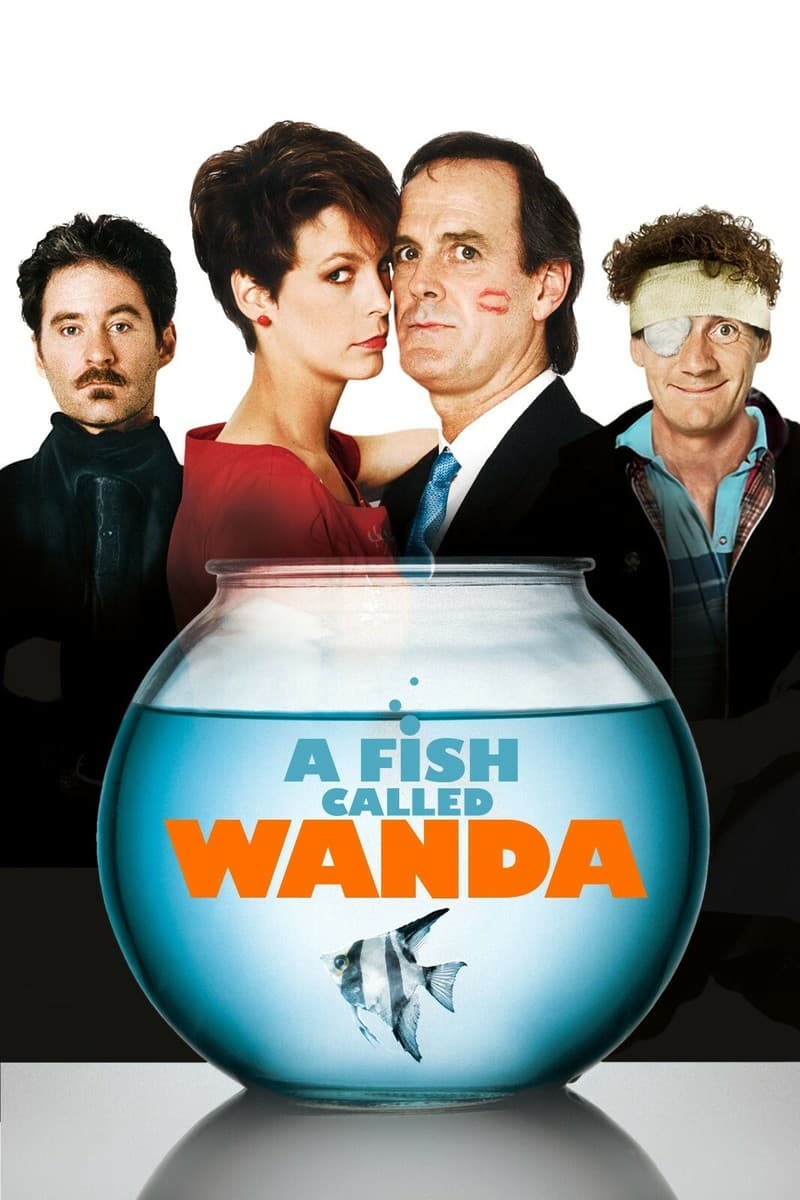
A Fish Called Wanda
Manners, mendacity and a key hidden in fish food — a very English heist with teeth.
The setup
A Fish Called Wanda is the kind of caper where the jewellery is only the excuse for a game of one‑upmanship. Directed by Charles Crichton and written with John Cleese, it pairs farce with a persistent streak of nastiness — and gives us Archie Leach, a barrister whose good manners make him unexpectedly combustible.
THE MOVIE
Archie Leach is still the reason this movie works
There’s a specific pleasure in watching properly respectable people fall apart. A Fish Called Wanda gives us that pleasure as its gang of thieves argues, lies and double‑crosses their way through a jewellery heist. The caper is the surface sport; the real fun is watching civility get disassembled.
What propels the chaos is a neat machine of tricks: hidden loot, false names, police investigations and betrayals that keep flipping the power between the conspirators. It’s a heist built as a comedy of manners and misdirection, not a how‑to for criminals.
And at the centre sits Archie Leach — John Cleese’s barrister whose propriety and social pretensions make him oddly vulnerable and oddly watchable. Crichton’s direction and Cleese’s hand on the script make Archie less a background straight man and more the film’s magnet: his fragile decorum is what everyone else bangs into and, crucially, what the plot keeps exploiting.
THE SETUP
The idea that sets A Fish Called Wanda in motion
If you need a tidy one‑liner: a gang steals jewels in London and then proceeds to stab each other in the back to keep them. That’s the engine. It gives the writers licence to shift loyalties, fake identities and plant surprises where you least expect them.
The film keeps returning to small, practical details that ratchet the plot forward. A key hidden in fish food is a deliciously deadpan touch — a character’s affection for animals becomes literal leverage in the crime’s mechanics. Those clever little connect‑the‑dots moments are what make the farce feel purposely constructed rather than random.
Courtroom set pieces and legal procedure also feature prominently: Archie is a barrister, the Old Bailey plays a part, and those formal institutions are treated as another arena for the gang’s chaos. The result is a caper that alternates between street‑level skulduggery and the stuffy world of respectability.
All of it is stitched together by a script from John Cleese with story contributions from Charles Crichton, so the tone mixes pure farce with a wry awareness of class and manners.
THE CHARACTER
Why Archie Leach matters
Archie Leach isn’t the mastermind of the robbery. He’s the respectable lawyer who finds himself dragged into criminal muddle — and that’s exactly why he matters. His propriety makes him an unlikely centre of gravity for a film built on duplicity.
The comedy often depends on the collision between Archie’s public self — the barrister in wig and gown — and the private humiliation he endures as the plot peels him open. It’s the contrast between how he must present himself and how he actually behaves under pressure that fuels many of the film’s funniest and most awkward moments.
Because the story repeatedly tests that veneer of respectability, Archie functions as more than comic relief; he’s the baseline against which other characters measure their deceit. That keeps the film from being merely a catalogue of scams: it becomes a social game, with Archie’s dignity as the prize everyone tries to seize.
THE PERFORMANCE
Why Jamie Lee Curtis's performance matters
Jamie Lee Curtis’s Wanda is central to the movie’s push and pull. Contemporary reviews singled out Kevin Kline and Jamie Lee Curtis as standout presences in the ensemble, and that attention tells you something: Wanda’s role isn’t just decorative, she’s a plot motor.
As written and performed, the character sits in that uneasy space between seduction and manipulation; she’s the femme fatale with a smile that’s doing work. That placement in the story gives her scenes a charge that the rest of the ensemble can play off and escalate.
Put simply: if the film needs someone to complicate loyalties and sharpen tensions, Wanda is the obvious choice — and reviewers at the time noticed that she delivers the necessary push.
UNDER THE SURFACE
A Fish Called Wanda has more on its mind than the plot suggests
On paper it’s a heist. Underneath, it’s a film obsessed with treachery. The constant betrayals among the thieves aren’t just plot twists; they’re the film’s atmosphere. Everyone is sizing up everyone else for an opportunity to cheat.
Sexual manipulation is a deliberate device here. The femme fatale element turns intimacy into a weapon — romantic manoeuvres become a route to advantage. That dynamic gives the comedy a darker edge than a straightforward caper would have.
There’s also an Anglo‑American contrast at play: the film’s cast and production straddle both sides of the Atlantic, and the script frequently treats differences in manners and expectations as a source of humour. Finally, the film keeps returning to respectability versus private vice: public decorum is repeatedly shown to be a paper shield against much messier private behaviour.
THE FILMMAKING
How A Fish Called Wanda was put together
There’s a solid team behind the look and rhythm. Roger Murray‑Leach is credited as production designer; Alan Hume handled cinematography and John Jympson the editing. Those credits point to a production built on professional craft rather than flashy gimmicks.
That craft is sensible for a film that mixes farce with courtroom scenes and location work: the production design and editing need to keep pace with rapid tonal changes while leaving space for the ensemble to spark off one another.
The pedigree behind the camera helped the film gather industry recognition. At the BAFTAs it picked up major acting prizes and a clutch of nominations, including Best Film and Best Direction, which underlines that the filmmaking was taken seriously as well as enjoyed by audiences.
PRACTICAL EFFECTS
The effects work that gives A Fish Called Wanda its physical personality
The film favours practical, physical elements to keep things feeling grounded. A stunt coordinator was credited, which matters in scenes that need a genuine sense of physical jeopardy rather than safety‑first suggestion.
Animals and fish also appear on screen; the production credited animal and fish suppliers for live creatures used on set. Small touches like an aquarium (and a key hidden among fish food) give the film concrete, tactile moments that the script can exploit for laughs and plot points.
Those practical choices — stunts, live animals — help the movie stay tactile. When the film’s jokes hinge on a prop or a bodily mishap, you get the sense the filmmakers trusted real physicality to sell the gag.
PURE 80S
A Fish Called Wanda could not belong to any other decade
This is very much a late‑80s production. Principal photography began in July 1987 at Twickenham Studios and involved location shooting in London and Oxford before the film opened in 1988. That timeline places it in a period when British and American filmmaking partnerships were commonplace, which the film itself reflects.
The cross‑Atlantic casting and production — a British director and a mixed UK/US cast — give the movie a particular 1980s flavour of collaboration. It’s a film that feels comfortable switching between British stuffiness and American bluntness, and that cultural back‑and‑forth is part of its energetic personality.
Because it mixes institutional comedy (courtrooms, barristers) with broad farce, it lands neatly in the decade’s appetite for comedies that could be both clever and very, very rude.
THE LEGACY
Why A Fish Called Wanda still matters
The film’s afterlife rests partly on recognition from its peers: Kevin Kline won the Academy Award for Best Supporting Actor, and the picture received Oscar nominations for Best Director and Best Original Screenplay. That kind of awards attention cements its standing beyond mere popular success.
In the U.K. it also did very well at the BAFTAs, picking up major acting prizes and multiple nominations. Those industry nods suggest the movie was both a crowd‑pleaser and something the establishment could applaud — an awkward but useful double achievement for a black comedy.
Commercially the film succeeded on both sides of the Atlantic, which helped it reach an audience that remembered it. And the fact the core cast reunited in 1997 for another project shows the movie created a pragmatic template for ensemble mischief even if that project wasn’t a direct follow‑up.
THE VERDICT
Does A Fish Called Wanda still hold up?
Yes. The film's pleasures are specific ones: a tight comic premise about a jewellery heist, a series of betrayals and a handful of mechanical delights — like a key in fish food — that keep the engine wheezing in fine style. Those plot mechanics remain enjoyable because they’re concrete and clever rather than vague or self‑indulgent.
Archie Leach’s role as a barrister with fragile propriety gives the movie a human hinge. Watching his respectability buckle is still a satisfying beat, precisely because the story keeps pulling at that seam and the courtroom set pieces give those collisions an arena to play out in.
Contemporary notice singled out both Kevin Kline and Jamie Lee Curtis among the ensemble, and Kline’s subsequent Academy Award win underlines that the performances were doing substantial work for the film’s success. That combination of smart plotting, memorable characters and recognised performances means it’s more than a period curiosity.
If you enjoy heist comedies where manners are as dangerous as weapons, this one remains worth a watch. The diamonds may be the MacGuffin, but the real haul is the way the film delights in nicking everyone’s dignity — and laughing as it counts the tally.
Share this movie
Keep watching
More movies from the 80s
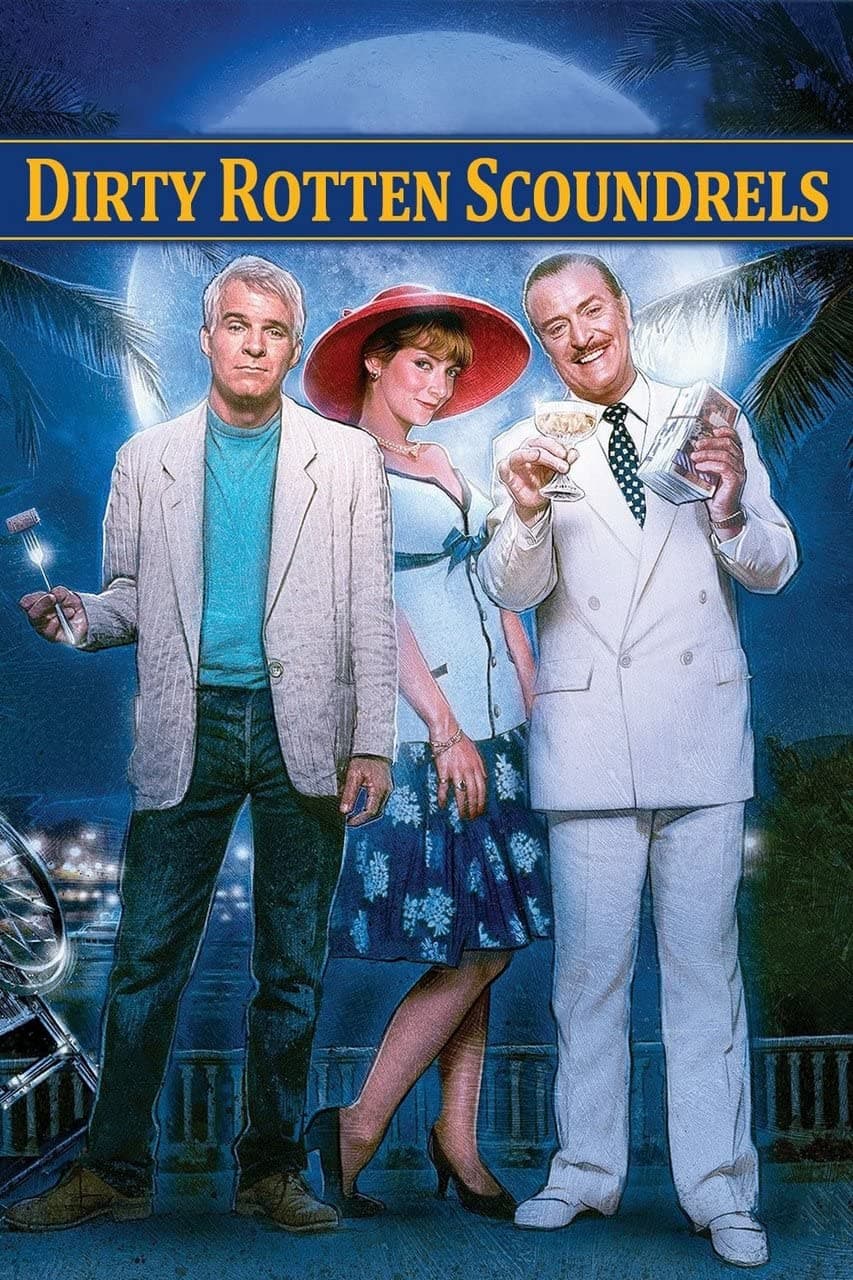
1988
Dirty Rotten Scoundrels
Dirty Rotten Scoundrels: greed and consumerism, and why this 1988 movie still matters.
Read our take →
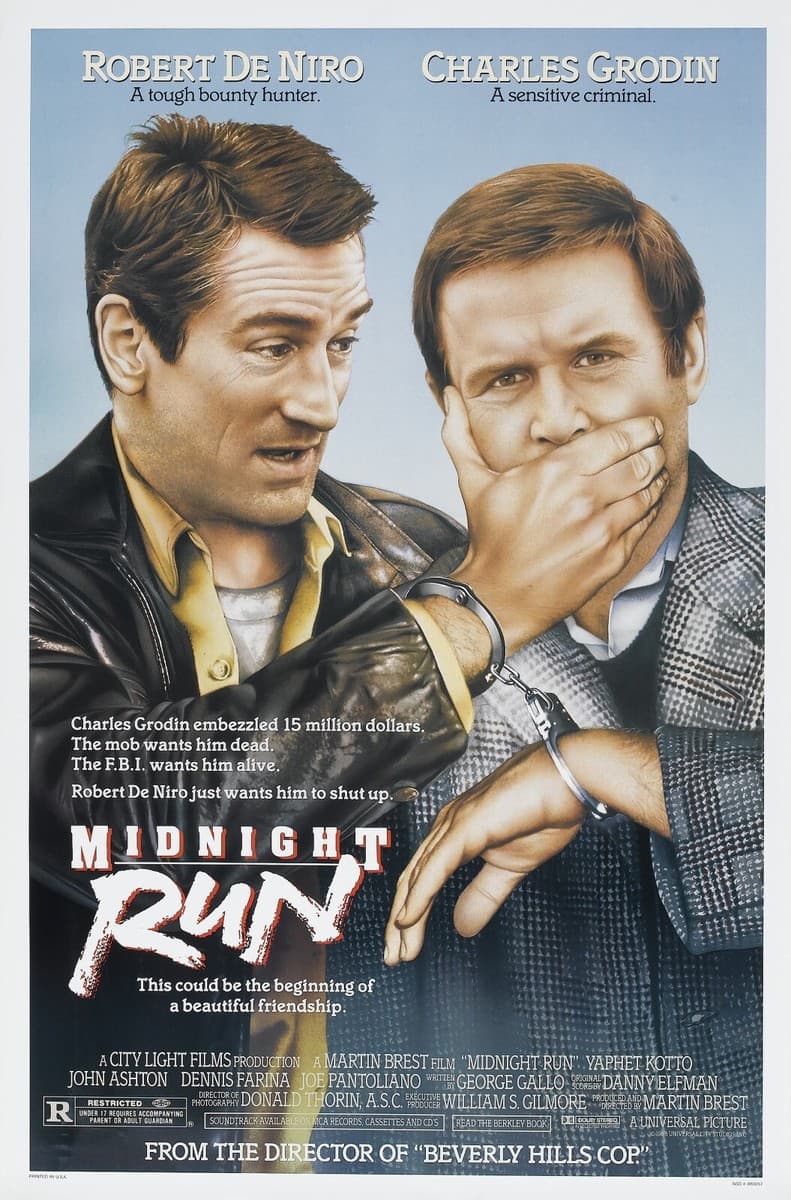
1988
Midnight Run
A cross-country manhunt that’s really about two very different men learning how to care — and how to argue for money.
Read our take →
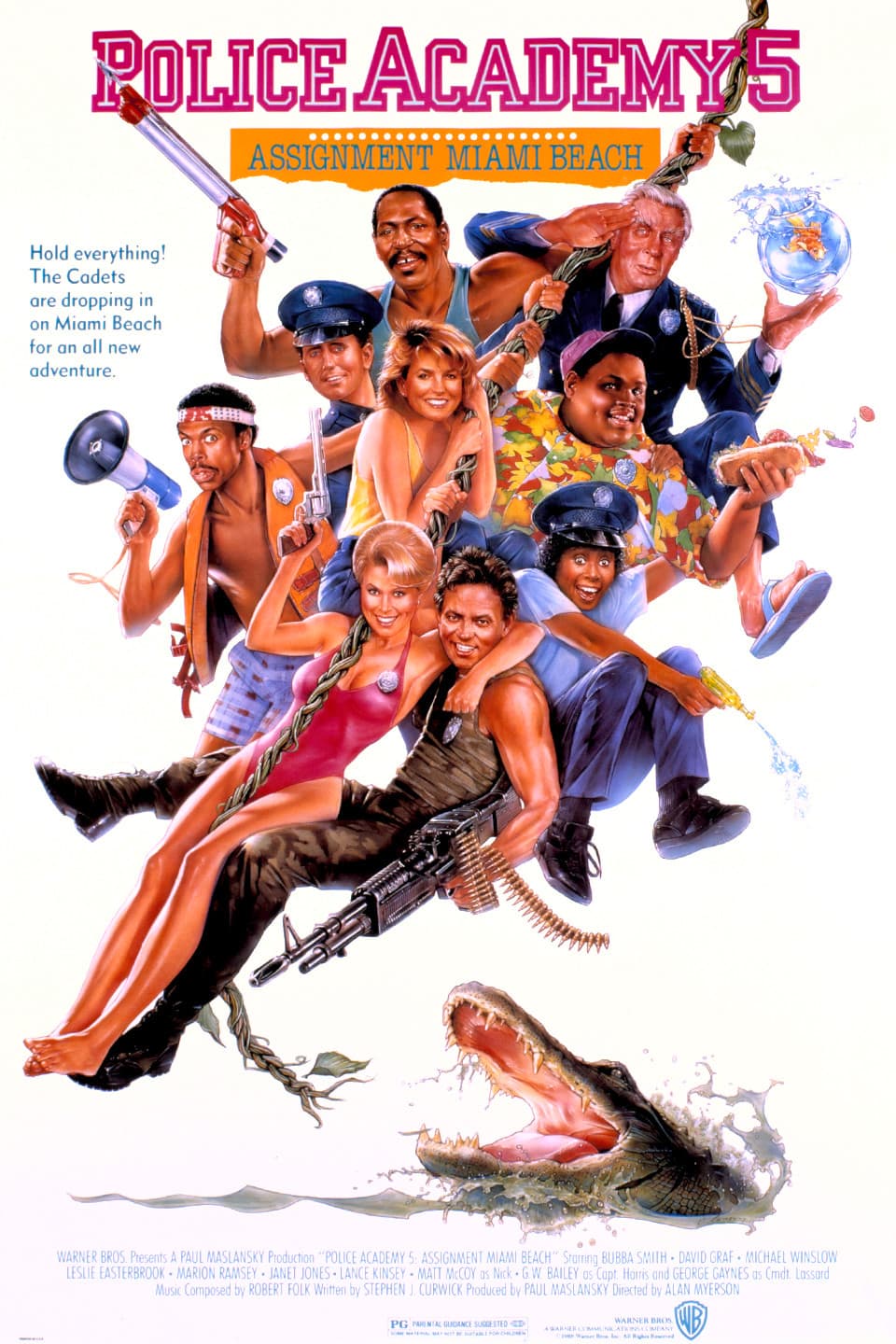
1988
Police Academy 5: Assignment Miami Beach
Police Academy 5: Assignment Miami Beach: authority and mortality and lifespan, and why this 1988 movie still matters.
Read our take →