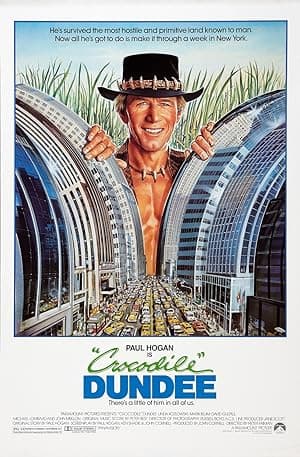
Crocodile Dundee
A bushman's grin in Manhattan — watch Crocodile Dundee and you remember why that mismatch still makes you laugh.
The setup
A New York reporter goes to the Australian Outback to meet a local legend, then thinks it’s a brilliant idea to bring him back to the city. What follows is not a plot you haven’t seen before, but a personality: Michael J. 'Crocodile' Dundee. Directed by Peter Faiman and fronted by Paul Hogan, the film trades on culture‑clash gags and a romance between opposites — and more often than not, Dundee is the reason the whole thing lands.
THE MOVIE
Michael J. 'Crocodile' Dundee (Mick Dundee) is still the reason this movie works
People still talk about Crocodile Dundee because it rests on a simple, irresistible mismatch: a New York reporter goes out to the Outback to meet a local legend, and then brings him back to the city. That decision — the journo as tour guide and showman — sets the whole fish‑out‑of‑water joke in motion.
At the centre is Michael J. 'Crocodile' Dundee, a self‑reliant bushman whose practical know‑how and laconic humour stand in stark contrast to urban norms. The movie’s energy comes less from plot turns than from watching that personality collide with Manhattan manners.
Peter Faiman directs a compact, 98‑minute film that spends its time staging those collisions and letting Mick’s strange, plainspoken charm do the work. Linda Kozlowski plays the reporter who lures him into that experiment; Paul Hogan is the man she brings back.
THE SETUP
The idea that sets Crocodile Dundee in motion
The engine is straightforward: a reporter travels to the Outback to interview a local legend, then brings him to New York for a story. That movement — from one world to another — is the film’s organising idea.
Once Mick is in the city the central conflict is less about grand stakes and more about mismatch: his outback skills and worldview keep tripping over urban expectations, and those clashes are what the film keeps returning to.
Structurally the movie works as two halves. You get sequences that establish Dundee’s life in the Outback, then parallel episodes in New York where recurring set pieces test how those bush skills translate — or fail to translate — in the city.
Sprinkle in a growing romantic thread and you have a tidy mechanism: the plot gives you reasons to put Mick in awkward places, and the humour and warmth come from how he negotiates them.
THE CHARACTER
Why Michael J. 'Crocodile' Dundee (Mick Dundee) matters
Mick Dundee isn’t memorable because he’s mysterious; he’s memorable because he’s consistent. The film gives him a clear kit‑bag — survival skills, a laconic way with a line, and a reputation as a local legend — and then places him where those traits are most likely to look out of place.
The romantic and comic friction in the movie depends on the gap between Darren’s world and Sue’s: he’s a bushman, she’s a reporter with a city life and career expectations. Those two worlds organise the relationships around them and keep the story moving.
A useful detail: Paul Hogan wrote the original story and plays Mick, so the character feels like a persona the film is built around rather than an incidental lead. That forward focus is why the character sticks in the mind.
The movie also planted a seed big enough to grow a franchise — it returned for sequels — which tells you the character had legs beyond a single joke or set piece.
THE PERFORMANCE
Why Paul Hogan's performance matters
It’s hard to discuss the performance without noting the award recognition: Paul Hogan won the Golden Globe for Best Actor in the musical/comedy category for his work in the film. That’s a tidy piece of evidence that the performance landed with audiences and industry voters at the time.
Beyond the trophy, the film’s structure — and Hogan’s authorship on the screenplay — makes his performance feel central rather than decorative. The movie repeatedly asks him to be the weather vane for every tone shift, from goofy to tender, and that matters.
So whether you judge it as star turn or simply as the movie’s crucial engine, Hogan’s presence is what the film built itself around.
UNDER THE SURFACE
Crocodile Dundee has more on its mind than the plot suggests
On the surface it’s a fish‑out‑of‑water comedy: rural Australia squaring off against urban America. But the film keeps nudging at how media and spectacle shape those encounters — the reporter’s decision to bring Mick to New York is as much about a story as it is about turning someone into a public curiosity.
There’s also a romance built on opposites. The relationship between Mick and Sue plays on the push and pull between a straightforward, practical life and a more complex city career. That contrast gives the comedy a soft centre.
Underneath sits a national image: the movie leans on a bushman archetype, an Australian idea of a rough‑round‑the‑edges hero who carries a country’s mythologies into the city.
So while it’s easy to enjoy the gags, the film quietly layers them with questions about identity, spectacle and what travel — literal or cultural — actually does to a person.
THE FILMMAKING
How Crocodile Dundee was put together
On the technical side, the film credits Russell Boyd as cinematographer and David Stiven as editor. Those are the names behind how the movie stitches together two very different locations and paces its comedy.
The choice to shoot on location — both in the Outback and in New York City — is baked into the storytelling. Editing has to keep a clear rhythm so the jokes land across two geographies, and the cinematography has to sell both worlds without letting either overwhelm the other.
Peter Faiman’s direction leans practical: set up the situation, let the personalities collide, and keep scenes brisk. The filmmaking choices favour clarity, which is exactly what a fish‑out‑of‑water romantic comedy needs to work.
PRACTICAL EFFECTS
The effects work that gives Crocodile Dundee its physical personality
The production used real large animals in some sequences, which gives certain moments a raw physical certainty you can feel on screen.
One reported detail is that a water buffalo used in a scene was sedated to ensure compliance during filming. It’s an uneasy footnote now, but it explains why some of those animal interactions have an unvarnished, non‑studio quality.
That tangible contact with real animals helps the Outback sequences read as lived‑in and immediate, which in turn makes the city‑versus‑country contrast sharper.
PURE 80S
Crocodile Dundee could not belong to any other decade
Released in 1986, Crocodile Dundee arrived at a moment when Australian films were starting to travel further afield. Its U.S. release through a major distributor is a clear example of mid‑80s cross‑Pacific interest in national comedies.
The movie fits neatly into a broader trend of the decade: culture‑clash entertainments that packaged local colour for global audiences. Crocodile Dundee offered an exportable Australian character — the bushman — wrapped in a very accessible romantic comedy format.
Its commercial success that year made it one of Australian cinema’s biggest international hits of 1986, and the film’s industry recognition — awards and nominations — underlined how it bridged local storytelling and global reach.
Put simply: it’s both of its time and of a particular 1980s moment when national character pieces could become worldwide phenomena.
WATCHING IT NOW
What has aged — and what hasn't
On modern viewing the film’s strengths — its character focus and breezy set pieces — remain watchable. The structure still delivers tidy payoffs, and the fish‑out‑of‑water premise keeps the momentum tight.
But the movie’s depiction of Australian identity is simplified, and critics and academics have pointed out the limited screen presence and agency of Aboriginal characters as elements that attract modern critique.
Those criticisms don’t erase the film’s pleasures, but they do mean viewers should expect a product of its era: eager to export a national myth, less careful about the complexities that myth sidelines.
It’s also worth remembering the movie didn’t burn itself out in a single outing — it returned for a sequel in 1988, which suggests both its popularity and the filmmakers’ appetite to keep working with the same ideas.
THE LEGACY
Why Crocodile Dundee still matters
Part of the film’s afterlife is institutional: the screenplay was nominated for the Academy Award for Best Original Screenplay, and Paul Hogan’s profile rose to international visibility. Those honours mark it as more than a one‑off curiosity.
Commercially it was a major hit in 1986 and helped establish Paul Hogan as an international film star — the kind of success that matters to national cinema because it proves a local story can travel.
The movie also created a franchise, with two sequels continuing the lead characters’ story, which keeps the original alive in memory and on the market.
So its legacy is a mix of industry recognition, box‑office reach, and a character people kept returning to — Mick Dundee remains the shorthand for the film’s particular brand of Australia‑meets‑America storytelling.
THE VERDICT
Does Crocodile Dundee still hold up?
Yes — with qualifications. If you’re watching for compact entertainment built around a single oddball character and a snappy fish‑out‑of‑water hook, Crocodile Dundee still delivers. The inciting gambit — a journalist brings a bush legend to New York — sets up repeated city‑versus‑country encounters that the screenplay keeps returning to, and those recurring set pieces remain the film’s selling point.
Paul Hogan’s Mick is the film’s compass: the character is presented as a self‑reliant bushman whose practical skills and dry humour make the culture clashes readable and frequently funny. Sue Charlton’s professional impulse to get a story provides believable motivation for the mismatch, while supporting figures like Neville Bell and Walter Reilly flesh out the Outback and newspaper milieus.
Where the film sits awkwardly for modern viewers is in its simplified depiction of identity and the way Indigenous characters are used. Those elements are part of the package and they deserve attention from contemporary audiences.
So go back to Crocodile Dundee if you want a brisk, character‑driven fish‑out‑of‑water romcom from 1986. Expect to laugh at the premise, to enjoy the central personality, and to notice where the movie carries its era on its sleeve.
Share this movie
Keep watching
More movies from the 80s
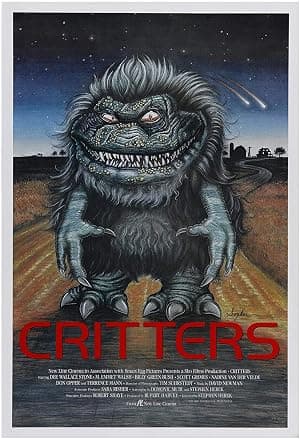
1986
Critters
Critters: freedom and family, and why this 1986 movie still matters.
Read our take →
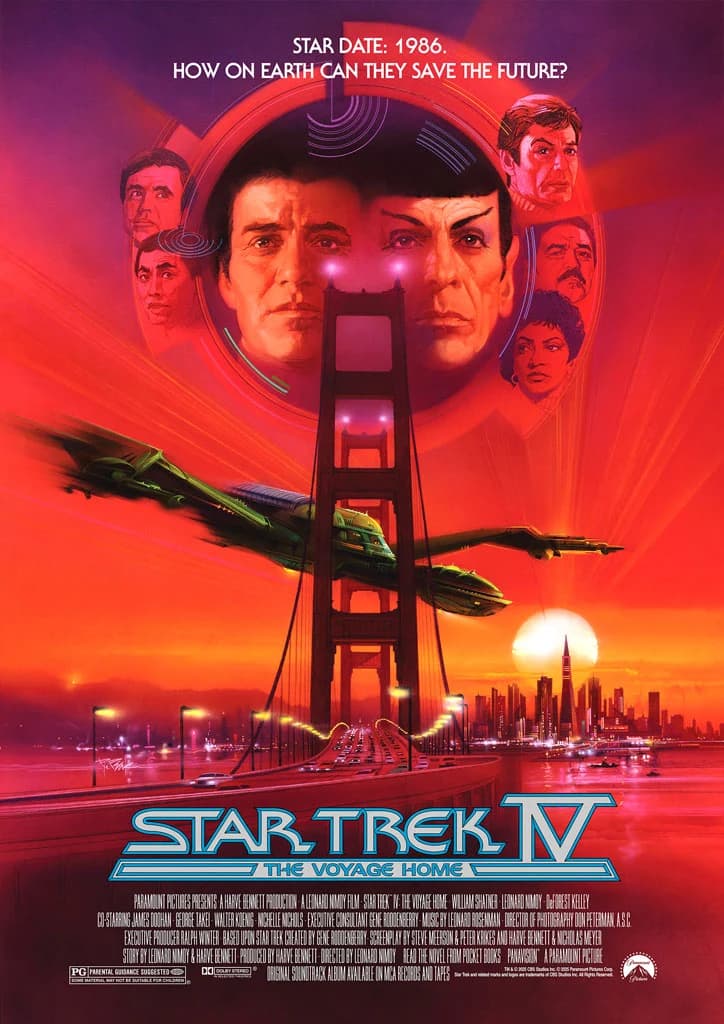
1986
Star Trek IV: The Voyage Home
Humpback whales, a stranded starship crew and Admiral Kirk’s habit of ignoring the rulebook — in other words, proper Star Trek business.
Read our take →
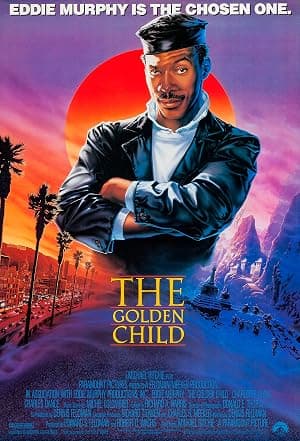
1986
The Golden Child
The Golden Child: parents protecting their children and mortality, and why this 1986 movie still matters.
Read our take →