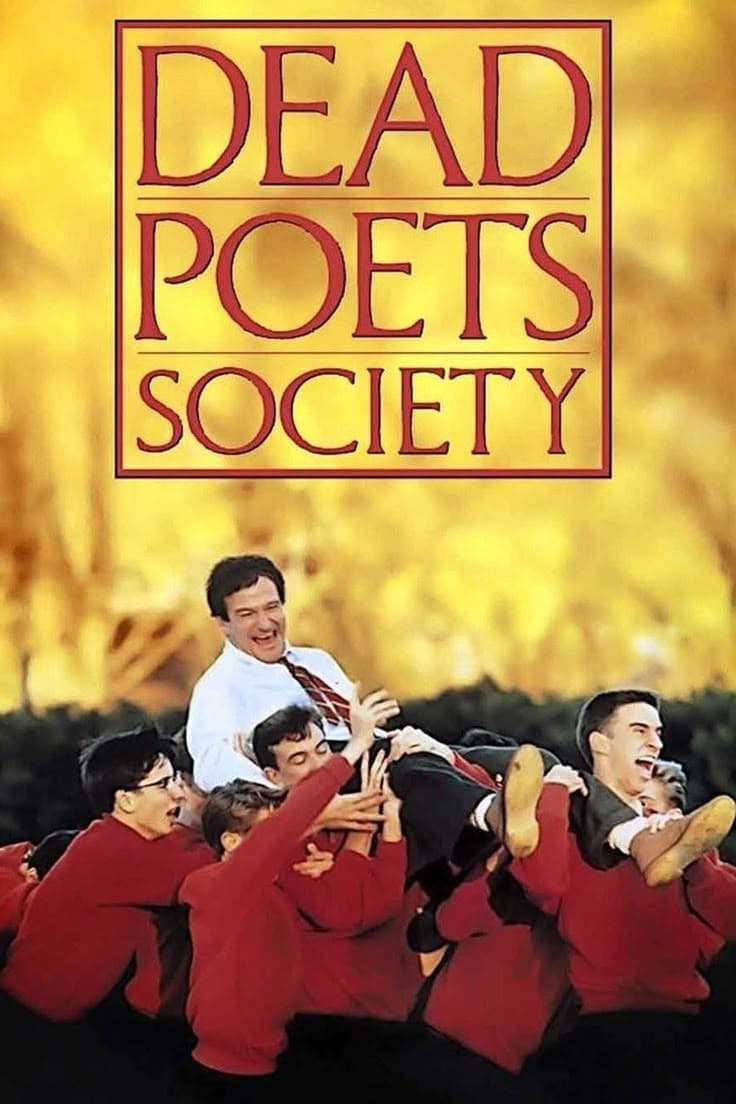
Dead Poets Society
A teacher who insists you stand up to be seen — and a classroom that still rattles our idea of growing up.
The setup
There’s a particular moment in Dead Poets Society that lives in people’s heads: a teacher encouraging boys to think differently, and to live deliberately. Peter Weir’s film homes in on that dare — not as a slogan but as a series of small, stubborn shocks to a polite, buttoned-up world. Come for the speeches; stay for the private fights the film quietly stages.
THE MOVIE
John Keating is still the reason this movie works
If you can picture the image — a teacher doing something unexpected to prove a point — you already know why people still talk about Dead Poets Society. The film stakes its drama on John Keating, a new English teacher at Welton Academy, and the simple, furious idea that education should prod a student into being a person, not a pattern.
Set on the fall term of 1959 at an elite all-male prep school, the story puts an outsider inside a very well-ordered machine. Peter Weir directed the film in 1989, and Robin Williams plays Keating, the contrarian spark who makes boys ask awkward questions of themselves and the institution that raised them.
That push — individuality against institutional conformity, parents trying to direct lives versus teenagers trying to claim them, and literature used as a tool to pry open a closed world — is the movie’s engine. It’s a coming-of-age drama that keeps returning to the same dare: will these boys remain measured and correct, or will they risk being messy and alive?
THE SETUP
The idea that sets Dead Poets Society in motion
At its simplest, the film plants a teacher intent on shaking his pupils out of obedience and into curiosity. Keating’s aim is clarity: to make boys think for themselves and, in the famous shorthand, ‘seize the day.’ That single intention pushes the plot without needing complicated machinery.
The consequences come as soon as thinking starts to have stakes. One pupil, Neil Perry, finds a new passion in acting — a private discovery that puts him at odds with his father’s ambitions for him. That split between what a boy wants and what a parent expects is the story’s most combustible fault-line.
Tension escalates from the personal to the institutional. After a disciplinary inquiry and a tragic event, the school administration looks to hold someone accountable, and Keating’s unorthodox influence becomes evidence rather than a pedagogical choice.
The setup works because the stakes are intimate: it’s not a battle for a nation, but a fight over what a single life should look like. The boarding‑school setting simply sharpens that contrast between youth and the authority that would mould them.
THE CHARACTER
Why John Keating matters
Keating isn’t merely the inspirational teacher in a movie beat list; he’s written and staged as a deliberate counterpoint to the school around him. His priority is to crack the boys’ learned habits and get them speaking their own minds.
Robin Williams is cast in the role, and that casting is central: Keating is an agent of disruption rather than a textbook mentor. The character’s contrarian nature — encouraging individual expression where conformity is expected — gives the film its moral drama.
Keating’s importance is structural. He is the one adult whose behaviour forces choices: not by dictating rebellion, but by showing different ways to read the world and to use language to alter how you act within it.
Finally, Keating matters because he makes the film about people, not ideas. Peter Weir’s interest in character-driven period settings helps keep the focus on how a man’s voice can reroute a classroom, and then a handful of lives.
THE PERFORMANCE
Why Robin Williams's performance matters
Contemporary critics noticed Williams in this part. His work didn’t go under the radar; reviewers singled it out as a performance that carried the film’s more lyrical and confrontational passages.
One prominent critic from The New York Times praised Williams’s contribution specifically, treating it as a major element in why the film registers as more than a tidy inspirational drama.
That critical attention is important because Keating could easily have been a cartoonish mentor figure. The reaction at the time suggests the role, as played, had nuance — enough to make audiences accept the risks the character asks of his students.
Put simply: the film depends on people believing in Keating. Contemporary response showed many did.
UNDER THE SURFACE
Dead Poets Society has more on its mind than the plot suggests
On the surface it’s about a teacher and his pupils. Underneath, the film keeps returning to a handful of moral tangles that feel both specific and simple: individuality pitted against schoolroom conformity; the tug-of-war between parent and adolescent over life choices.
Education is presented not as a filing system of facts but as an instrument that can transform how you feel about language, courage and risk. Literature in the film becomes a way to practise being alive — a rehearsal for saying something true in front of other people.
Loyalty, betrayal and consequences thread through those ideas. When boys choose to speak out, they expose themselves to shame, punishment and, sometimes, irreversible outcomes. The movie doesn’t treat rebellion as cost-free; it insists choices produce costs.
Because these themes are grounded in relationships rather than slogans, the film asks its audience to weigh what courage really costs and whether conformity is protection or imprisonment.
PURE 80S
Dead Poets Society could not belong to any other decade
Produced and released in 1989, the film sits at the end of a decade when mainstream American cinema was surprisingly willing to carry adult, character-led coming‑of‑age stories to a broad audience.
That positioning mattered. Dead Poets Society is the sort of prestige late‑80s drama that studios like Touchstone — Disney’s adult label — were prepared to back: grown-up themes, dramatic performances and a clear angle for awards-season attention.
The film’s timing helped it find viewers who expected more than a teen romp: they wanted weight and, crucially, performances and ideas that could be argued about afterwards.
Seen this way, its 1989 identity explains a lot: not just how it was financed, but why it presents adolescence as a subject worthy of adult attention rather than as mere youth entertainment.
WATCHING IT NOW
What has aged — and what hasn't
What endures most clearly is the basic human friction at the story’s heart: a group of adolescents arguing with authority. That boarding‑school setup still supplies the kind of concentrated pressure cooker that makes small choices feel enormous.
As a teen drama, many of the emotional beats — first risks, first rebellions, first betrayals — remain recognisable. The film trusts those beats to do the work; it doesn’t hide behind trendiness or spectacle.
Peter Weir’s interest in intimate, period‑set character drama gives the movie a tone that hasn’t dated into gimmickry. The director’s consistent focus on people at moments of decision helps the film feel deliberate rather than merely decorative.
Put bluntly: the core problem the film poses — how to be yourself when every authority in your life wants you to comply — is still a persuasive, watchable argument.
THE LEGACY
Why Dead Poets Society still matters
Tom Schulman’s screenplay received major recognition: he won the Academy Award for Best Original Screenplay, and the film picked up nominations for Best Picture, Best Director and Best Actor. Those honours helped keep the film in cultural conversation.
The movie also did well with British awards bodies, winning the BAFTA for Best Film and receiving BAFTA recognition for Maurice Jarre’s score, which further cemented its reputation as a serious drama rather than a fleeting teen picture.
Beyond trophies, the story has had afterlives: the screenplay was novelised, and Schulman adapted the material for the stage — an off‑Broadway production in 2016 even featured Jason Sudeikis in the Keating role.
Finally, the film continues to be the subject of critical discussion and anniversary pieces; it’s often summoned in conversations about films that explore the inspirational‑teacher idea and the costs that can come with it.
THE VERDICT
Does Dead Poets Society still hold up?
Yes — but with a rider. The film’s central engine is simple and strong: a teacher (Robin Williams) who deliberately provokes his students into self-expression; boys who form a clandestine club to read and feel; and the collision of those experiments with parental and institutional expectations. That combination still makes for tense, humane drama.
There are moments of theatricality — a few speeches and classroom gambits that wear their big ideas plainly — but the film asks serious questions about loyalty, choice and consequence. When one student discovers an art he loves and runs into his father’s plans, the conflict stops being abstract and becomes heartbreakingly practical.
The narrative’s pressure points — classroom exercises, secret meetings, parental demands and the institutional inquiry that follows a tragedy — are what make the movie honest about risk. It doesn’t pretend rebellion is neat; it shows how courageous acts can be costly, and how institutions often prefer tidy answers.
So should you watch it now? If you want a coming‑of‑age film that treats teenage decisions as consequential, and a story that trusts its characters to carry moral weight, this film still rewards attention. It’s not sentimental about its own rhetoric: it offers the dare, and then makes you live with the consequences.
Share this movie
Keep watching
More movies from the 80s
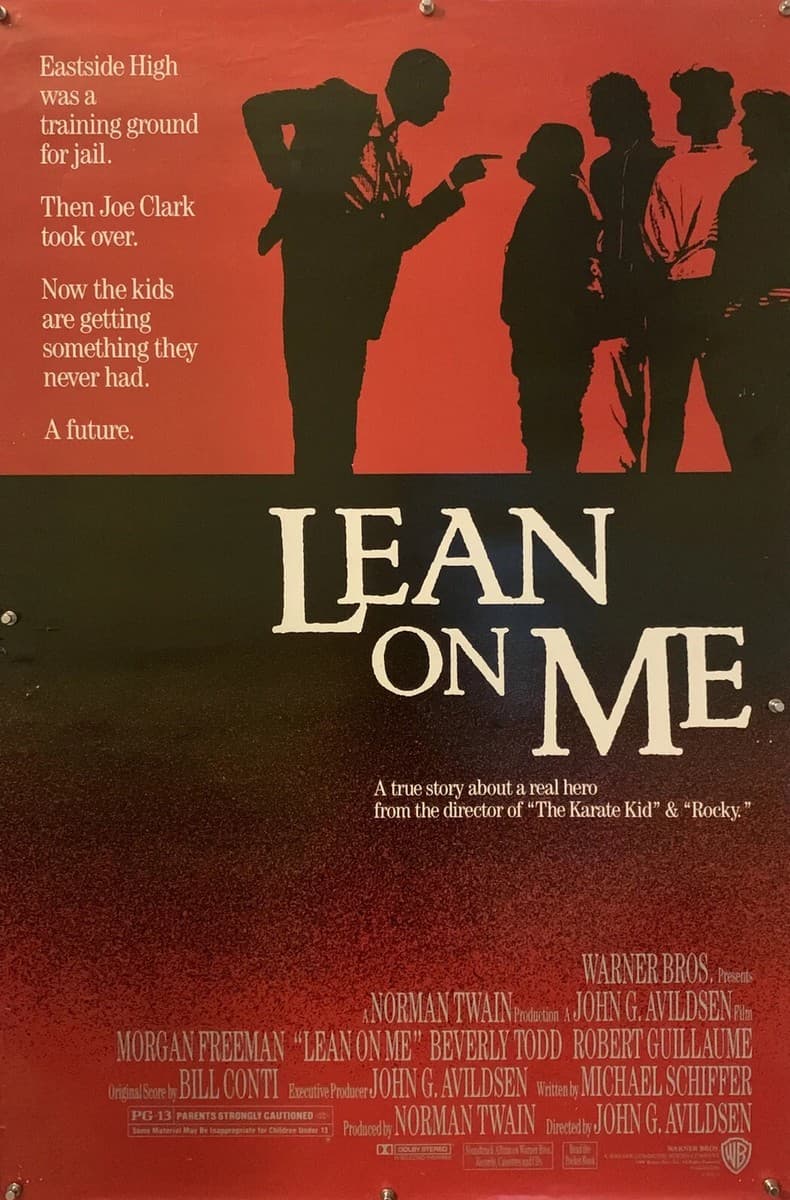
1989
Lean on Me
Lean on Me: family and the safety of home, and why this 1989 movie still matters.
Read our take →
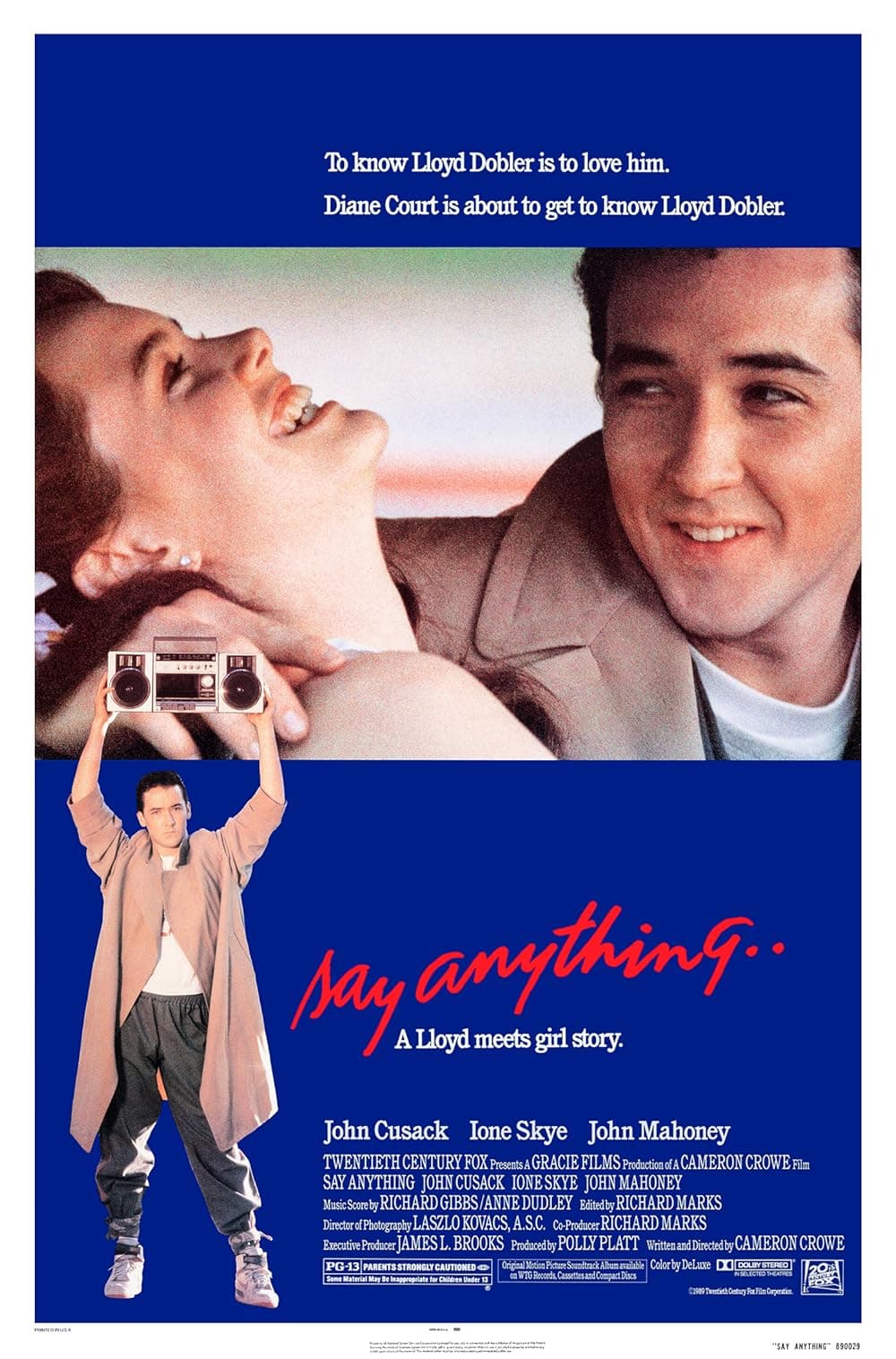
1989
Say Anything...
Lloyd Dobler: underachieving, hopelessly sincere and still the film's heartbeat.
Read our take →
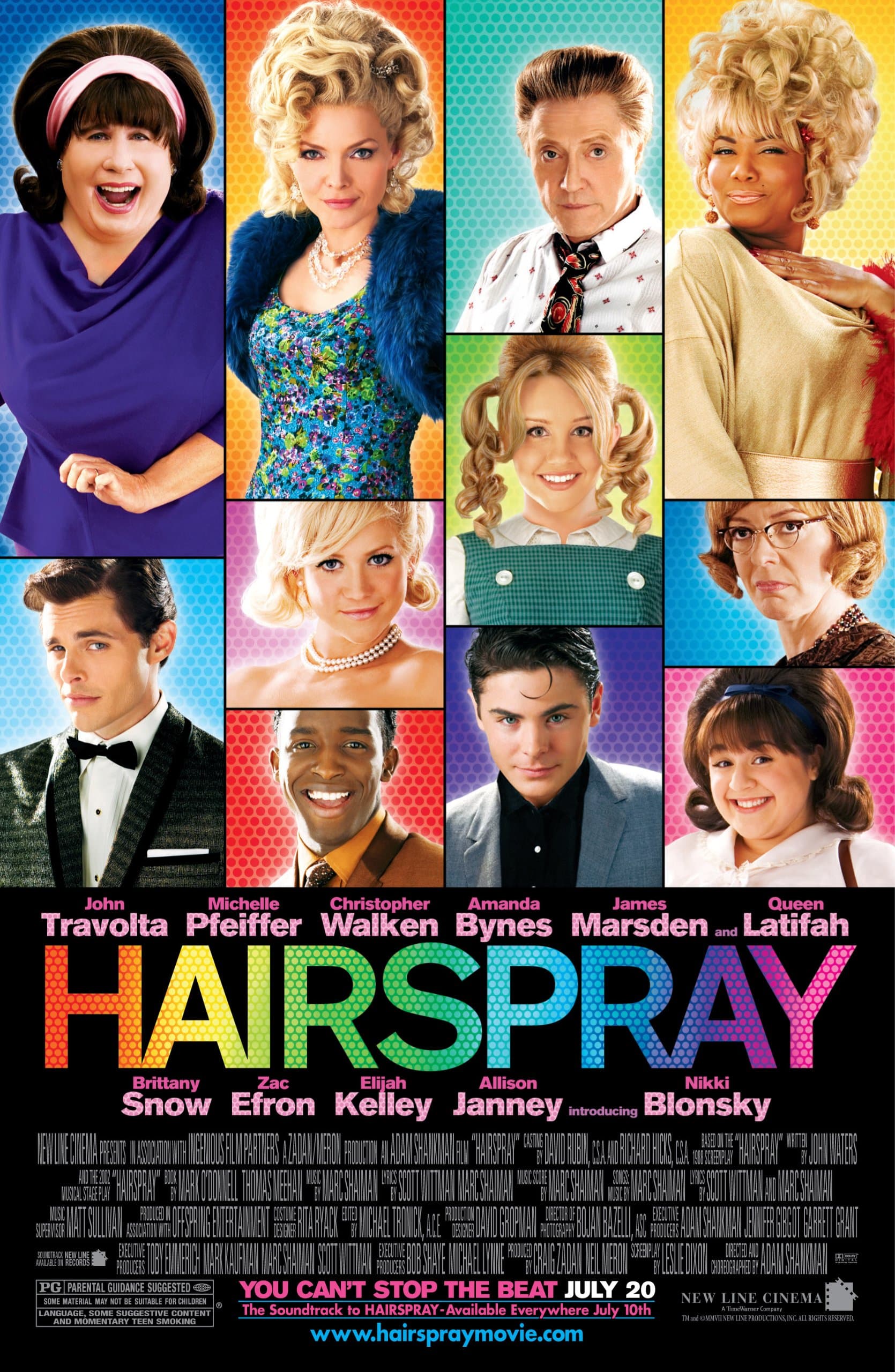
1988
Hairspray
Hairspray: family and parents protecting their children, and why this 1988 movie still matters.
Read our take →