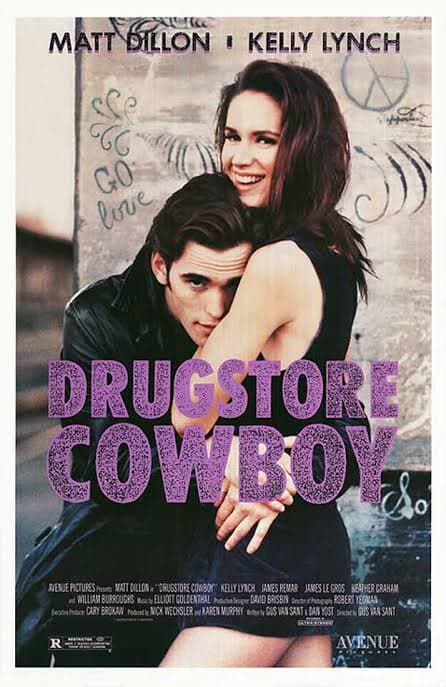
The setup
Drugstore Cowboy doesn’t sell itself as a morality play. It offers Bob Hughes and his band of lifers—professional pharmacy thieves who organise their day around addiction—and asks you to watch what that life looks like when routines and risks begin to collide. Gus Van Sant’s late‑80s film is shorthand for a certain restless, darkly comic kind of American indie: small, sharp and strangely humane.
THE MOVIE
Bob (Bob Hughes) is still the reason this movie works
The first thing to notice: Drugstore Cowboy is less about a single big crime and more about the rhythm of theft as a way of life. Bob Hughes and his small circle of friends move across the Pacific Northwest taking pharmaceuticals from pharmacies, hospitals and clinics; the robberies are practical chores, not capers with a punchline.
That steady rhythm—episodic jobs, short domestic respites, voiceover that keeps us inside Bob’s head—lets Gus Van Sant set ordinary banality against the paranoia and logistics of addiction. The film is set in 1971, which gives it a particular stage, but the real engine is the day‑to‑day organisation of desire and need.
Matt Dillon’s Bob is the pragmatic, charismatic centre. He isn’t a mythic outlaw; he’s a planner whose decisions bind the group and keep the schemes running. Follow him and you follow the movie.
THE SETUP
The idea that sets Drugstore Cowboy in motion
There’s no single mystery to solve. Instead, the film tracks a pattern: a job, a small high, a fallout, then another job. That structure turns petty crime into the plot’s steady pulse—an economical way to show how addiction organises everything.
Van Sant adapted the screenplay from James Fogle’s autobiographical novel, but the writers deliberately stripped back some of the book’s rawer edges and steered the film toward dark comedy. The result is a story that keeps its feet in bleak reality while allowing moments of wry distance.
Because the film deliberately avoids one neat rising arc, tension comes from escalation rather than a mystery’s reveal. Each theft is routine until it isn’t, and the cumulative effect is what pushes characters into choices about quitting or doubling down.
Visually and tonally the film keeps things tight: the production team chose a limited palette and a clipped series‑of‑episodes editing pattern so the episodic structure feels purposeful rather than episodic for its own sake.
THE CHARACTER
Why Bob (Bob Hughes) matters
Bob isn’t dramatic in the way movie leads often are. He’s pragmatic: the one who figures out how to keep the crew fed, how to time a job and when to lie low. That practicality makes him memorable because it gives the film a centre of gravity.
His leadership is social as much as strategic—he holds a small, improvised family together. Even when their choices are morally and legally dubious, the film wants you to see how loyalty and dependency keep the group functioning.
Dianne matters as the partner who both loves and enables him; their relationship is where loyalty becomes complicity. Smaller figures—like the man presented as having introduced Bob to harder drugs—sit around him and explain pieces of his past, but Bob remains the pivot.
There’s also the production detail: Matt Dillon prepared for the role by meeting active and former addicts and researching their mannerisms and paraphernalia, which is part of why the character feels lived‑in rather than sketched.
THE PERFORMANCE
Why Matt Dillon's performance matters
There’s reliable evidence that Dillon’s work as Bob hit an audience and critics in a decisive way. He earned widespread praise at the time and took home the Independent Spirit Award for Best Male Lead.
That award is the short-hand: whatever else the film does, the central performance carried enough conviction to win industry recognition and help anchor the movie’s reputation.
Saying Dillon’s role mattered is not the same as saying he single‑handedly made the picture. But the combination of his preparation and the material gave the film a recognisable human centre to spin around.
UNDER THE SURFACE
Drugstore Cowboy has more on its mind than the plot suggests
On the surface it’s a string of crimes. Under it, the film treats addiction as a daily practice—an organising principle that structures work, sleep, relationships and risk. That focus turns petty theft into a study of coping mechanisms.
Loyalty sits beside dependency. The crew aren’t merely friends; they are an improvised family whose connections keep everyone on the road. Loyalty here is practical: it keeps schemes alive and protects its members from the isolation outside their circle.
The film deliberately sits in moral grey zones. Survival and criminality blur; small, necessary acts of theft are also crimes that escalate into real consequences. That moral ambiguity is where most of the drama lives.
Finally, the movie’s mix of dark humour and kinetic storytelling keeps those themes from becoming sermonising. Van Sant frames outsiders and their survival strategies with a kind of observational energy that lets the viewer lean in without being told what to think.
THE FILMMAKING
How Drugstore Cowboy was put together
Van Sant’s choices are unobtrusive but deliberate. The production settled on a restrained colour range—blues, dark greens and blacks—after deciding not to shoot in black‑and‑white, which keeps the film looking controlled without flattening its texture.
The editing is episodic: voiceover narration threads through jump‑cut sequences so the film feels like a series of living moments rather than one sweeping trajectory. That edit pattern supports the story’s day‑to‑day logic.
There’s also a late‑film touch: archival‑style Super 8 material in the closing sequence gives the ending a specific, documentary‑like flavour, as if memory itself is being spooled back.
Cinematography earned formal recognition too—Robert Yeoman’s work was singled out at the Independent Spirit Awards—so the film’s look is part of how it balances documentary grit and narrative economy.
PURE 80S
Drugstore Cowboy could not belong to any other decade
Premieres in 1989 placed Drugstore Cowboy at the tail end of the 1980s indie surge. It’s a film that found a receptive critics’ circuit and benefited from an era when small, risky American pictures could break through on reputation alone.
The prizes it collected and the Independent Spirit recognition helped lift Gus Van Sant’s profile, positioning the movie as part of a broader wave of low‑budget films that were getting more serious attention by the decade’s close.
So while the story is set in 1971, the film’s status and the way it was received are products of the late‑80s world that made space for idiosyncratic, character‑led cinema.
THE LEGACY
Why Drugstore Cowboy still matters
The film’s awards and critics’ prizes mattered: Independent Spirit wins for Matt Dillon and Max Perlich, plus Best Screenplay and Best Cinematography, helped turn a modest indie into a serious calling card for Van Sant and his cast.
It hasn’t been left to the attic either—Criterion supervised a director‑approved 4K restoration with new special features, which is a clear signal that the film sits in late‑20th‑century American independent cinema’s important shelf.
Beyond trophies and restorations, the movie persists because it provided a template for portraying addiction with a mixture of compassion, humour and moral ambiguity. For both Van Sant and Dillon it marked a career moment where their names began to carry a particular kind of credibility.
THE VERDICT
Does Drugstore Cowboy still hold up?
Yes—if you want a small, focused film that treats addiction as a lived routine rather than melodrama. The movie’s episodic string of thefts, voiceover also‑and‑then moments, and domestic interludes build a persuasive portrait of a life organised around need and improvisation.
Bob is the film’s steadying force: a pragmatic leader whose choices keep the crew together even as pressures—addiction, police attention, the escalating risks of their thefts—push them toward a decision point about quitting. That tension is where the film earns its drama.
The tone helps: Van Sant and co‑writer Daniel Yost reframed James Fogle’s book into a dark comedy, removing some bleaker passages and letting irony and observation sit next to pain. The result is lean and specific rather than exhaustive.
If you’re curious, the contemporary validation—the awards, the Matt Dillon recognition, and a Criterion 4K restoration supervised by Van Sant and Robert Yeoman—means the film is both worth revisiting and easy to find in a version the director approved. It still watches like a careful, unshowy study of loyalty, survival and what people will do to keep their small, necessary world intact.
Share this movie
Keep watching
More movies from the 80s
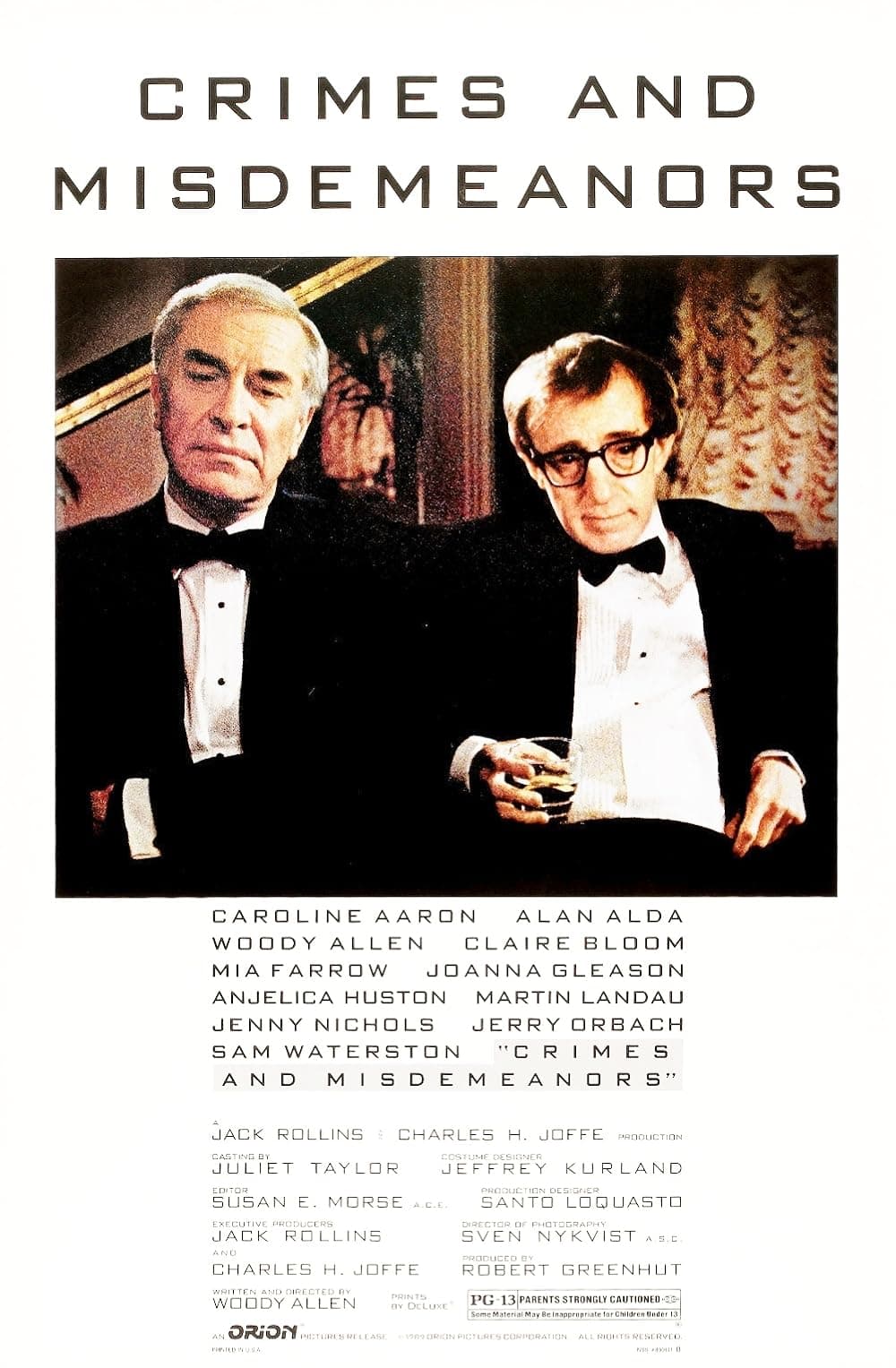
1989
Crimes and Misdemeanors
A genteel New York morality play where privilege meets decision — and conscience is the loudest character.
Read our take →
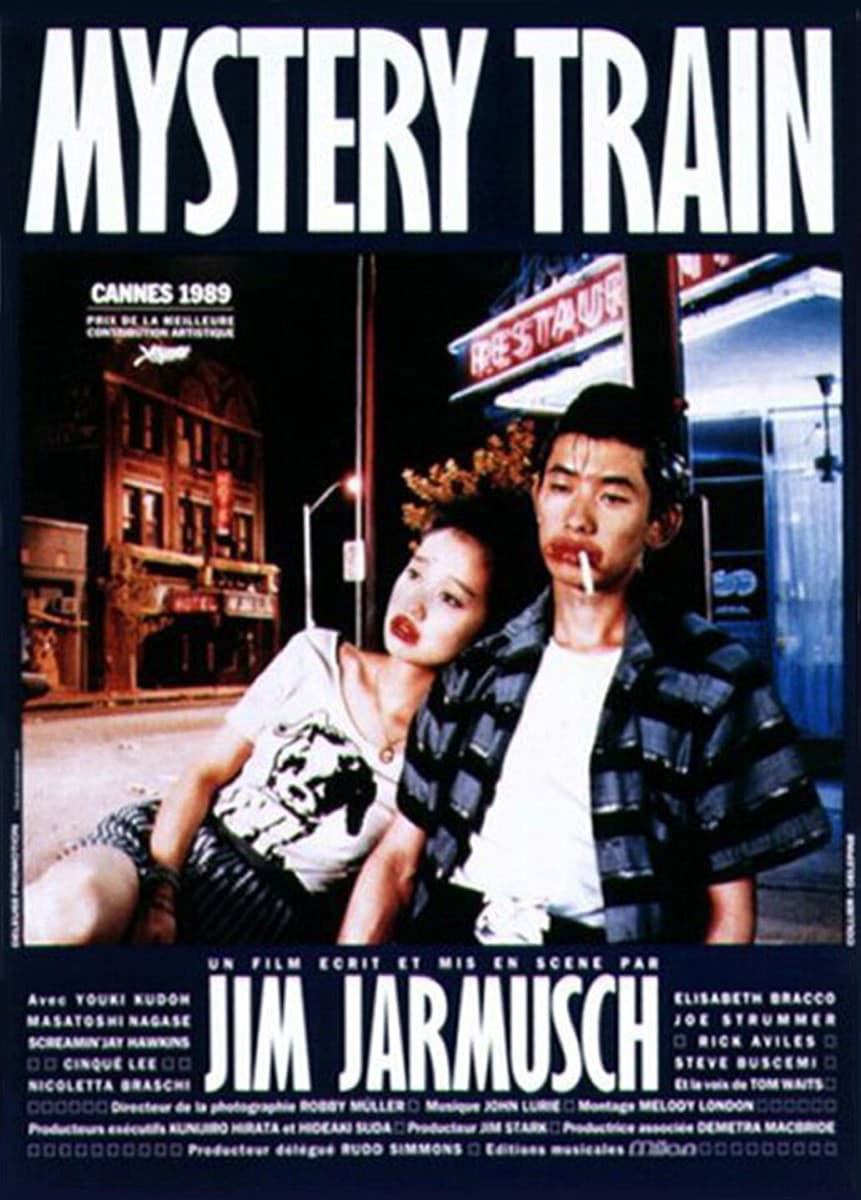
1989
Mystery Train
Mystery Train: friendship and authority, and why this 1989 movie still matters.
Read our take →
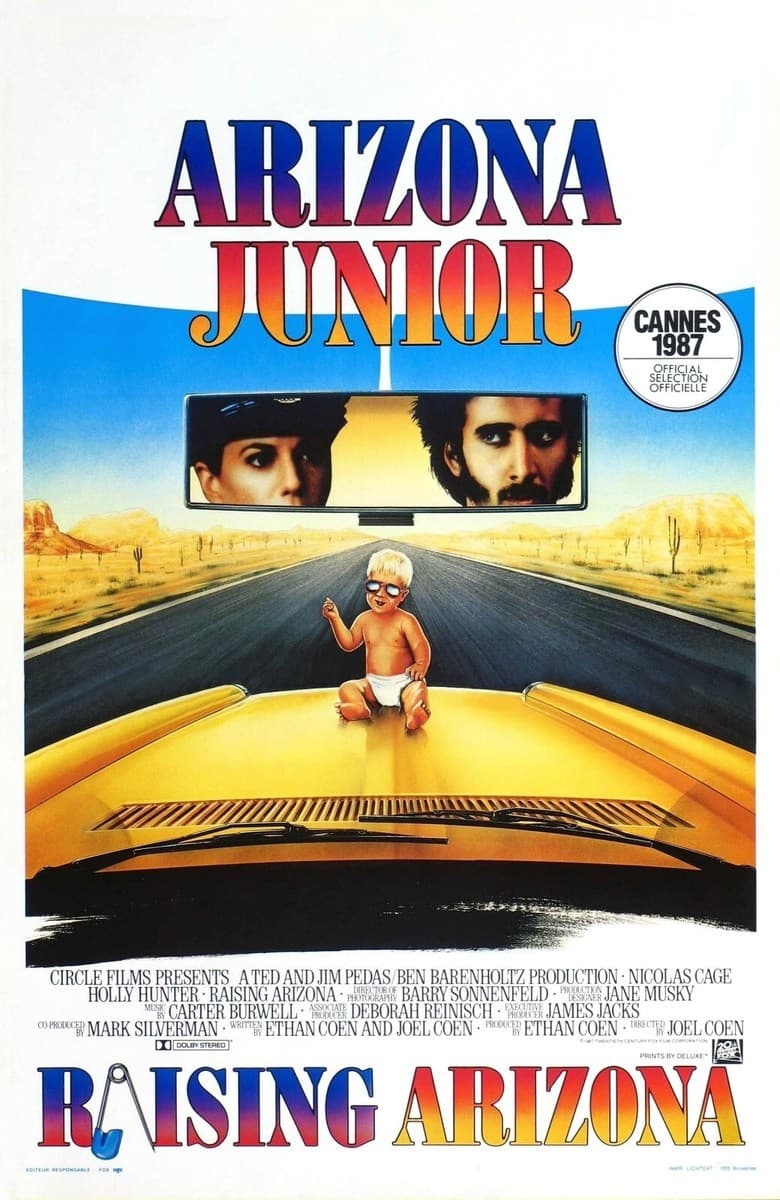
1987
Raising Arizona
A robber who wants a nursery more than a life of crime — and it’s the contradiction that keeps the laughs coming.
Read our take →