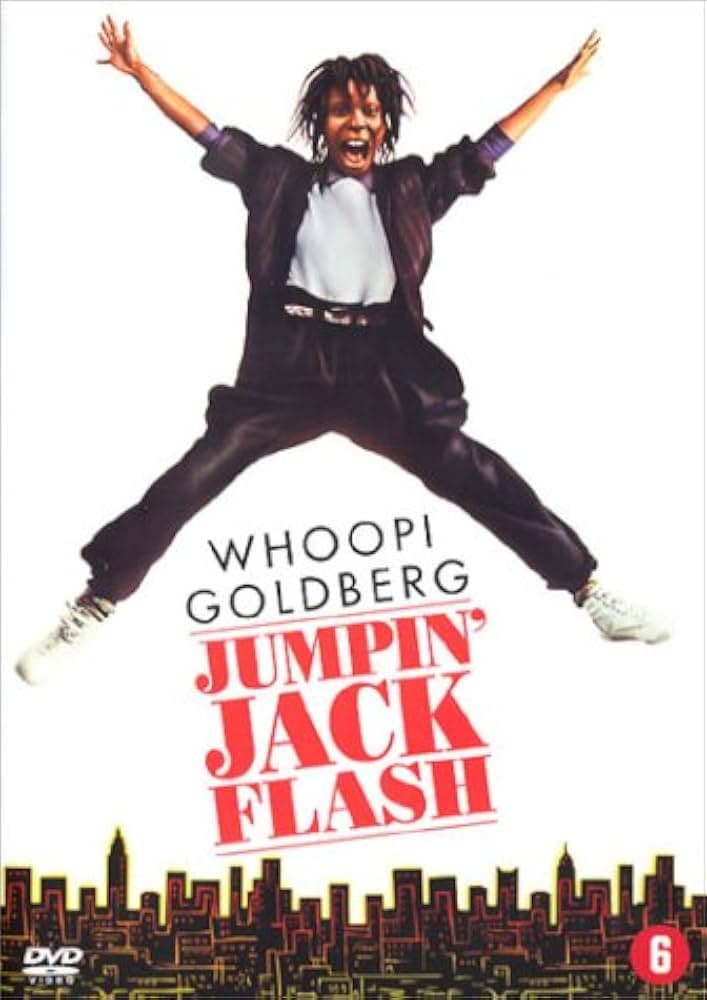
Jumpin' Jack Flash
Jumpin' Jack Flash: our relationship with technology and freedom, and why this 1986 movie still matters.
The setup
Jumpin' Jack Flash arrived in 1986, directed by Penny Marshall. In New York City, Terry Doolittle is an eccentric but talented and affable computer operator at First National Bank. Decades later, it is worth looking at why the film still connects with audiences.
THE MOVIE
Teresa "Terry" Doolittle is still the reason this movie works
Jumpin' Jack Flash was released in 1986 and directed by Penny Marshall. Rather than simply retelling the plot, the film is worth revisiting for the characters, conflicts and ideas that give its story its identity.
Technology, Freedom and Mortality emerge through what the characters face and the choices they make, giving the story more to explore beyond its immediate plot.
Teresa "Terry" Doolittle, Marty Phillips and Jeremy Talbot do not begin the film seeing one another clearly, and watching those first impressions break down is a big part of why Jumpin' Jack Flash still works.
THE SETUP
The idea that sets Jumpin' Jack Flash in motion
In New York City, Terry Doolittle is an eccentric but talented and affable computer operator at First National Bank.
She regularly uses her work computer to communicate remotely with and advise people around the world. That detail matters because it shapes the way the characters initially see one another.
Late one night, Terry receives a message from "Jumping Jack Flash", who claims to be a British Intelligence agent trapped in Eastern Europe and pursued by the KGB. From there, the film can concentrate less on explaining the setup and more on what happens between the people inside it.
Unable to contact his superiors, Jack asks Terry for help after she demonstrates her intelligence by cracking his encryption password, based on their shared fondness for The Rolling Stones.
He asks her to deliver a coded message to Department C at the British consulate, but a staff member, Jeremy Talbot, claims that no such department exists.
A computer technician later arrives at First National to inspect Terry's computer, but disappears when she calls security to confirm who sent him.
Jack then asks Terry to retrieve a frying pan from his apartment, on which he has concealed contact information for fellow agents Mark Van Meter, Peter Caen, Archer Lincoln, and Harry Carlson.
UNDER THE SURFACE
Jumpin' Jack Flash has more on its mind than the plot suggests
Jumpin' Jack Flash has more on its mind than the basic setup suggests. our relationship with technology sits close to the centre of the film, but it is explored through the characters rather than treated like a lesson.
freedom matters just as much. The film keeps challenging the assumptions its characters make about one another, which is where much of its emotional weight comes from.
There is also plenty here about mortality and family. Those ideas overlap rather than sitting in separate boxes, which helps the movie feel like a story about people rather than a checklist of themes.
PURE 80S
Jumpin' Jack Flash could not belong to any other decade
Jumpin' Jack Flash could hardly be separated from the decade that produced it. Released in 1986, it carries the attitudes, style and filmmaking rhythms of the 1980s without needing to announce them.
It also sits comfortably within the era's spy, comedy thriller and romantic comedy filmmaking, even if the movie itself is more interesting than any single genre label suggests.
That is part of why it still appears in conversations about 1980s movies and 1980s spy movies. The film has become tied not only to its own story but to the wider memory of what 1980s movies felt like.
WATCHING IT NOW
What has aged — and what hasn't
Watching Jumpin' Jack Flash now means seeing both what has lasted and what unmistakably belongs to 1986.
What still works best is the human material. Ideas around our relationship with technology, freedom and mortality have not stopped being relevant simply because the clothes, language and cultural references belong to another era.
Some moments inevitably land differently for a modern audience. Revisiting an older film properly means enjoying what still works without pretending every choice has aged equally well.
THE LEGACY
Why Jumpin' Jack Flash still matters
Terry contacts Jack, who deduces that Harry must have died after they became separated.
A large part of that staying power comes from the characters. Teresa "Terry" Doolittle, Marty Phillips and Jeremy Talbot are still useful shorthand for the personalities and pressures the film explores.
Jumpin' Jack Flash has lasted because people continue to recognise something in it. Nostalgia helps, but nostalgia alone does not keep a movie in the conversation for decades.
THE VERDICT
Does Jumpin' Jack Flash still hold up?
So, does Jumpin' Jack Flash still hold up? Yes — although watching a film from 1986 honestly means accepting that not every moment will land exactly as it once did.
The film still has something recognisable to say about technology, freedom and mortality, and its characters stop those ideas from feeling abstract.
Jumpin' Jack Flash remains worth revisiting because characters such as Teresa "Terry" Doolittle, Marty Phillips, Jeremy Talbot, Cynthia and Liz Carlson, another CIA agent and longtime friend of Jack. still feel like people rather than labels once the film gets underneath the stereotypes.
Share this movie
Keep watching
More movies from the 80s
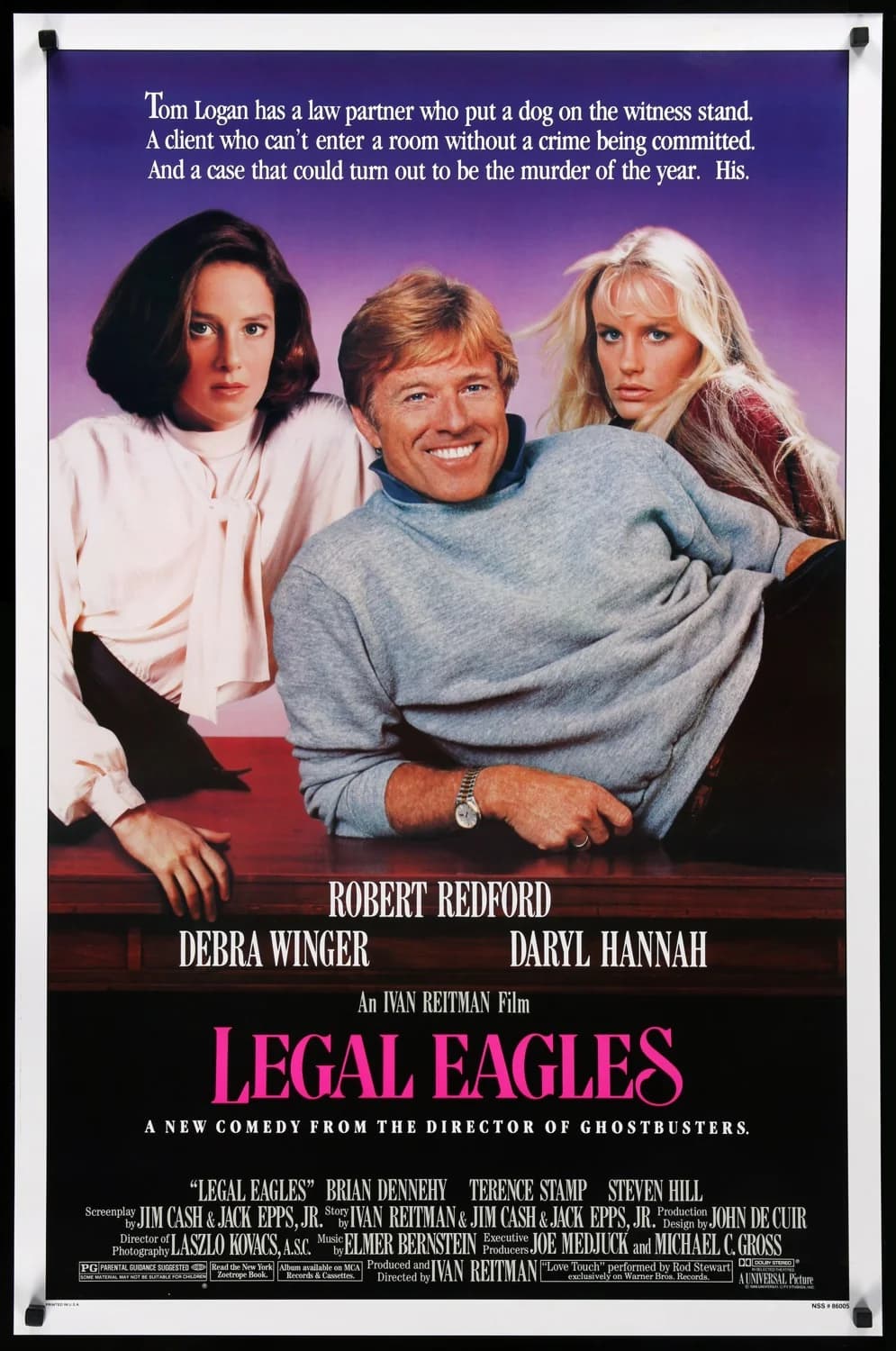
1986
Legal Eagles
Legal Eagles: loss and family, and why this 1986 movie still matters.
Read our take →
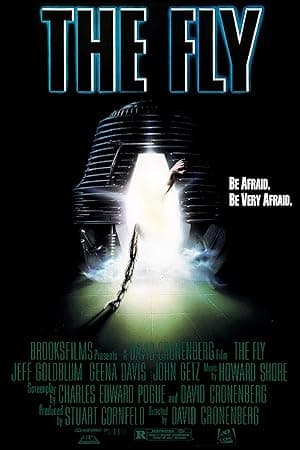
1986
The Fly
The Fly: humanity and our relationship with technology, and why this 1986 movie still matters.
Read our take →
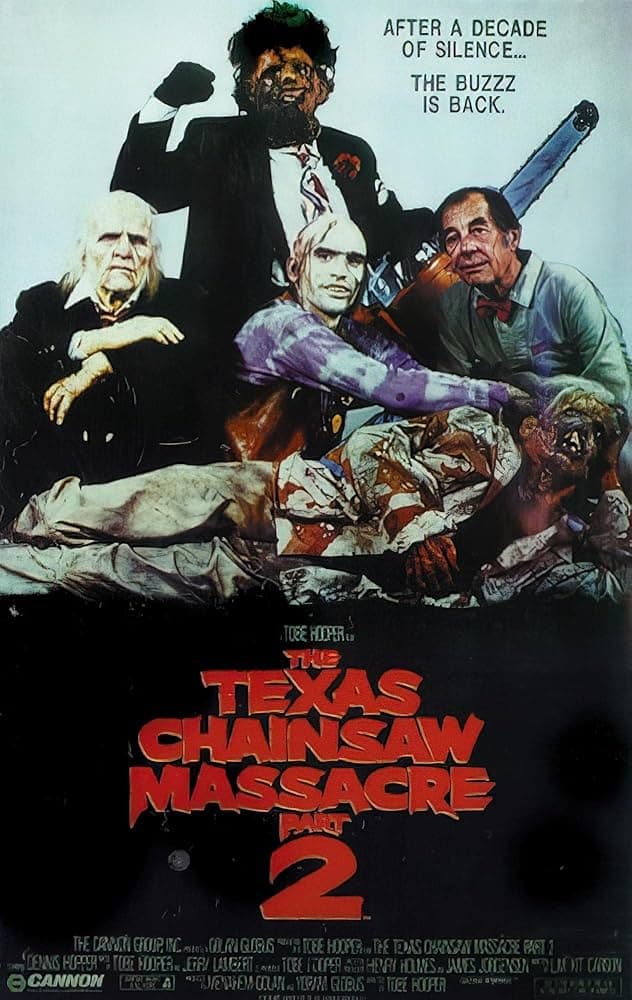
1986
The Texas Chainsaw Massacre 2
A chainsaw, a grieving ex‑ranger and a very loud 1986 satire — bloody ridiculous and oddly stubborn.
Read our take →