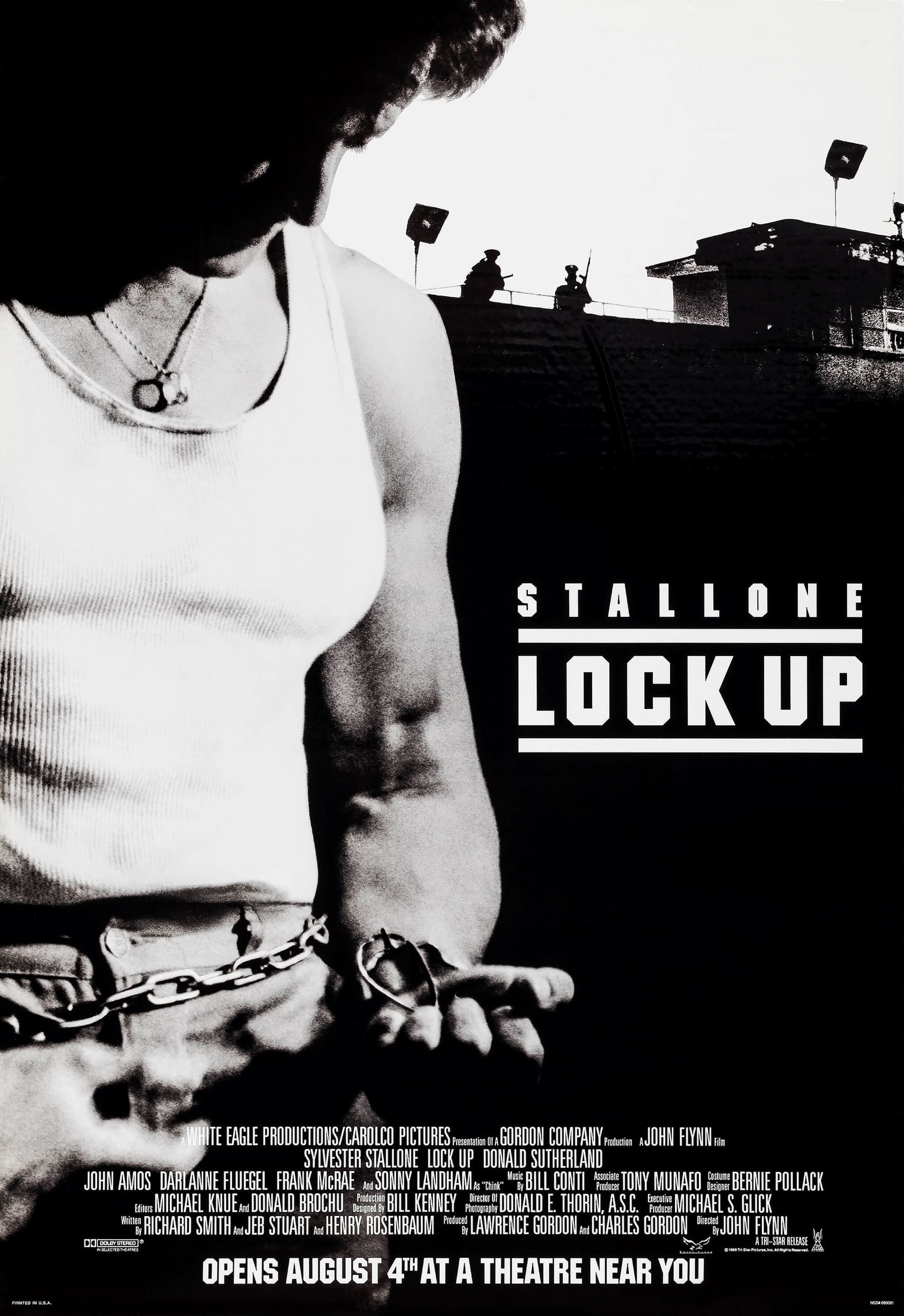
The setup
Lock Up arrived in 1989, directed by John Flynn. Frank Leone, a mechanic in Hoboken, New Jersey, is a model prisoner nearing the end of his sentence in Norwood, a low-security prison. Decades later, it is worth looking at why the film still connects with audiences.
THE MOVIE
Frank Leone is still the reason this movie works
Lock Up was released in 1989 and directed by John Flynn. Rather than simply retelling the plot, the film is worth revisiting for the characters, conflicts and ideas that give its story its identity.
Fear and Freedom emerge through what the characters face and the choices they make, giving the story more to explore beyond its immediate plot.
Frank Leone, Warden Drumgoole and Captain Meissner do not begin the film seeing one another clearly, and watching those first impressions break down is a big part of why Lock Up still works.
THE SETUP
The idea that sets Lock Up in motion
He occasionally spends time outside prison on furlough fixing cars, playing American football and seeing his girlfriend Melissa Lowell. That detail matters because it shapes the way the characters initially see one another.
From there, the film can concentrate less on explaining the setup and more on what happens between the people inside it.
Drumgoole explains that he arranged this in retaliation for an incident in which Leone escaped from Drumgoole's previous post, Treadmore Prison, and informed the press about Drumgoole's treatment of his prisoners, after Drumgoole refused to allow Leone a one-hour furlough to visit his dying mentor Galleti.
Not only did this incident result in five years in minimum security being added to Leone's sentence, but in Drumgoole's transfer to Gateway, a negative mark on his job record.
Leone is mistreated by the guards and by a dominant inmate, Chink Weber, who acts as a trustee for Drumgoole.
Leone befriends fellow prisoners Dallas, Eclipse and First-Base, and shows them how he deals with the hardship of prison.
The foursome refurbish a Ford Mustang in the prison shop, which Eclipse nicknames "Maybelline".
Leone explains to Eclipse that he was sent to prison for taking the law into his own hands when he avenged an attack on Galleti.
After Leone reluctantly allows First-Base to start the car, First-Base drives the Mustang out of the garage and into the prison yard.
THE CHARACTER
Why Frank Leone matters
Sylvester Stallone plays Frank Leone. Frank Leone, a mechanic in Hoboken, New Jersey, is a model prisoner nearing the end of his sentence in Norwood, a low-security prison.
Afterward, Drumgoole makes Leone and his friends watch as other inmates destroy the car.
Leone is sent to solitary confinement for six weeks and tortured by the guards.
THE PERFORMANCE
Why Warden Drumgoole matters
Donald Sutherland plays Warden Drumgoole. While sleeping in his cell, guards arrive and forcibly take Leone to the violent maximum-security Gateway Prison run by Warden Drumgoole.
However, the guards' captain, Meissner, and one other guard, Braden, become so disgusted with the sadism of the warden and his toadies that Meissner orders it stopped and releases Leone from confinement.
Aiming to force Leone to snap and compromise his position, the warden has Chink kill First-Base in the gym.
UNDER THE SURFACE
Lock Up has more on its mind than the plot suggests
Lock Up has more on its mind than the basic setup suggests. fear sits close to the centre of the film, but it is explored through the characters rather than treated like a lesson.
freedom matters just as much. The film keeps challenging the assumptions its characters make about one another, which is where much of its emotional weight comes from.
PURE 80S
Lock Up could not belong to any other decade
Lock Up could hardly be separated from the decade that produced it. Released in 1989, it carries the attitudes, style and filmmaking rhythms of the 1980s without needing to announce them.
It also sits comfortably within the era's thriller, drama, action, prison and crime filmmaking, even if the movie itself is more interesting than any single genre label suggests.
That is part of why it still appears in conversations about 1980s movies and 1980s thriller movies. The film has become tied not only to its own story but to the wider memory of what 1980s movies felt like.
WATCHING IT NOW
What has aged — and what hasn't
Watching Lock Up now means seeing both what has lasted and what unmistakably belongs to 1989.
What still works best is the human material. Ideas around fear and freedom have not stopped being relevant simply because the clothes, language and cultural references belong to another era.
Some moments inevitably land differently for a modern audience. Revisiting an older film properly means enjoying what still works without pretending every choice has aged equally well.
THE LEGACY
Why Lock Up still matters
A large part of that staying power comes from the characters. Frank Leone, Warden Drumgoole and Captain Meissner are still useful shorthand for the personalities and pressures the film explores.
Lock Up has lasted because people continue to recognise something in it. Nostalgia helps, but nostalgia alone does not keep a movie in the conversation for decades.
THE VERDICT
Does Lock Up still hold up?
So, does Lock Up still hold up? Yes — although watching a film from 1989 honestly means accepting that not every moment will land exactly as it once did.
The film still has something recognisable to say about fear and freedom, and its characters stop those ideas from feeling abstract.
Lock Up remains worth revisiting because characters such as Frank Leone, Warden Drumgoole, Captain Meissner, "Chink" Weber and Dallas still feel like people rather than labels once the film gets underneath the stereotypes.
Share this movie
Keep watching
More movies from the 80s
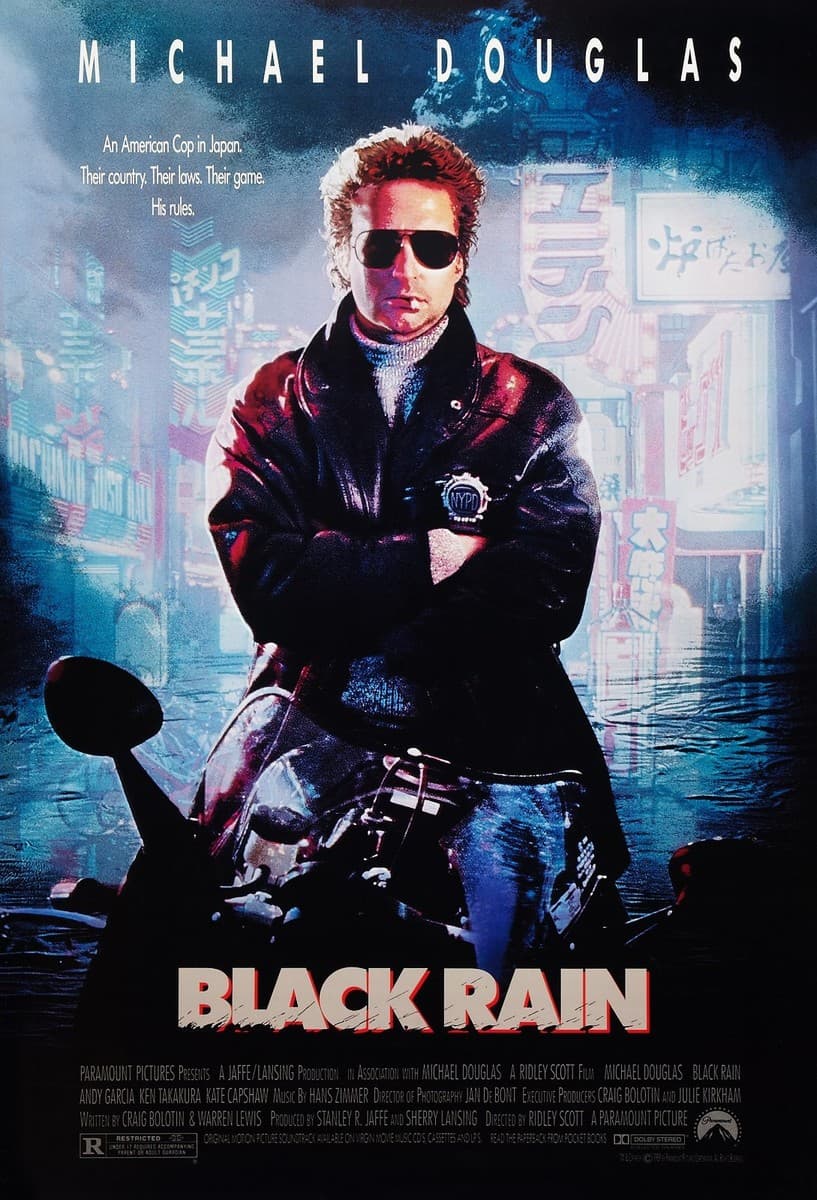
1989
Black Rain
Black Rain: family and parents protecting their children, and why this 1989 movie still matters.
Read our take →
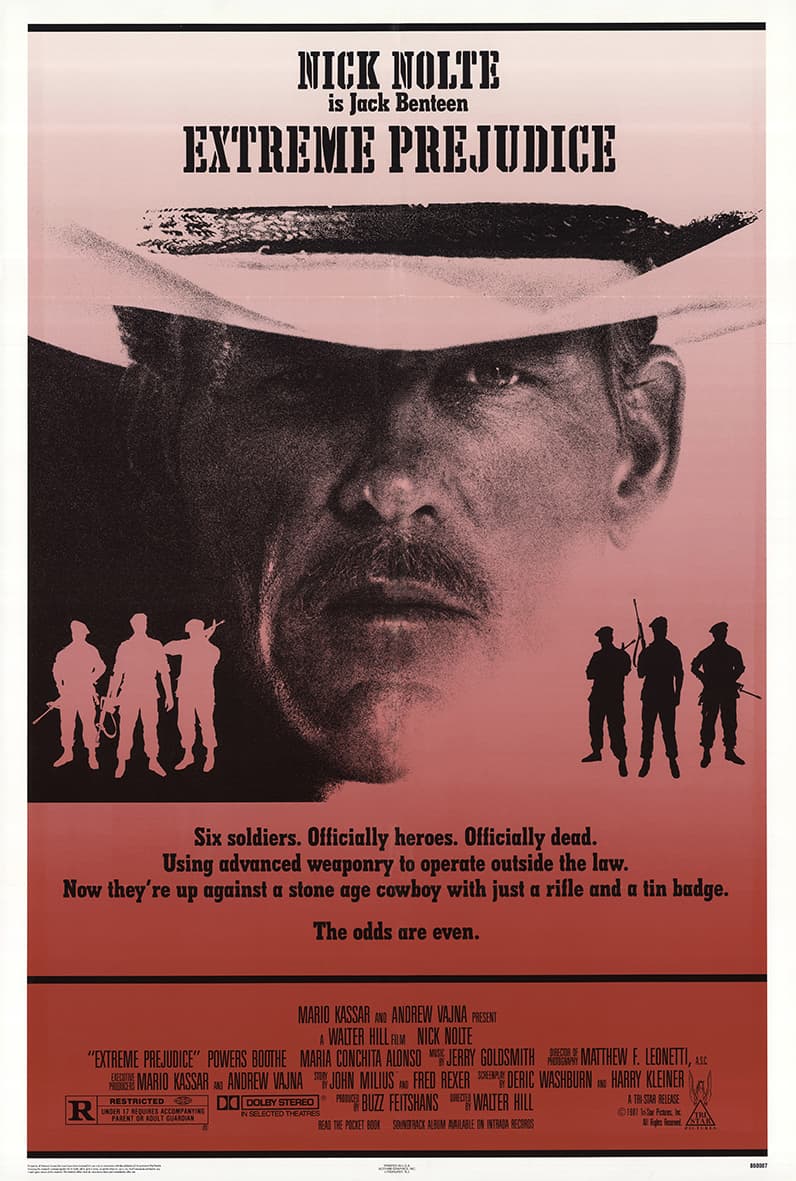
1987
Extreme Prejudice
Extreme Prejudice: greed and authority, and why this 1987 movie still matters.
Read our take →
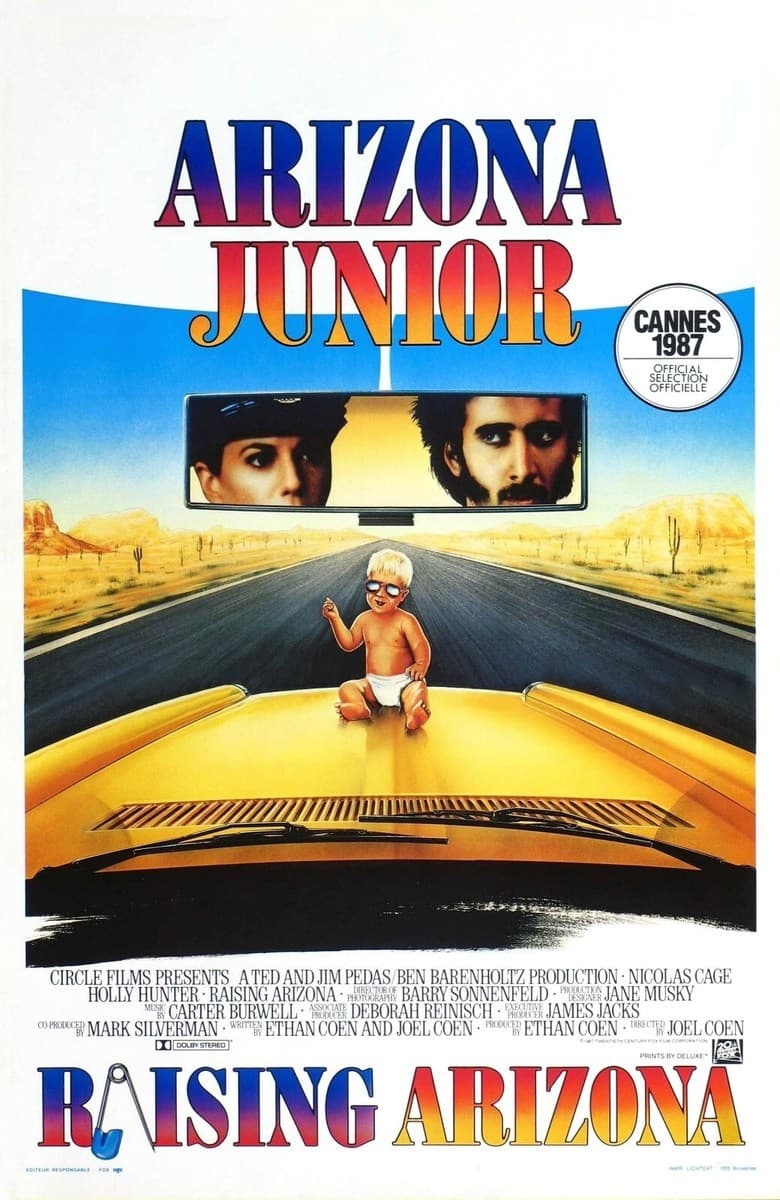
1987
Raising Arizona
A robber who wants a nursery more than a life of crime — and it’s the contradiction that keeps the laughs coming.
Read our take →