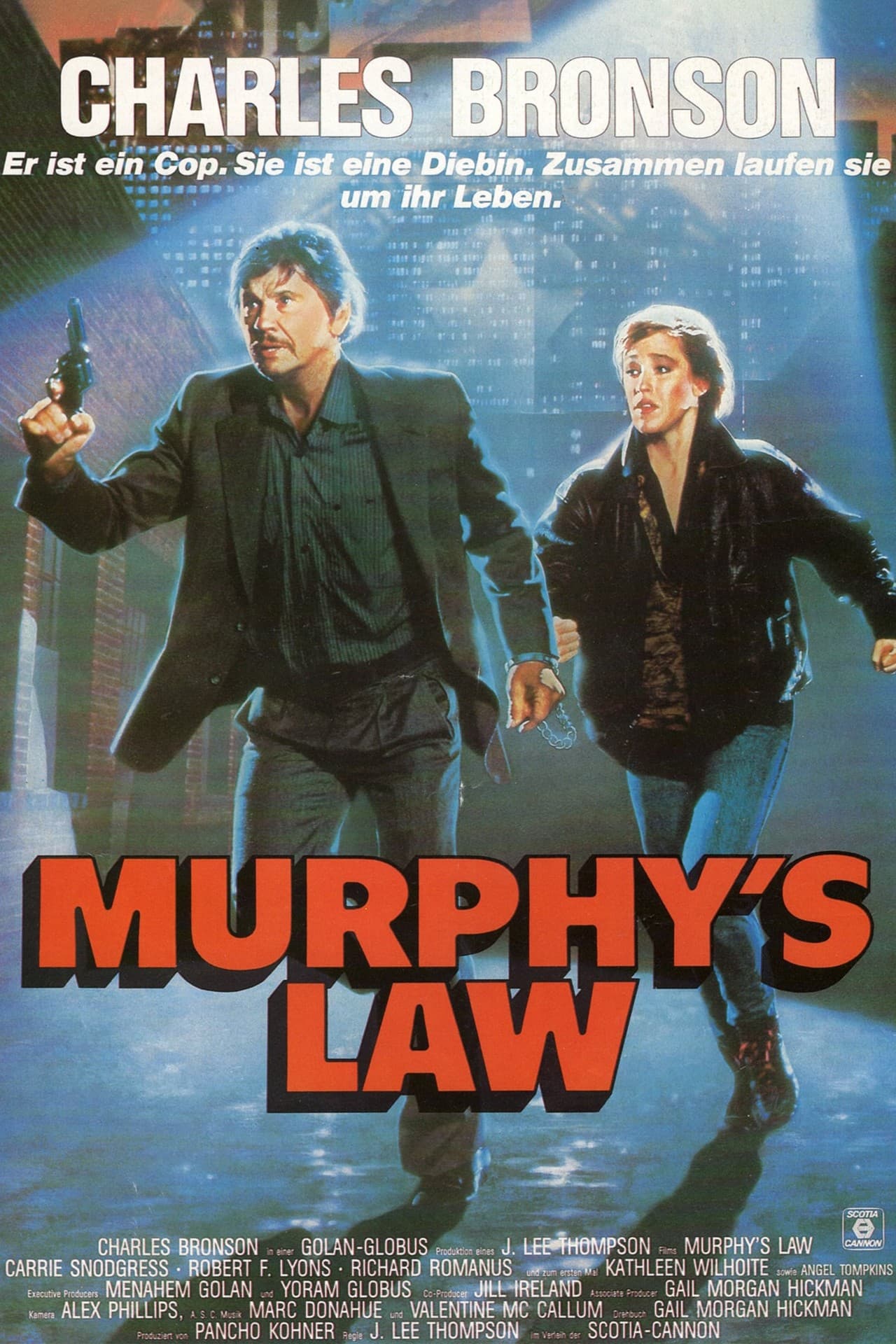
The setup
Murphy's Law arrived in 1986, directed by J. Lee Thompson. Jack Murphy, a hardened, antisocial alcoholic LAPD detective, frequently escapes the harsh reality that his ex-wife has become a stripper and his career is going nowhere by drinking. Decades later, it is worth looking at why the film still connects with audiences.
THE MOVIE
Det. Jack Murphy is still the reason this movie works
Murphy's Law was released in 1986 and directed by J. Lee Thompson. Rather than simply retelling the plot, the film is worth revisiting for the characters, conflicts and ideas that give its story its identity.
Parental protection, Mortality and Heroism emerge through what the characters face and the choices they make, giving the story more to explore beyond its immediate plot. Det. Jack Murphy, Arabella McGee and Joan Freeman do not begin the film seeing one another clearly, and watching those first impressions break down is a big part of why Murphy's Law still works.
THE SETUP
The idea that sets Murphy's Law in motion
Jack Murphy, a hardened, antisocial alcoholic LAPD detective, frequently escapes the harsh reality that his ex-wife has become a stripper and his career is going nowhere by drinking.
His world is turned upside down, however, when he is framed by ex-convict Joan Freeman for putting her in prison earlier in his career. That detail matters because it shapes the way the characters initially see one another.
Freeman murders the detective's ex-wife and her boyfriend and begins killing off his associates while framing him for the crimes. From there, the film can concentrate less on explaining the setup and more on what happens between the people inside it.
THE PERFORMANCE
Why Arabella McGee matters
Kathleen Wilhoite plays Arabella McGee. The same police force he works for places him under arrest with Arabella McGee, a foul-mouthed petty thief he locked away.
Murphy escapes from jail while still handcuffed to McGee and they pursue the real killer.
While in pursuit of Freeman, who has managed to kill all of those on her hit list save Murphy, Arabella is kidnapped by Freeman and taken to the building where she was first arrested by Murphy.
UNDER THE SURFACE
Murphy's Law has more on its mind than the plot suggests
Murphy's Law has more on its mind than the basic setup suggests. parents protecting their children sits close to the centre of the film, but it is explored through the characters rather than treated like a lesson.
mortality matters just as much. The film keeps challenging the assumptions its characters make about one another, which is where much of its emotional weight comes from. There is also plenty here about heroism and fear. Those ideas overlap rather than sitting in separate boxes, which helps the movie feel like a story about people rather than a checklist of themes.
PURE 80S
Murphy's Law could not belong to any other decade
Murphy's Law could hardly be separated from the decade that produced it. Released in 1986, it carries the attitudes, style and filmmaking rhythms of the 1980s without needing to announce them.
It also sits comfortably within the era's crime, action, thriller, buddy cop and drama filmmaking, even if the movie itself is more interesting than any single genre label suggests.
That is part of why it still appears in conversations about 1980s movies and 1980s crime movies. The film has become tied not only to its own story but to the wider memory of what 1980s movies felt like.
WATCHING IT NOW
What has aged — and what hasn't
Watching Murphy's Law now means seeing both what has lasted and what unmistakably belongs to 1986.
What still works best is the human material. Ideas around parents protecting their children, mortality and heroism have not stopped being relevant simply because the clothes, language and cultural references belong to another era.
Some moments inevitably land differently for a modern audience. Revisiting an older film properly means enjoying what still works without pretending every choice has aged equally well.
THE LEGACY
Why Murphy's Law still matters
A large part of that staying power comes from the characters. Det. Jack Murphy, Arabella McGee and Joan Freeman are still useful shorthand for the personalities and pressures the film explores.
Murphy's Law has lasted because people continue to recognise something in it. Nostalgia helps, but nostalgia alone does not keep a movie in the conversation for decades.
THE VERDICT
Does Murphy's Law still hold up?
So, does Murphy's Law still hold up? Yes — although watching a film from 1986 honestly means accepting that not every moment will land exactly as it once did.
The film still has something recognisable to say about parental protection, mortality and heroism, and its characters stop those ideas from feeling abstract.
Murphy's Law remains worth revisiting because characters such as Det. Jack Murphy, Arabella McGee, Joan Freeman, Det. Art Penney and Frank Vincenzo still feel like people rather than labels once the film gets underneath the stereotypes.
Share this movie
Keep watching
More movies from the 80s
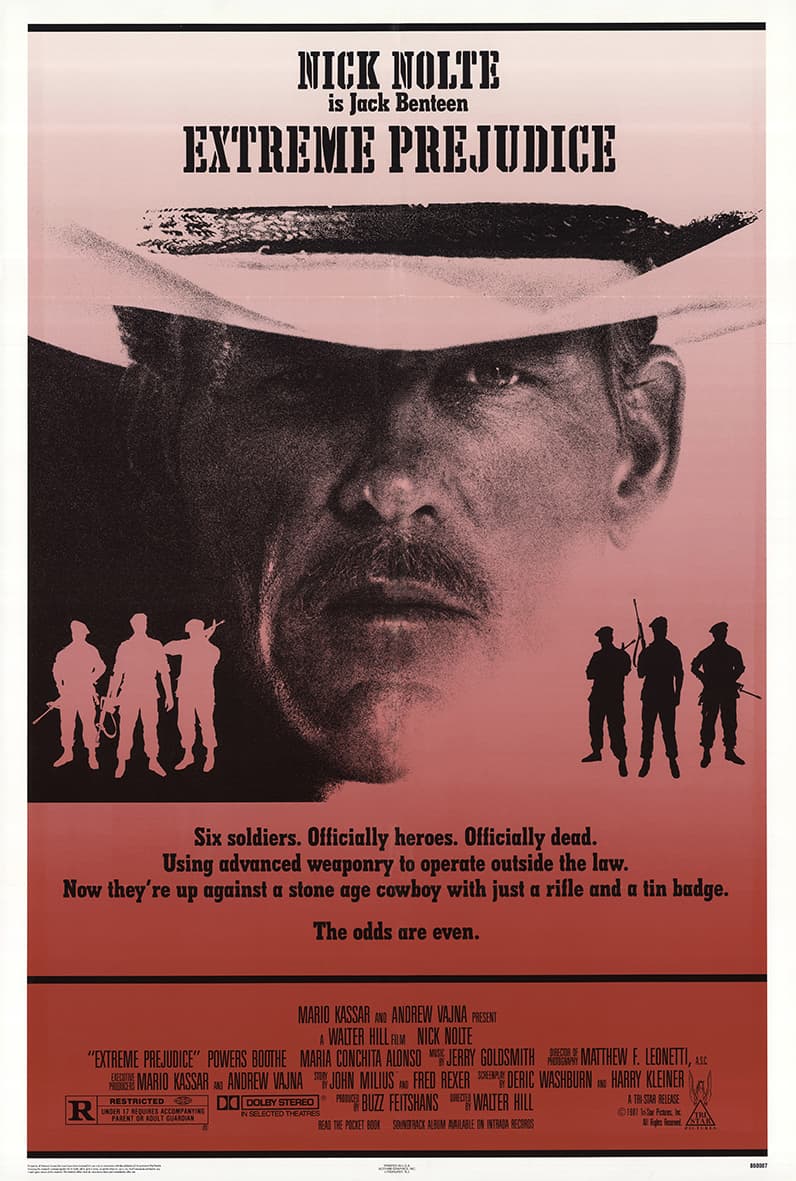
1987
Extreme Prejudice
Extreme Prejudice: greed and authority, and why this 1987 movie still matters.
Read our take →
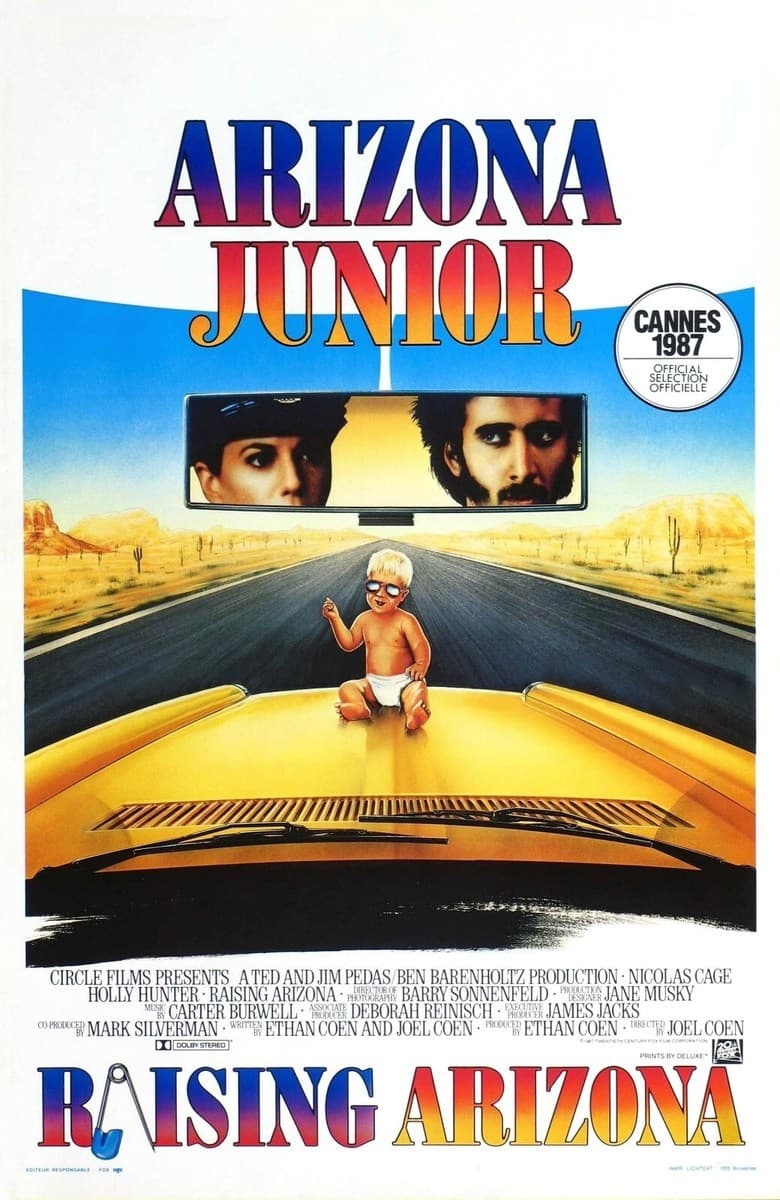
1987
Raising Arizona
A robber who wants a nursery more than a life of crime — and it’s the contradiction that keeps the laughs coming.
Read our take →
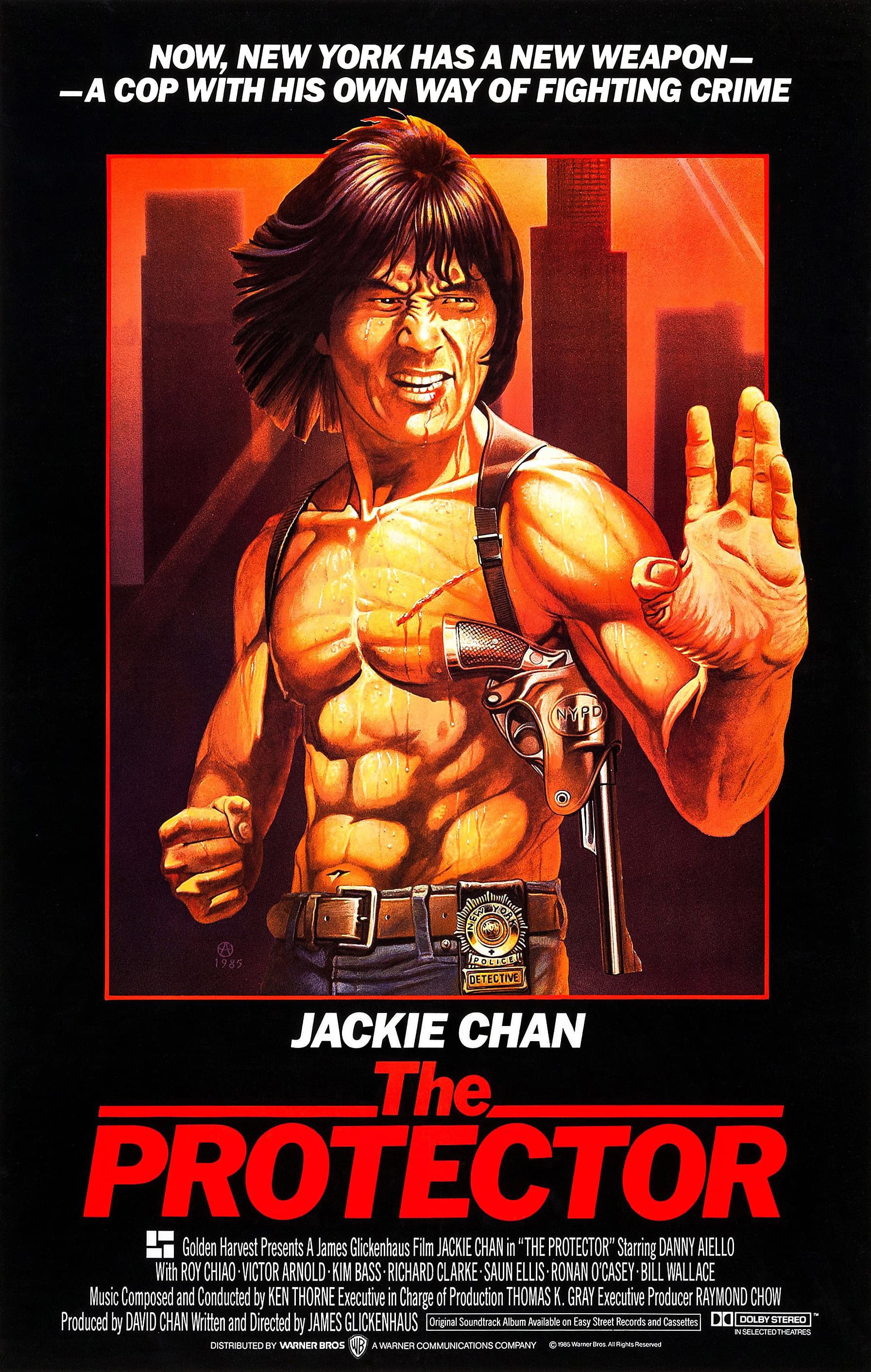
1985
The Protector
The Protector: family and parents protecting their children, and why this 1985 movie still matters.
Read our take →