The setup
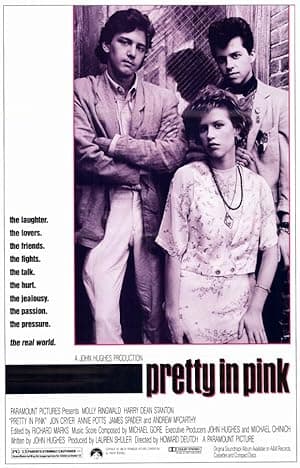
Pretty in Pink centres on Andie Walsh — a resourceful outsider who makes her own clothes and refuses to pretend she’s from somewhere she isn’t. Howard Deutch’s 1986 teen romance spins class tension, friendship and first love into a neat 96‑minute package that still sparks debate about who should end up with whom.
THE MOVIE
Andie Walsh is still the reason this movie works
Pretty in Pink hangs, stubbornly and happily, on one character. Andie Walsh is a working‑class high‑school senior who keeps to herself and builds her identity by designing clothes from second‑hand materials — which, in a film about fitting in, is a loud, useful thing to watch.
Her life is a balancing act. On one side there’s Philip 'Duckie' Dale, the long‑standing friend who has made himself the story’s romantic shadow; on the other there’s Blane McDonough, the preppy classmate whose interest forces Andie to reckon with the school’s social map. That triangle gives the film its heartbeat: friendship, desire and class rubbing up against each other.
Howard Deutch directed the picture in 1986 and, in just 96 minutes, the movie keeps the focus tight: Andie’s resourcefulness and outsider creativity sit at the centre of almost every choice the story makes.
THE SETUP
The idea that sets Pretty in Pink in motion
At its simplest, the film is driven by one recurring pressure: class difference and the need to belong. The suburban high‑school world Andie inhabits keeps steering her toward moments that test whether she’ll compromise, hide or show herself.
A very concrete object structures a lot of the film: Andie’s prom dress. Making the dress and the prom itself supply the movie with a series of preparation scenes and confrontations — small dramas that build into the climax.
Those prom stakes also make the story an easily readable coming‑of‑age arc: choices get clearer when you can see the cost of them in social terms. The prom is not just a party; it’s a pressure cooker where class and romance collide.
It’s worth noting the story we know wasn’t immutable. After early test audiences rejected the original ending — which paired Andie with Duckie — John Hughes rewrote and the production reshot the final sequence, producing the theatrical finish most viewers recognise today.
THE CHARACTER
Why Andie Walsh matters
Molly Ringwald plays Andie Walsh, but the point here isn’t star wattage — it’s the shape of the part. Andie is drawn as an independent, creative outsider: she makes clothes from second‑hand materials because that’s what she has and because it’s who she is.
That practical creativity is the film’s shorthand for dignity. Where other characters can trade on family money or effortless acceptance, Andie’s resourcefulness is a public statement about identity: she fashions herself literally and figuratively.
Her home life anchors the other side of the coin. An older single parent, Jack Walsh’s employment struggles put the family in a working‑class context that the movie returns to whenever it needs to remind us what Andie has to juggle.
Andie also exists amid complicated affections: Duckie is a loyal, romantic friend whose behaviour walks a line between comic devotion and real hurt. That friendship‑versus‑romance tension is one of the reasons Andie’s choices feel lived‑in rather than schematic.
UNDER THE SURFACE
Pretty in Pink has more on its mind than the plot suggests
Under the prom corsages and the adolescent flirtation, the film is about growing up and carving an identity. It’s a coming‑of‑age story that uses social pressure as the furnace where a teen personality either hardens or refines.
Andie’s clothes are less wardrobe than witness. Outsider creativity and self‑expression are signalled through what she makes — that visual shorthand keeps nudging the viewer to read the film as a story about making yourself, not fitting a mould.
Class division isn’t background noise here; it’s the engine. The friction between Andie’s world and the wealthier students’ expectations colours every social interaction and gives the romance stakes sharper teeth.
Finally, the clash between friendship and romantic love gives the film its emotional complexity. Decisions about who to be with are tangled up with loyalty, embarrassment and the fear of losing your place in a group.
THE FILMMAKING
How Pretty in Pink was put together
Howard Deutch made Pretty in Pink as his feature debut after a career directing music videos and trailers. That background helps explain the film’s brisk tempo and the way it moves from scene to scene with a music‑video‑informed economy.
The movie doesn’t overstay its welcome. At a tidy running time, it keeps the focus tight on the interpersonal dynamics rather than sprawling subplots.
Because the production values are directed toward clarity, the film feels like a neat piece of genre work: a romantic teen picture that knows its beats and hits them cleanly.
That directness — short, purposeful scenes that push the story forward — is part of why Pretty in Pink reads well as a discussion piece about class and choice.
PURE 80S
Pretty in Pink could not belong to any other decade
This is an 80s teen picture in its bones. It sits squarely within the cycle of youth films tied to John Hughes and the Brat Pack era, films preoccupied with adolescent identity and social roles.
The soundtrack strategy — a contemporary New Wave and alternative‑pop approach — is exactly the kind of musical framing Hughes‑associated pictures favoured in the mid‑1980s.
The production and marketing also show the decade’s studio instincts: a heavy focus on teen demographics and the now‑familiar practice of test screenings shaping final cuts.
Released in 1986, the film is part of a moment when Hollywood treated teenage audiences as a distinct, decisive group and tailored stories and soundtracks to fit them.
WATCHING IT NOW
What has aged — and what hasn't
As a teen picture, Pretty in Pink keeps the elements that matter to teenage viewers: questions about identity, loyalty and whom you love. Those themes — friendship versus romantic love, the business of figuring out who you are — remain readable.
Because the film keeps its conflicts interpersonal and recognisable, the emotional logic of Andie’s choices still plays. The central dilemmas are human ones, not trend‑dependent tricks.
Technically, preservation matters: Paramount and the filmmakers have supervised remasters, including a 4K transfer overseen by Deutch for Blu‑ray. That kind of care helps modern viewers experience the film as it was intended, rather than through a tired VHS shadow.
So while certain surface details feel of their moment, the core questions at the film’s heart — identity, class friction and where loyalty fits in — keep it watchable for a present audience.
THE LEGACY
Why Pretty in Pink still matters
One of the film’s most persistent stories is a production one: early test audiences rejected the original ending (which paired Andie with Duckie), so John Hughes rewrote and the production reshot the finale. That reshaping is part of how the movie is talked about in histories of 80s teen cinema.
The movie also wears its musical inspiration on its sleeve. The title and opening sequence were inspired by the Psychedelic Furs song 'Pretty in Pink', and a re‑recorded version of that song was included on the soundtrack — a reminder of how music and teen identity were braided together for these films.
Beyond anecdotes, the film has been kept in circulation through restorations and home‑video remasters, including a director‑supervised 4K transfer for Blu‑ray. That afterlife has helped newer generations see the film on its own terms rather than through degraded copies.
Finally, it remains part of the conversation about 1980s teen films; it gets regular mentions in anniversary pieces and oral histories about John Hughes’ work because of the questions it raises about class and choice.
THE VERDICT
Does Pretty in Pink still hold up?
Yes — with a rider. Pretty in Pink still works because its centre of gravity is a clear, human set of choices: Andie’s working‑class reality, the romantic triangle and the prom pressure give the film a tidy emotional geometry that modern viewers can follow.
The movie’s drama is honest in the simple sense that the stakes are understandable: class differences and the prom’s social pressure make it plain why people say and do awkward things. The device of making Andie’s dress and the march toward the prom keep the narrative focused and immediate.
The rewritten ending is a reminder that the film is, in part, crafted for an audience. That reshoot changed how viewers read the relationships, and whether you prefer the theatrical finish or the original idea, it’s evidence the movie has always been shaped by conversation — and that matters.
If you’re interested in a compact, well‑paced take on teen identity, friendship and class, Pretty in Pink is still worth a watch. It’s not a flawless time capsule, but it’s a clever one: watchable, arguable and stubborn about its heroine.
Share this movie
Keep watching
More movies from the 80s
1986
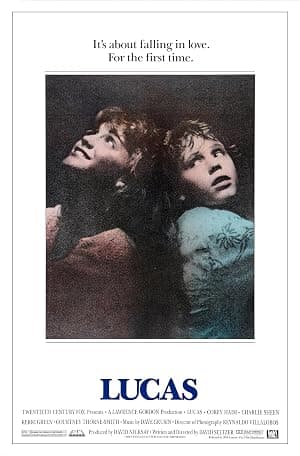
Lucas
Lucas: friendship and family, and why this 1986 movie still matters.
Read our take →
1985
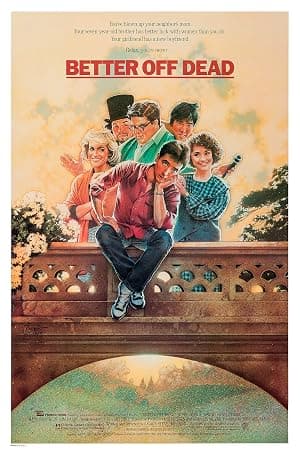
Better Off Dead
Better Off Dead: family, and why this 1985 movie still matters.
Read our take →
1987
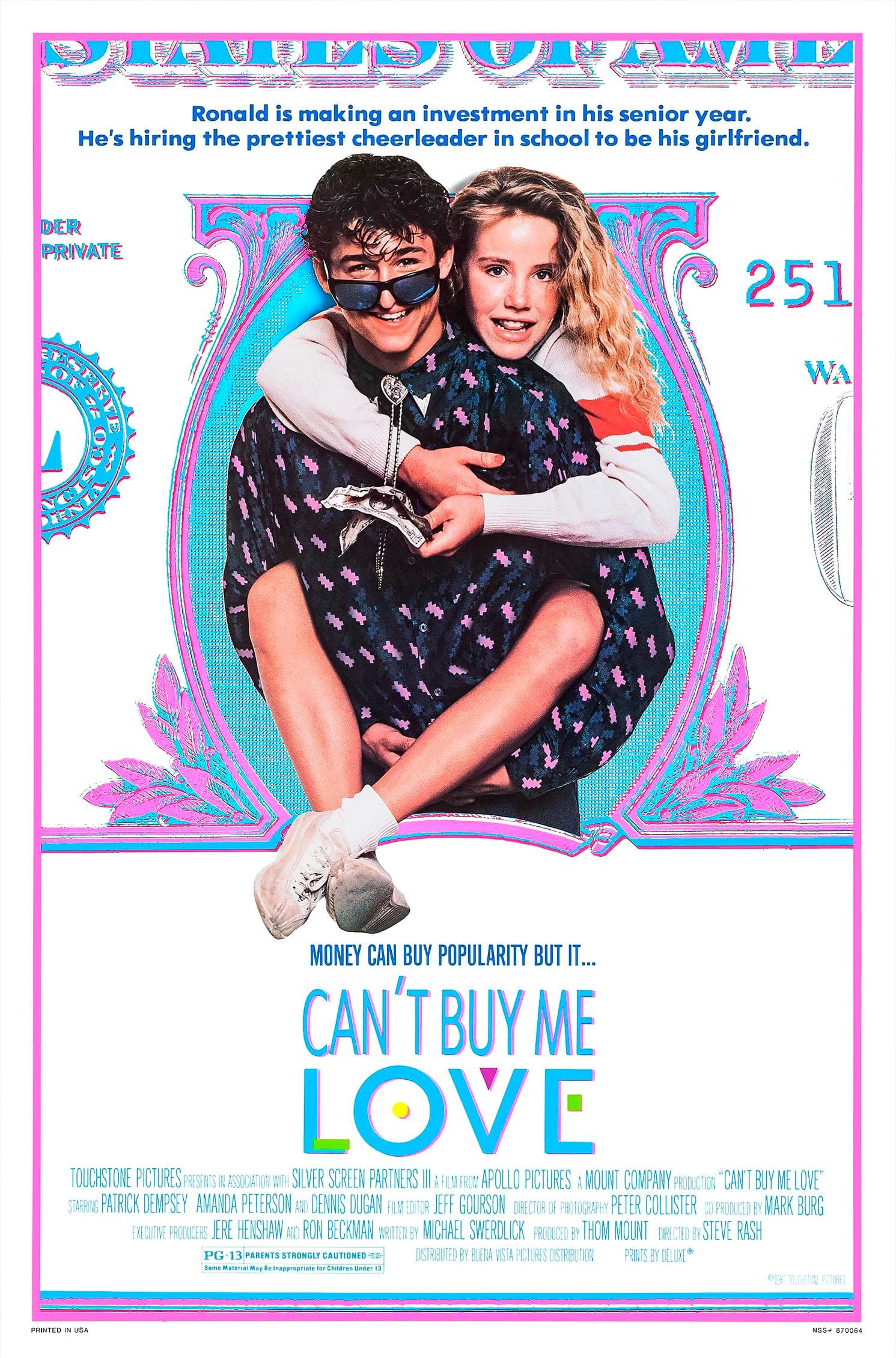
Can't Buy Me Love
Can't Buy Me Love: friendship and peer pressure, and why this 1987 movie still matters.
Read our take →