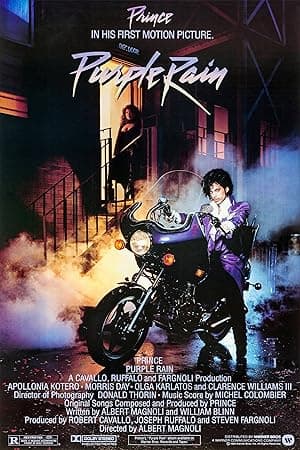
The setup
Purple Rain is, at heart, a film about a performer learning what success actually costs. Prince plays The Kid, a Minneapolis musician trying to hold the top slot at First Avenue while his violent home life nags at every solo. Albert Magnoli directed the picture, and the film folds performance and personal damage together so the music becomes plot and the plot hangs on the music.
THE MOVIE
The Kid is still the reason this movie works
If Purple Rain stays with you it’s because The Kid refuses to stop being interesting. The film follows a young Minneapolis musician who fronts The Revolution, fights to keep his place at First Avenue nightclub, and carries home life that won’t leave him alone.
Early on, Apollonia’s arrival at First Avenue splits the room — she becomes the hinge that tips The Kid’s professional life into personal chaos, drawing a rival act into the same orbit and making the stakes suddenly public as well as private.
It helps that the centre is plainly drawn: Prince plays The Kid, and Albert Magnoli directed the picture. The movie is built around coming-of-age through performance and around a character driven by perfectionism and the ghosts of violence at home — which makes the gigs feel like examinations as much as entertainment.
THE SETUP
The idea that sets Purple Rain in motion
The premise is satisfyingly simple: a bandleader trying to stay on top of a local scene while his personal life is fracturing. That tension — music as a refuge and a battleground — is the film’s engine.
Apollonia’s presence at First Avenue complicates everything. She becomes professionally entangled with both The Kid and the rival project led by Morris Day, and that triangle keeps the story moving without needing a thousand side plots.
What actually propels the drama is less a murder-mystery-level twist and more a sequence of stubborn choices: the Kid’s refusal to play other people’s songs, his exacting artistic standards, and an ego that frays under pressure.
Intercut with those choices are three recurring notes: the Kid’s fraught relationship with his parents, the local band rivalries (The Revolution versus Morris Day’s crew), and performance set pieces — the live sequences double as turning points for the story.
THE CHARACTER
Why The Kid matters
The Kid isn’t an everyman; he’s a very particular temperament — a musician whose ideas about perfection make him both magnetic and brittle. The film keeps returning to that tension between genius and fragility.
His perfectionism is rooted in something darker: unresolved trauma from his father’s abusive behaviour toward his mother. That family history is not background wallpaper but a force that shapes how he treats other people and how he performs in public.
Because the story ties his public success to private damage, The Kid’s isolation becomes narratively interesting rather than merely moody. His intermittent cruelty to those around him reads as a defence as much as an offence.
Prince plays The Kid, and the role’s conflicts — artistic demands, romantic complications with Apollonia, and the shadow of his parents — are what give the movie its emotional propulsion.
THE PERFORMANCE
Why Prince's performance matters
Contemporary and later critics often pointed to Prince’s on-screen presence as one of the film’s decisive strengths. That magnetism is repeatedly singled out in discussions of the movie.
Purple Rain is a picture that depends on a performer holding the frame: when the narrative leans on concerts and persona, the lead’s presence becomes the glue that keeps disparate scenes from drifting.
Critics such as Gene Siskel and Roger Ebert included Purple Rain on their year-end lists in 1984, which underlines how much the film’s reception hinged on the central performance.
Put simply: the film bets on its star, and for many viewers that gamble pays off because the on-screen energy shapes how the story lands.
UNDER THE SURFACE
Purple Rain has more on its mind than the plot suggests
At surface level it’s a musical drama about local rivalry and romance. Underneath, it’s mostly about growing up in public — using performance as a way to test who you are and what you’ll become.
Family violence is not decorative here. The Kid’s history with his parents leaves marks that shape his choices and his relationships; the film treats those scars as narrative fuel rather than mere backstory.
There’s also a persistent argument about how an artist should work with other people. The Kid’s refusal to integrate his bandmates’ material and his escalating ego set up the central tension between solo brilliance and collaboration.
Finally, the movie doesn’t shy away from presentation: its play with androgyny and sexual display, alongside the pressures of the music business, show that image and commerce are woven into the story’s questions about identity and control.
THE FILMMAKING
How Purple Rain was put together
The film’s look and staging were assembled by a small credited team. Donald E. Thorin is listed as the cinematographer and Ward Preston as the production designer, names that anchor the movie’s visual choices.
Albert Magnoli directed the film and is credited with co-writing and editing the picture, which helps explain the way music and narrative are stitched together — direction and editing both lean on performance sequences to carry story weight.
That combination — a filmmaker doubling as editor and a dedicated production-design and cinematography team — gives Purple Rain a practical, music-driven construction rather than a maximalist studio gloss.
The result is a picture that feels organised around live moments: the crew built a framework where concert sequences could function as narrative pivots.
PURE 80S
Purple Rain could not belong to any other decade
Purple Rain was conceived in the early 1980s as a long-form, music-led feature that clearly aimed to ride the new currents of pop stardom coming out of the MTV era. It wears that pedigree in the way it puts music at the heart of the picture.
The movie is tied closely to the Minneapolis sound and to Prince’s commercial breakthrough from his early-1980s records; it arrives at a moment when a musician’s image and catalogue could translate into a very different kind of film project.
It opened in 1984, a year that suited its mixture of pop ambition and melodrama. That timing made the picture feel like part of a broader pop-cultural conversation about stardom and spectacle.
Even awards season acknowledged the film’s musical core: Prince received the Academy Award for Best Original Song Score, which underlines how central the music was to the film’s identity.
WATCHING IT NOW
What has aged — and what hasn't
One indisputable fact about Purple Rain is that it introduced Prince to feature filmmaking audiences as The Kid. That casting choice still explains a lot about why people watch the movie now: it’s a document of an artist stepping into a different arena.
The film’s afterlife also includes a continuation: Graffiti Bridge (1990) carries on characters and story threads, which shows the creators treated Purple Rain as the start of a longer on-screen conversation rather than a closed chapter.
If you’re hunting versions of the movie, be aware that running times vary across editions; the AFI Catalog lists 104 minutes while other distribution and home-video sources commonly cite longer running times, so your viewing experience may differ depending on the cut.
Those are practical details, not aesthetic verdicts — they affect how and where the film is seen today, and they underline that Purple Rain exists both as a single film and as part of a slightly larger cinematic footprint.
THE LEGACY
Why Purple Rain still matters
A lot of Purple Rain’s afterlife is musical: the soundtrack was a major commercial and critical success and remains closely associated with Prince’s career identity.
That musical success translated into industry recognition — Prince received the Academy Award for Best Original Song Score — which keeps the film in conversations about artists successfully crossing into cinema.
Institutional recognition has followed too: the film was selected for preservation in the U.S. Library of Congress National Film Registry in 2019, which marks it as a title judged worth protecting for future viewers.
And because the characters continued on-screen in Graffiti Bridge, Purple Rain also functions as the first act of a story its creators chose to revisit, which cements it as more than a one-off pop experiment.
THE VERDICT
Does Purple Rain still hold up?
Yes — if your purchase is for a story told in performance. Purple Rain is a film that stages its real moments onstage: the live sequences are narrative turning points and the film asks you to read a life through the music it makes.
That relies on a central figure to do the heavy lifting. Prince plays The Kid — a perfectionist haunted by family violence whose ego and talent propel the plot — and critics at the time singled out his screen presence as the reason the film often worked for viewers.
Plotwise, the mechanics are straight-forward: Apollonia’s arrival complicates The Kid’s life and Morris Day’s opportunism leverages the Kid’s instability, so the conflicts are personal, public and immediately legible. If you respond to stories where rivalry, romance and performance collide, Purple Rain delivers.
If you want a tidy drama with every subplot resolved, this isn’t it. But if you want a movie where the music is argument and confession, where the main character’s private history gives the gigs weight, then it’s still worth watching. And when the lights come up at First Avenue, that’s when the film most clearly shows what it set out to do: make the stage a place where a young man learns what he’s willing to lose.
Share this movie
Keep watching
More movies from the 80s
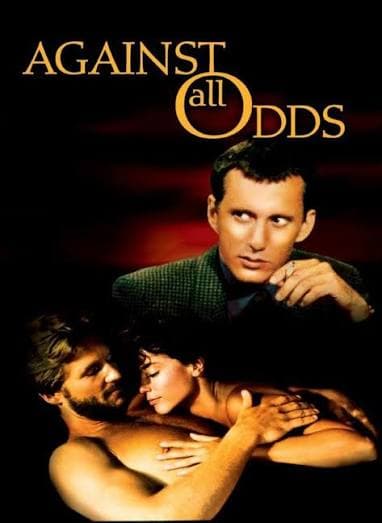
1984
Against All Odds
Against All Odds: family and greed, and why this 1984 movie still matters.
Read our take →
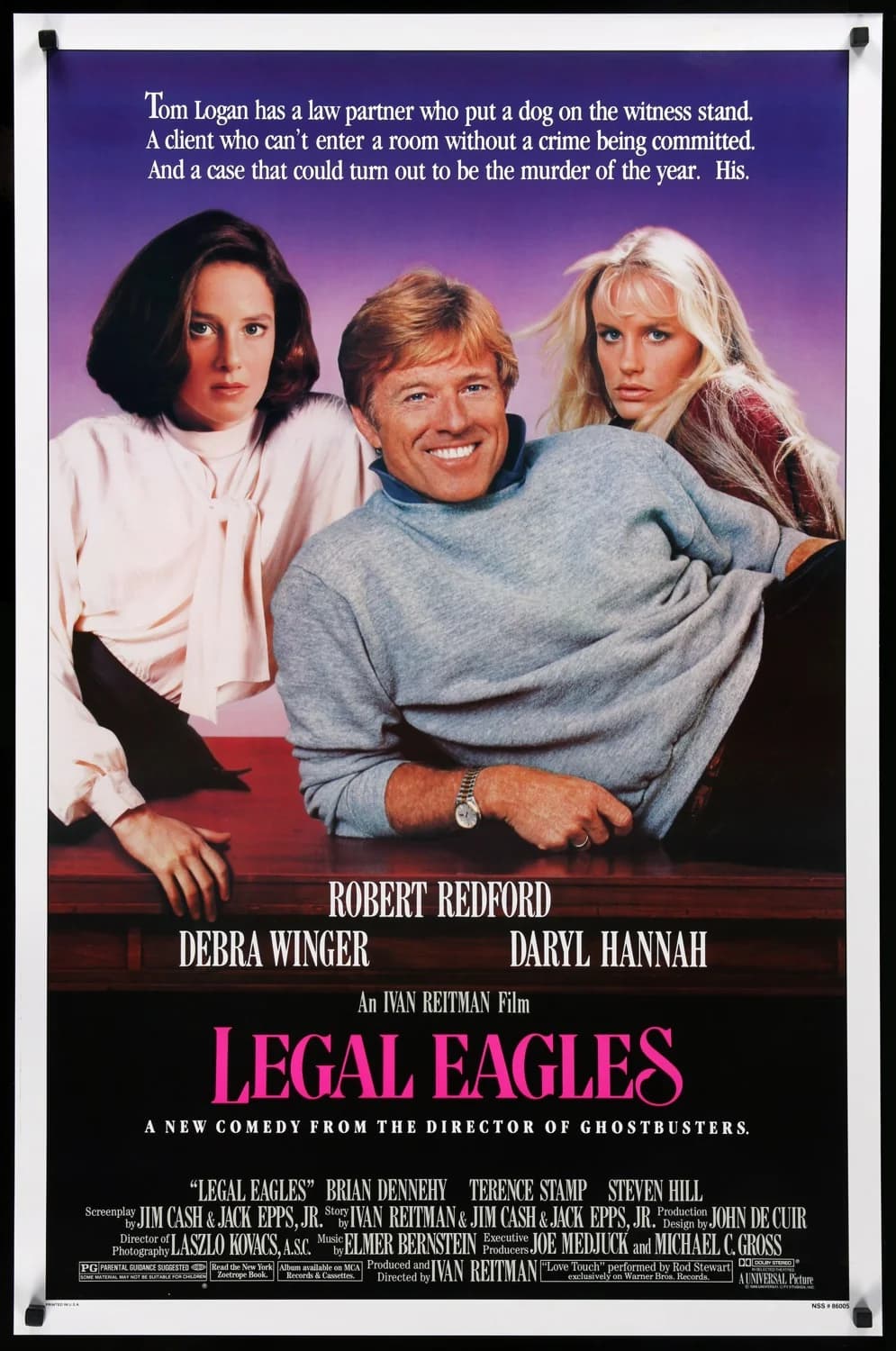
1986
Legal Eagles
Legal Eagles: loss and family, and why this 1986 movie still matters.
Read our take →
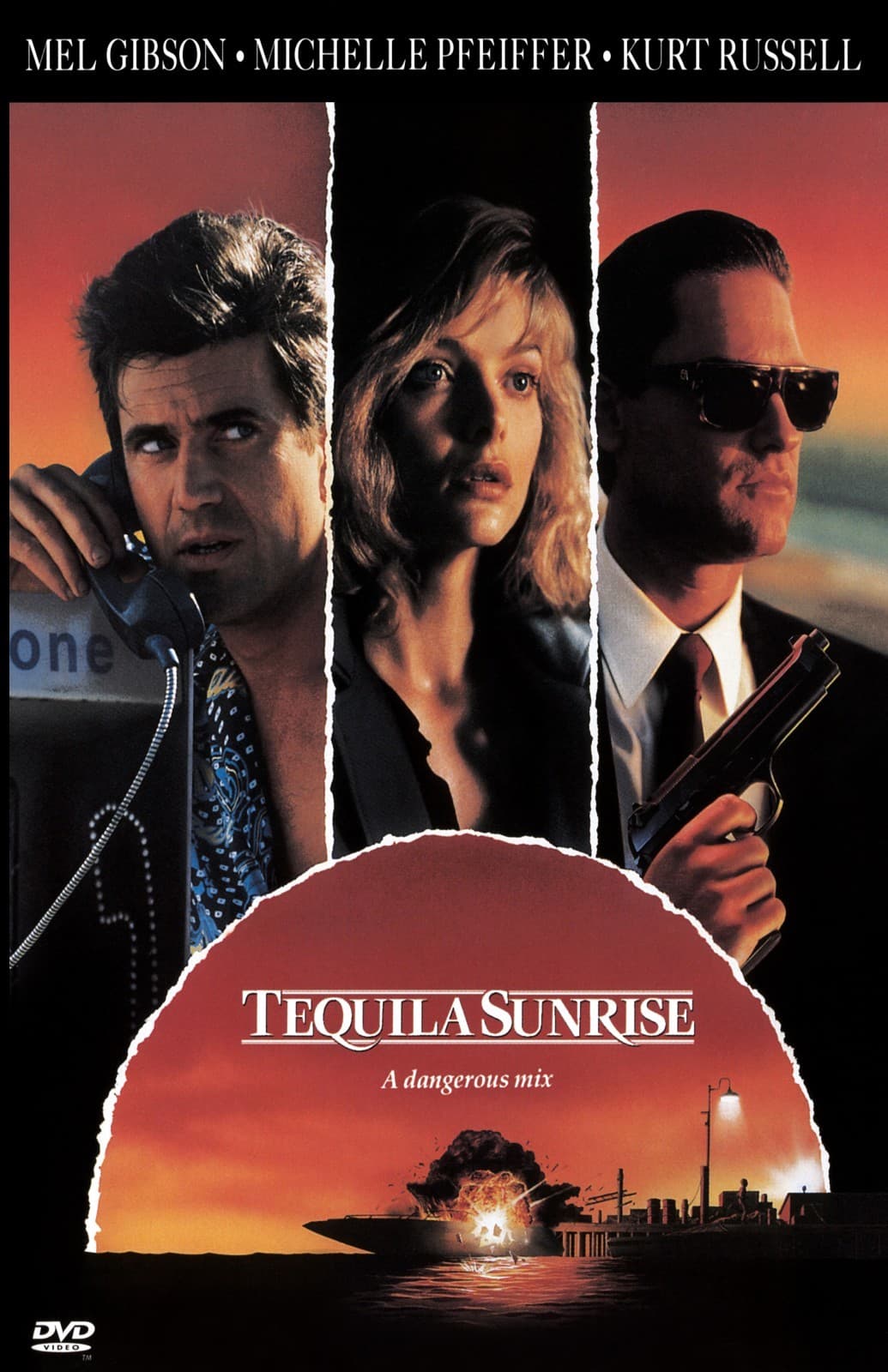
1988
Tequila Sunrise
Tequila Sunrise: love and the safety of home, and why this 1988 movie still matters.
Read our take →