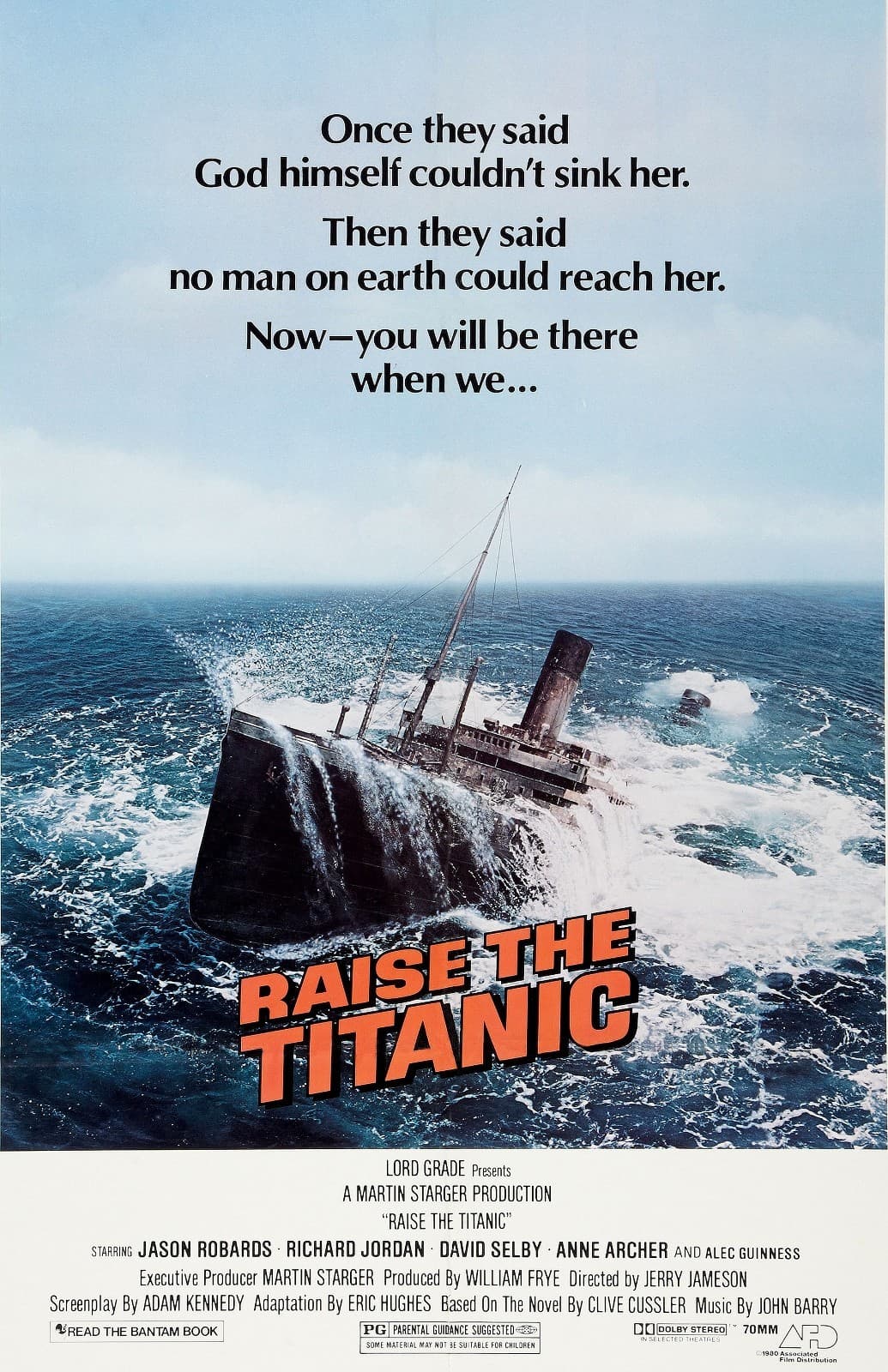
The setup
Raise the Titanic arrived in 1980, directed by Jerry Jameson. In the wilds of Northern Siberia during the Cold War, an American spy breaks into an old, snow-covered mine, where he discovers the frozen body of a U.S. Decades later, it is worth looking at why the film still connects with audiences.
THE MOVIE
Dirk Pitt is still the reason this movie works
Raise the Titanic was released in 1980 and directed by Jerry Jameson. Rather than simply retelling the plot, the film is worth revisiting for the characters, conflicts and ideas that give its story its identity.
Exploitation emerge through what the characters face and the choices they make, giving the story more to explore beyond its immediate plot.
Dirk Pitt, Admiral James Sandecker and Gene Seagram do not begin the film seeing one another clearly, and watching those first impressions break down is a big part of why Raise the Titanic still works.
THE SETUP
The idea that sets Raise the Titanic in motion
In the wilds of Northern Siberia during the Cold War, an American spy breaks into an old, snow-covered mine, where he discovers the frozen body of a U.S.
Army sergeant next to a wooden marker dated 10 February 1912. That detail matters because it shapes the way the characters initially see one another.
Using a Geiger counter, the spy discovers that byzanium, a fictional highly-radioactive mineral that could be used in nuclear warfare, was mined there. From there, the film can concentrate less on explaining the setup and more on what happens between the people inside it.
The spy is quickly discovered and chased out of the mine by a Soviet soldier, who shoots him in pursuit.
discovers that the mine was operated by Americans and that the raw byzanium ore found there was to be sent back to the United States.
The byzanium was packaged into wooden shipping boxes by an American named Brewster and loaded on board the Titanic, which sank on its maiden voyage on 15 April 1912.
Pitt travels to speak with John Bigalow, a deckhand on the Titanic who was the last person to see Brewster alive.
Bigalow claims that he locked Brewster in the vault containing the shipping boxes minutes before the ship sank and that his last words were "Thank God for Southby!" When Pitt returns, he proposes a salvage mission to locate the wreck of the Titanic and raise it out of the ocean so they can find the byzanium before the Soviets can.
THE CHARACTER
Why Dirk Pitt matters
Richard Jordan plays Dirk Pitt. The Soviet soldier is then shot and killed by adventurer and government operative Dirk Pitt, who rescues the spy and takes him back to Washington, D.C.
Some time later, both Pitt and Seagram visit the grave and confirm the mineral is indeed buried there.
THE PERFORMANCE
Why Admiral James Sandecker matters
Jason Robards plays Admiral James Sandecker. Pitt and Admiral James Sandecker propose the plan to the president, who agrees and puts Pitt in charge of the operation.
Soviet diplomat Andre Prevlov discovers the plan and leaks the story to the press, forcing Sandecker to hold a press conference about why the Titanic is being raised.
UNDER THE SURFACE
Raise the Titanic has more on its mind than the plot suggests
Raise the Titanic has more on its mind than the basic setup suggests. exploitation sits close to the centre of the film, but it is explored through the characters rather than treated like a lesson.
PURE 80S
Raise the Titanic could not belong to any other decade
Raise the Titanic could hardly be separated from the decade that produced it. Released in 1980, it carries the attitudes, style and filmmaking rhythms of the 1980s without needing to announce them.
It also sits comfortably within the era's action, adventure and science fiction filmmaking, even if the movie itself is more interesting than any single genre label suggests.
That is part of why it still appears in conversations about Raise the Titanic 1980 and 1980s movies. The film has become tied not only to its own story but to the wider memory of what 1980s movies felt like.
WATCHING IT NOW
What has aged — and what hasn't
Watching Raise the Titanic now means seeing both what has lasted and what unmistakably belongs to 1980.
What still works best is the human material. Ideas around exploitation have not stopped being relevant simply because the clothes, language and cultural references belong to another era.
Some moments inevitably land differently for a modern audience. Revisiting an older film properly means enjoying what still works without pretending every choice has aged equally well.
THE LEGACY
Why Raise the Titanic still matters
A large part of that staying power comes from the characters. Dirk Pitt, Admiral James Sandecker and Gene Seagram are still useful shorthand for the personalities and pressures the film explores.
Raise the Titanic has lasted because people continue to recognise something in it. Nostalgia helps, but nostalgia alone does not keep a movie in the conversation for decades.
THE VERDICT
Does Raise the Titanic still hold up?
So, does Raise the Titanic still hold up? Yes — although watching a film from 1980 honestly means accepting that not every moment will land exactly as it once did.
The film still has something recognisable to say about exploitation, and its characters stop those ideas from feeling abstract.
Raise the Titanic remains worth revisiting because characters such as Dirk Pitt, Admiral James Sandecker, Gene Seagram, Dana Archibald and John Bigalow still feel like people rather than labels once the film gets underneath the stereotypes.
Share this movie
Keep watching
More movies from the 80s
1980
Battle Beyond the Stars
Battle Beyond the Stars: fear and family, and why this 1980 movie still matters.
Read our take →
1980
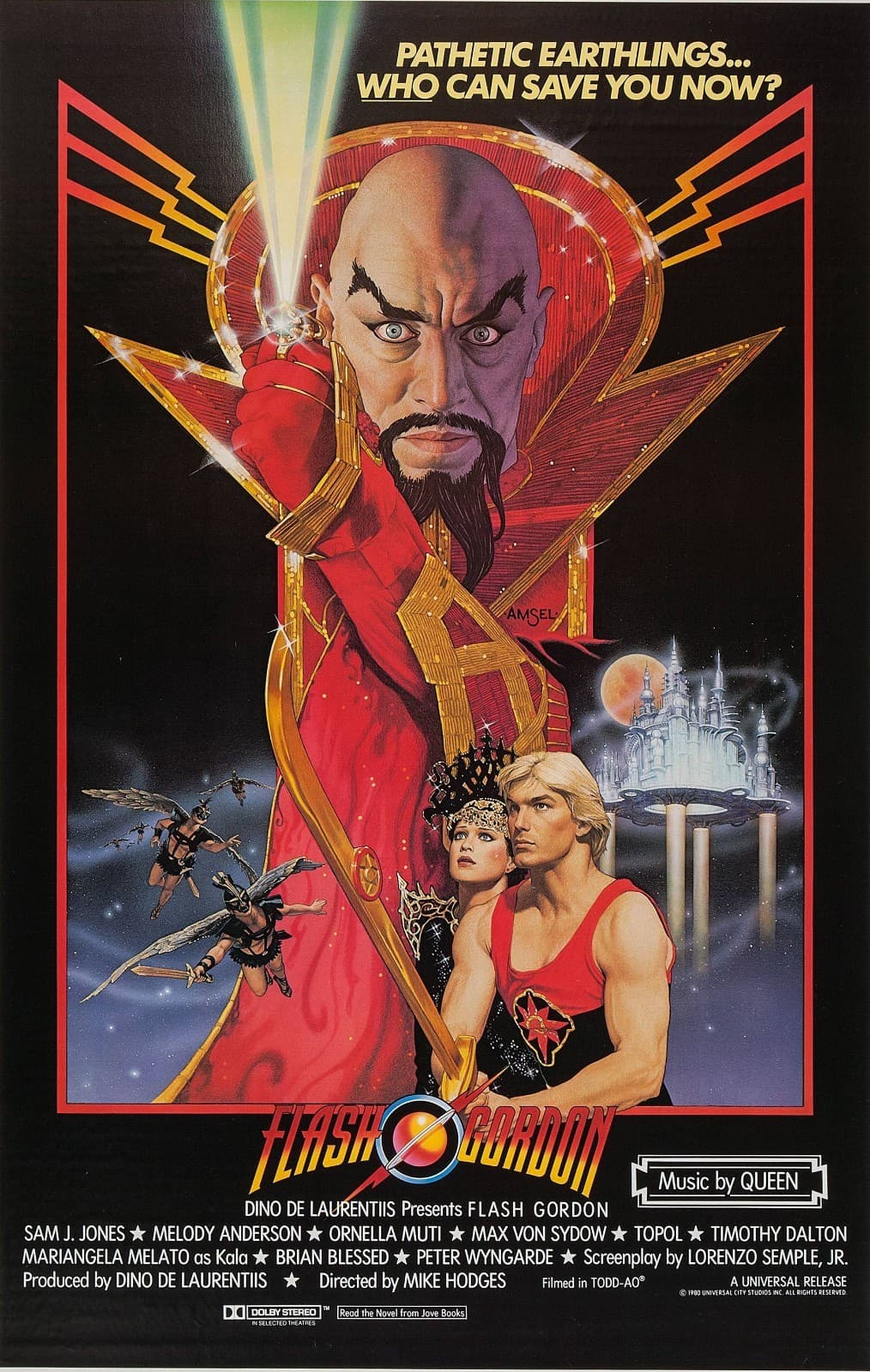
Flash Gordon
Brash heroics, operatic spectacle and a Queen soundtrack — Flash Gordon wears its pulp heart on its sleeve.
Read our take →
1980
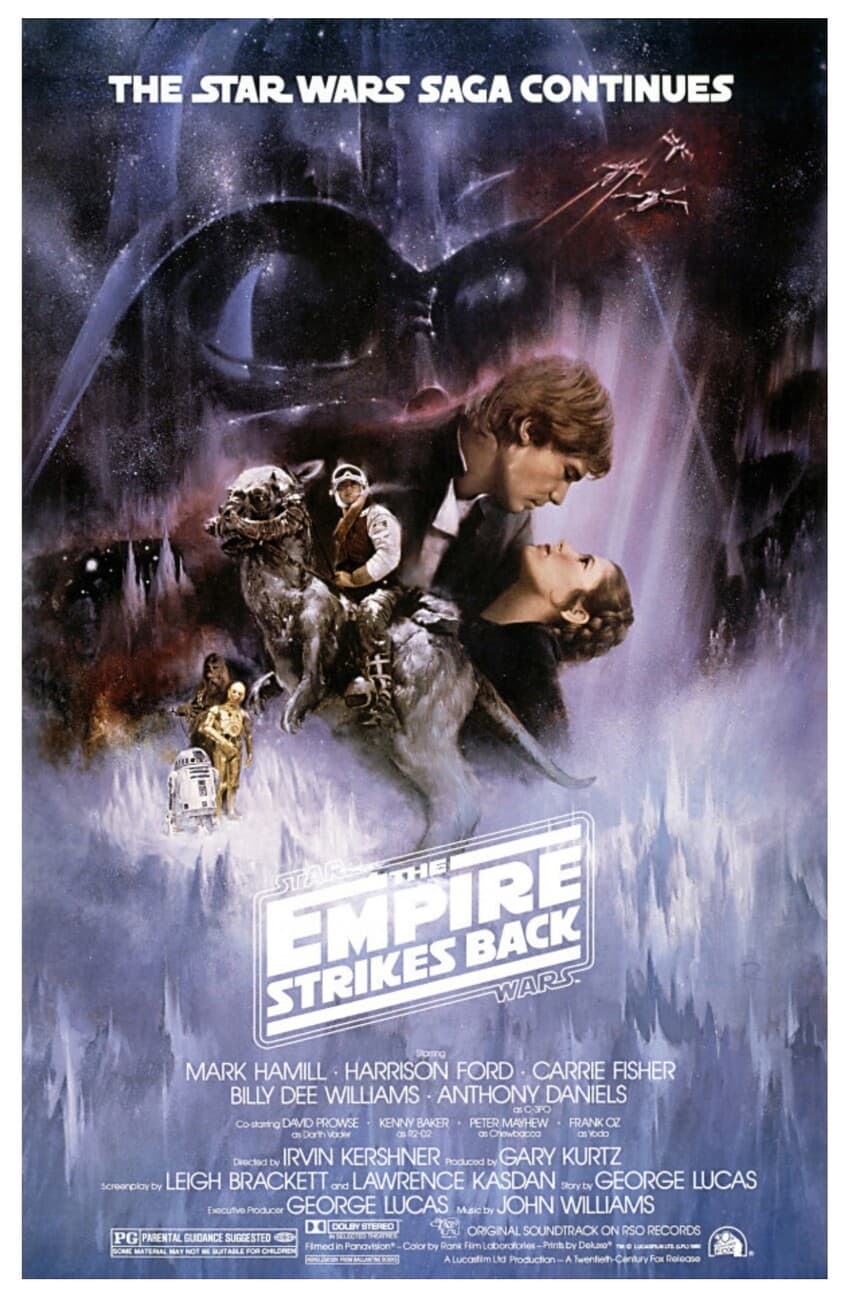
Star Wars: Episode V – The Empire Strikes Back
A harsher lesson in heroism: mentorship, bad luck and the cost of growing up in a galaxy far, far away.
Read our take →