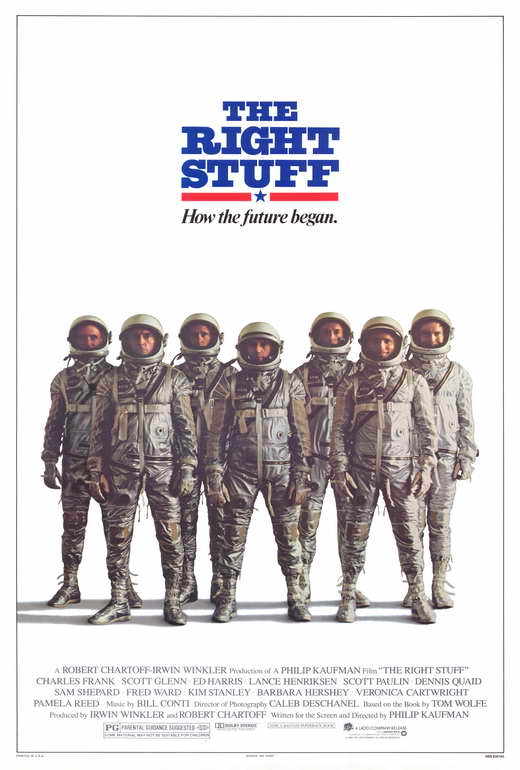
The Right Stuff
A lone test pilot, a public spectacle — and the stubborn shape of American heroism.
The setup
Philip Kaufman’s The Right Stuff trades launchpads for character: it begins with a single, private triumph and then watches how spectacle rewrites courage. By pairing Chuck Yeager’s dirt‑tested world with the Mercury astronauts’ sudden celebrity, Kaufman turned a history book into something that still feels like an argument about fame, risk and who gets called a hero.
THE MOVIE
Chuck Yeager is still the reason this movie works
The Right Stuff doesn’t open with a ticker‑tape parade. It opens with a plane and a quiet, almost private victory: Chuck Yeager breaking the sound barrier. That sequence does more than thrill — it sets the film’s stubborn tonal argument: heroism isn’t always publicity-friendly.
Philip Kaufman adapts Tom Wolfe’s account of the early U.S. space effort by pairing Yeager’s lone, taciturn test‑pilot career with the Mercury Seven’s leap from secrecy into public spectacle. The contrast lets the film examine not just achievement but how achievement is packaged and sold.
It helps that the film treats those binaries seriously. Sam Shepard plays Yeager, and the production went to the trouble of building exact aircraft and capsule replicas so the world on screen feels physically real rather than politely stagey. That kind of attention makes the film’s questions about myth and media feel lived‑in.
THE SETUP
The idea that sets The Right Stuff in motion
At its simplest, The Right Stuff follows the rituals that turn test pilots into astronauts — recruitment, testing and the odd private hazing that separates the one‑in‑a‑thousand from the rest. Those rituals are the engine that pushes the ensemble from secrecy into celebrity.
The film’s drama rests less on a single plot twist and more on watching systems collide: individual pilots, formed by dirt, danger and seat‑of‑the‑pants skill, bump up against a programme that wants teamwork, technology and PR-ready faces.
That conflict — rugged individualism versus institutional procedure — gives Kaufman something to dramatise beyond dates and launches. It’s why the Mercury portion is as interested in press conferences and polish as it is in rockets.
Critics singled out Kaufman’s decision to interweave Yeager’s test‑pilot story with the Mercury narrative, and that structural choice is what keeps the movie from being a straightforward historical recap. Instead, it becomes a conversation between two very different kinds of courage.
THE CHARACTER
Why Chuck Yeager matters
Yeager isn’t the loudest man in the movie. He’s the weathered one. Sam Shepard plays him as the archetypal taciturn test pilot — the sort who treats danger like a tool, not a story. That temperament gives the film a baseline of authenticity.
More importantly, Yeager acts as a counterweight. While the Mercury crew are being made into symbols, Yeager represents a kind of practical heroism: achievement without the PR machine. The film keeps returning to him because he resists being easily marketed.
That resistance is underlined by tangible filmmaking choices. The production built an exact replica of Yeager’s Bell X‑1 so the breaking‑the‑sound‑barrier sequence feels like a physical event, not a filmic convenience. It roots the character’s legend in something you can almost touch.
And Yeager’s role matters to the ensemble: the film centres both on test pilots and the Mercury Seven, but it’s Yeager’s stubborn realism that stops things tipping entirely into celebrity biography.
UNDER THE SURFACE
The Right Stuff has more on its mind than the plot suggests
On the surface it’s history and adventure: airplanes, tests, capsules and launches. But the film is quietly occupied with how stories of heroism are manufactured. Myth‑making isn’t a side note here — it’s the drama’s subject.
A second, closely related idea is media and publicity in science. The Mercury astronauts are remade from engineers and pilots into national symbols, and the movie watches that repackaging with clear, sometimes wry interest.
Then there’s the friction between individualism and institutional teams. The test pilots are portrayed as dirt‑tested mavericks; the astronaut programme wants predictable, repeatable systems. That tension between lone skill and organised reliability drives a lot of the conflict.
Risk and occupational culture complete the set of concerns. The film treats danger as a professional habit — something men live with, talk around and institutionalise — which lets it ask whether society should celebrate the risk taker or the system that manages the risk.
THE FILMMAKING
How The Right Stuff was put together
Kaufman’s organising trick — letting Yeager’s story sit beside the Mercury narrative — is as much a directing choice as a structural one. Contemporary response picked up on that interweaving because it turned a potentially sprawling history into a series of human decisions.
The film’s craft was also noticed where it counts. It picked up several Academy Awards in technical fields, a sign that the film’s architecture was judged as much on how it felt as what it recounted.
Praise for the editing and Bill Conti’s music was common in contemporary criticism, which is telling: those are the invisible parts that control pace and emotion across nearly three hours of material.
So the identity of The Right Stuff comes from a blend of structural daring and old‑fashioned technical polish — a studio‑scale effort that wanted both scale and intimacy.
PRACTICAL EFFECTS
The effects work that gives The Right Stuff its physical personality
The Right Stuff leans on real‑world hardware to sell its world. For Yeager’s sound‑barrier flight the production built a replica of the Bell X‑1 so the action reads like a reenactment rather than a model shot.
For the astronaut sequences the filmmakers went to NASA’s molds and blueprints to produce full‑size Mercury capsule duplicates. That decision keeps the film feeling tactile — capsules that look and move like the real thing.
The production also used actual aircraft where it could. Two F‑104 Starfighters were loaned by the Federal Republic of Germany to stand in for the NF‑104 required in high‑altitude scenes, and a B‑29 Superfortress from a warbird collection supplied period aerial presence.
All those choices add up. When you can see the seams and rivets on a cockpit, the choices characters make about danger and procedure begin to feel grounded in material fact rather than theatre.
PURE 80S
The Right Stuff could not belong to any other decade
Released in late 1983, Kaufman’s film arrived at a moment when America was rethinking its relationship with space. Public interest in astronauts and their place in public life was already a discussion topic — the movie joined that conversation rather than inventing it.
At the same time, Hollywood in the early 1980s was willing to back ensemble historical dramas that tried to be both adult and popular. The Right Stuff fits that pattern: a mid‑budget prestige picture with technical ambition and a cast built around a communal narrative.
Its production scale — neither shoestring nor extravagantly lavish — is telling. The film tried for authenticity and breadth within the kind of studio economics common at the time, which made thorough practical work a practical necessity.
So the movie feels of its moment because it mixes studio seriousness with a cultural appetite for stories about national achievement, publicity and the cost of heroism.
THE LEGACY
Why The Right Stuff still matters
Part of the film’s afterlife is concrete: it earned eight Academy Award nominations and won four Oscars in technical categories. Those wins underline the craft behind the storytelling.
Another mark of staying power is institutional recognition: the Library of Congress added the film to the National Film Registry in 2013, a formal stamp that this is a picture considered worth preserving.
The fact that the material returned in a 2020 TV adaptation also speaks to continued interest in the subject matter — not necessarily the film’s dominance, but the story’s ongoing cultural relevance.
So its legacy is a tidy mix of technical respect, archival recognition and the fact that its story keeps getting carried forward in new forms.
THE VERDICT
Does The Right Stuff still hold up?
Yes — but with a small rider. If you want a tidy, action‑movie take on space, this isn’t it. If you want a serious, character‑driven rumination on how societies decide who to celebrate, then The Right Stuff still rewards patience.
Kaufman’s decision to open with Yeager and to let recruitment rituals and testing provide narrative momentum keeps the film focused. The repeated contrast between a single, dirt‑tested pilot and the astronaut programme’s publicity machinery remains the movie’s clearest insight.
The film’s craft helps sell that insight: it won multiple Academy Awards in technical categories, and the score and editing are commonly singled out in criticism as central to its rhythm. Sam Shepard’s casting as Yeager — noted at the time with an Oscar nomination — also reinforces the film’s insistence on a quieter kind of heroism.
So watch it for the argument more than for spectacle. It’s a movie that still asks useful questions about myth, media and what we call bravery — and it feels built to keep you thinking once the credits start.
Share this movie
Keep watching
More movies from the 80s
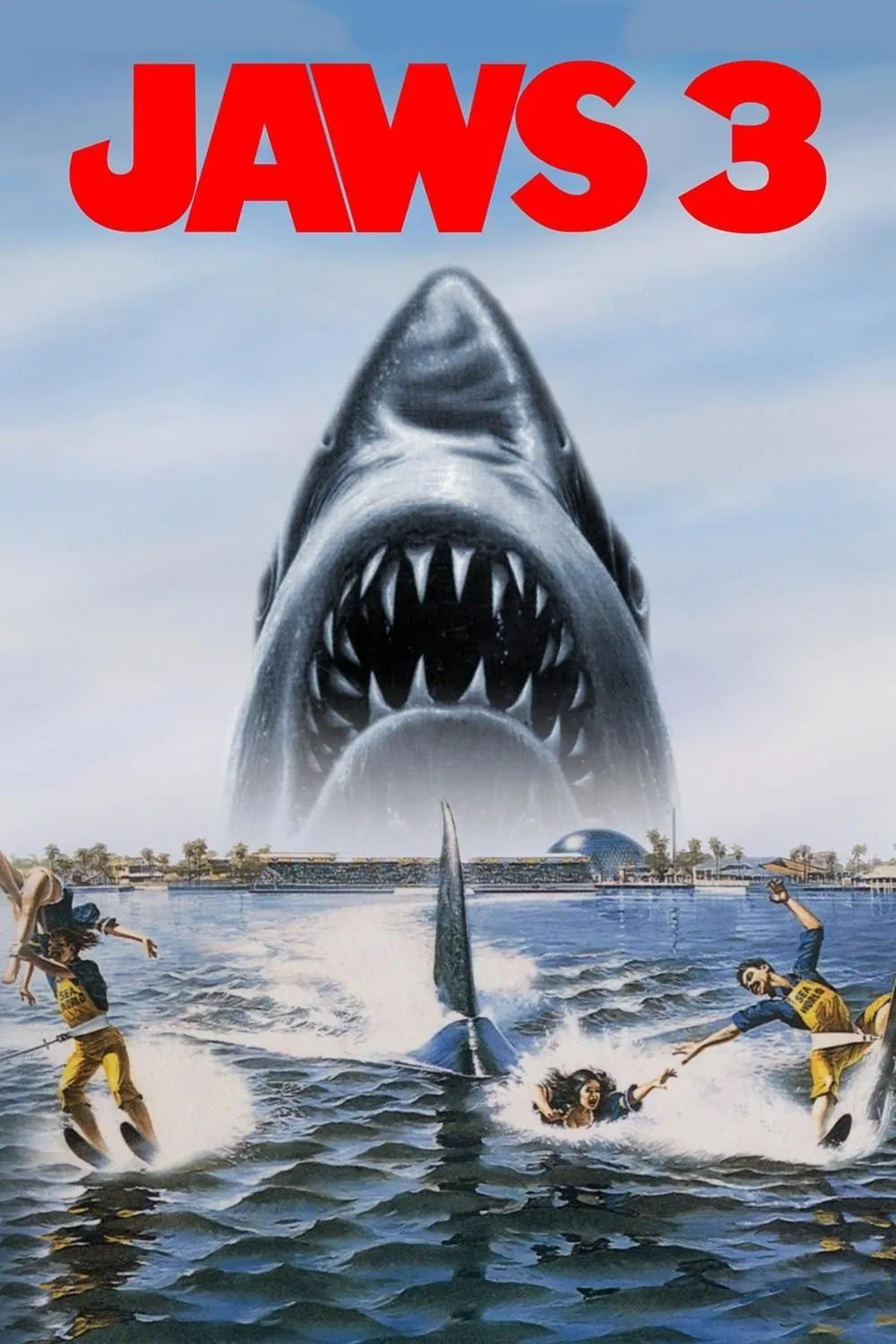
1983
Jaws 3-D
Jaws 3-D: freedom and authority, and why this 1983 movie still matters.
Read our take →
1984
2010: The Year We Make Contact
2010: The Year We Make Contact: our relationship with technology and humanity, and why this 1984 movie still matters.
Read our take →
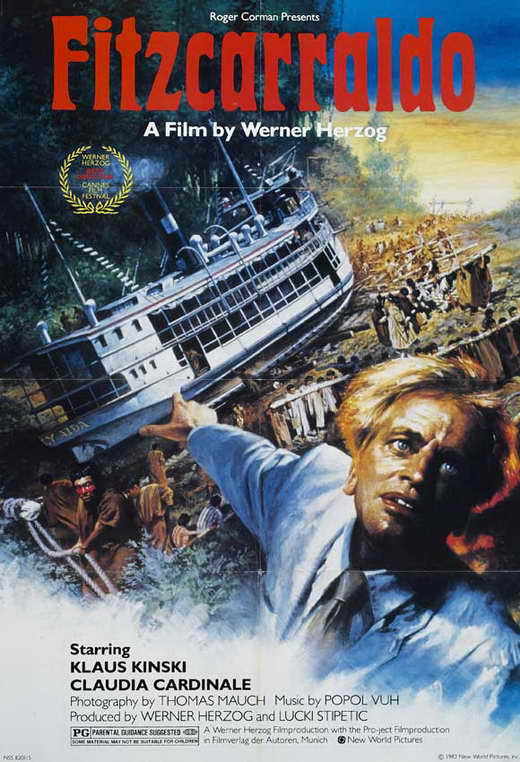
1982
Fitzcarraldo
Fitzcarraldo: belief in the supernatural and exploitation, and why this 1982 movie still matters.
Read our take →