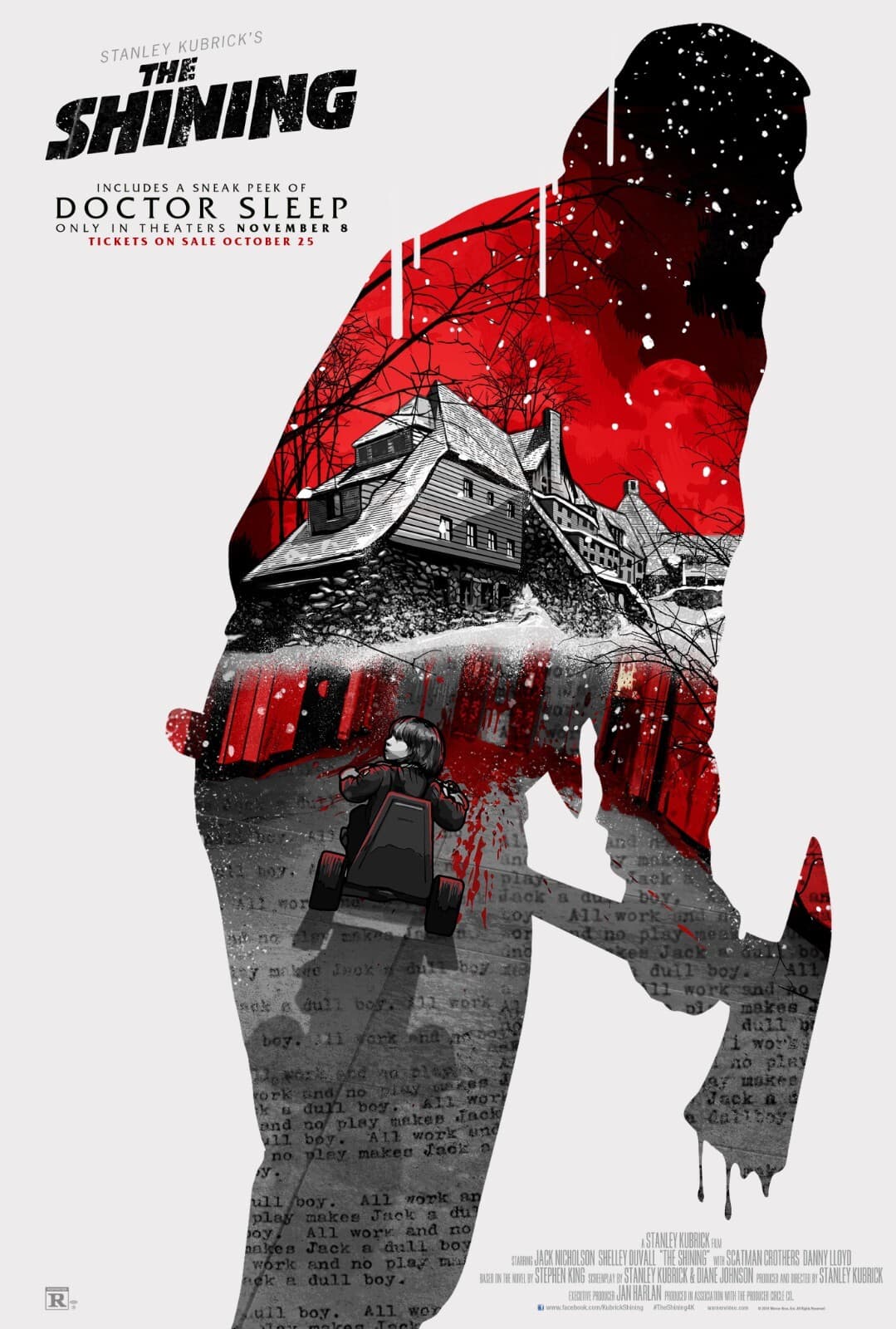
The setup
There aren’t many films where a family’s holiday job turns into a slow, combustible experiment in what happens when loneliness meets history. Stanley Kubrick’s The Shining stages that meeting like a patient surgeon: methodical, precise and occasionally unbearable. Rewatching it is less about jump scares and more about watching a house and a man trade confidences until only one of them remains sane.
THE MOVIE
Jack Torrance is still the reason this movie works
The Shining is, on the surface, an old-fashioned set-up: a family moves into an isolated hotel for the winter so a father can take a caretaker job and try his hand at writing. That arrangement — long stretches of togetherness, enforced quiet, the blank page — is practically invitation enough for trouble.
What complicates the domestic tension is Danny’s ability, called "the shining," which links him telepathically to Dick Hallorann, the hotel’s cook. It gives the film a private line into the Overlook’s past and lets a child’s impressions carry the kind of weight normally reserved for exposition or a narrator.
And at the centre of all this is Jack Torrance: outwardly friendly, an aspiring writer with a history of drinking and a temper that provides the combustible material for the story’s unravelling. Kubrick directs the whole thing with the kind of certainty that makes the hotel feel less like scenery and more like a character that remembers every guest.
THE SETUP
The idea that sets The Shining in motion
At its most basic, the film sets a simple cause-and-effect in motion: Jack takes the winter caretaker job at the Overlook and brings his wife Wendy and son Danny with him. The hotel is remote; the winter is long. That’s the production-story incitement that allows everything else to happen.
The set-up works because the location is not neutral. Being alone in a place that has its own history — photographs, a grand ballroom, rooms that people whisper about — means the family never quite start from zero. The Overlook carries baggage into every scene.
Danny’s visions and psychic impressions are not merely spooky set dressing: they are a practical story engine. They reveal what the Overlook has stored away and give the audience access to horrors that might otherwise be explained away.
Kubrick and his collaborators also made deliberate choices about what to keep from Stephen King’s novel and what to change. Some elements from the book are left out; others are reshaped into on-screen set pieces. Those choices help the film become its own thing rather than a faithful transcription.
THE CHARACTER
Why Jack Torrance matters
Jack Torrance is the hinge on which the movie turns. He arrives as an outwardly affable man and writer but carries a history — alcoholism and flashes of temper — that the Overlook doesn’t need to invent. It only needs to be patient.
That patience is the cruellest thing about the film. Given time and the hotel’s own strange insistences, Jack’s personal failings are gradually exposed and amplified until family life becomes a contest between a man’s worst impulses and a place that remembers every bad decision.
Wendy’s role frames Jack’s trajectory. She’s protective and increasingly terrorised as his behaviour changes, which gives the film its domestic stakes: this is not grand horror for horror’s sake, but one family’s slow unravelling.
Put simply: the film isn’t only about ghosts. It’s about what happens when a history of violence and addiction meets isolation, and how a family contract strains and sometimes snaps under that pressure.
UNDER THE SURFACE
The Shining has more on its mind than the plot suggests
There are straightforward horror pleasures here, but beneath them the film keeps returning to a small set of ideas: isolation, the slipperiness of identity and how places keep their own memories. The Overlook is not a neutral backdrop — it is a storehouse of past events that arrive like postcards to the present.
Descent into madness is less a supernatural takeover than a pressure test. Jack’s character makes that collapse believable: his past matters. The hotel supplies stimuli; Jack supplies the combustible material. Together they create a collapse that feels, chillingly, plausible.
The psychic inheritance — Danny’s shining — gives the film an emotional line between people who are otherwise alone. It links the boy to Hallorann and to the hotel’s past, turning private visions into shared warnings.
And finally, domestic violence and family breakdown are never abstract here. They are rooted in the ordinary seams of family life: a temper flares, a child is frightened, a spouse must make impossible choices. That domestic reading keeps the film tethered to something recognisable in the real world.
THE FILMMAKING
How The Shining was put together
One reason the Overlook feels like a living place is practical: production designer Roy Walker built unusually complete hotel interiors at Elstree. These were not suggestive corridors; they were whole rooms and passageways that let the camera move freely.
That freedom of movement matters because the film often asks the audience to follow. The sets were constructed to allow continuous camera motion in multiple directions, so the hotel reads as a coherent, inhabitable space rather than a series of cut-together locations.
You can feel the thinking behind that decision. When a sequence follows a child through corridors for several uninterrupted beats, the world gains weight. The architecture isn’t merely background; it becomes part of the story’s logic.
Kubrick’s practical choices — building scope, commitment to long takes and spatial continuity — are part of how the film produces its atmosphere. The filmmaking makes isolation look inescapable because the camera can always show you the route someone took to get lost.
PRACTICAL EFFECTS
The effects work that gives The Shining its physical personality
Kubrick’s team did much of the film’s shaping with tangible, built things. For exterior action they didn’t puppet a hedge on screen — they constructed a full-scale hedge maze on the Elstree backlot.
That maze is smart casting as a set-piece. It’s a physical obstacle and a metaphor: a place that can disorient even the most confident person. Making it a real, walkable maze lets scenes play out without the audience having to pretend the actors are truly lost.
Similarly, choosing to create the Overlook’s interiors on soundstages — rather than using a single real hotel’s rooms — gave the filmmakers control. The spaces could be shaped precisely for camera movement and narrative needs.
Those are practical decisions with storytelling effects. When architecture is concrete and navigable, it alters how characters move and how viewers experience their choices, which is crucial in a story about being trapped by memory and place.
PURE 80S
The Shining could not belong to any other decade
Although it opened in 1980, The Shining sits at a particular tipping point in cinema history: a moment when established directors were willing to blend high production values with genre material. Kubrick’s film is a neat example of that experimental, late‑1970s/early‑1980s creative moment.
Part of its period personality comes from technique as much as theme. The film helped demonstrate creative uses of the Steadicam in mainstream cinema, letting the camera float through space in ways that felt newly intimate and unnerving.
That technical bravura mattered to critics and audiences at the time. When it opened in New York and Los Angeles in May 1980, responses were mixed: many praised its visual and technical accomplishments while finding the narrative tone and emotional distance harder to pin down.
So the film is of its moment because it reflects what the era was trying to do: bring genre under serious, craft-driven direction and treat horror as a vehicle for formal experimentation, not just cheap thrills.
THE LEGACY
Why The Shining still matters
More than three decades after its release, The Shining received formal recognition when it was selected for preservation in the U.S. National Film Registry in 2018, a signal that institutions consider it worthy of safeguarding for its cultural, historical or aesthetic value.
But the film’s afterlife isn’t only institutional. Stephen King’s own dissatisfaction led to another adaptation and to ongoing debates about fidelity, interpretation and what a good book-to-film translation should look like.
That debate extends to later filmmakers too. Doctor Sleep’s engagement with Kubrick’s movie shows how subsequent work can build on, reply to or reinterpret an earlier film — and how The Shining remains a touchstone in conversations about horror, adaptation and sequelhood.
So its legacy is twofold: preserved by institutions and kept alive in argument and creative response. Both are, in their own ways, a sign that the film still prompts strong reactions and continued attention.
THE VERDICT
Does The Shining still hold up?
Yes — but not for the reasons some viewers expect. The Shining isn’t chiefly a catalogue of jumps or special‑effects set pieces; it is a study of what happens when a man with a fragile past is left in enforced solitude inside a building that keeps returning images and stories to him. If that premise interests you, the film remains compelling.
Danny’s psychic gift works on two levels: it supplies genuine mystery and it anchors the plot by connecting the family to the Overlook’s buried history. That device keeps the film from feeling like mere spectacle and gives it narrative threads that reward attention.
Kubrick’s choices — reshaping elements of King’s novel, substituting new set-pieces such as the hedge maze and building the Overlook interiors to move the camera through them — are practical decisions that serve the film’s particular mood. These are not arbitrary flourishes but deliberate moves to shape suspense and disorientation.
If you’re prepared for a film that favours atmosphere, design and psychological unraveling over tidy answers, it’s worth watching. The Shining asks you to be patient, and if you allow it, it will quietly rearrange how you think about memory, place and the damage people carry inside them.
Featured in
Explore more about The Shining
Share this movie
Keep watching
More movies from the 80s
1980
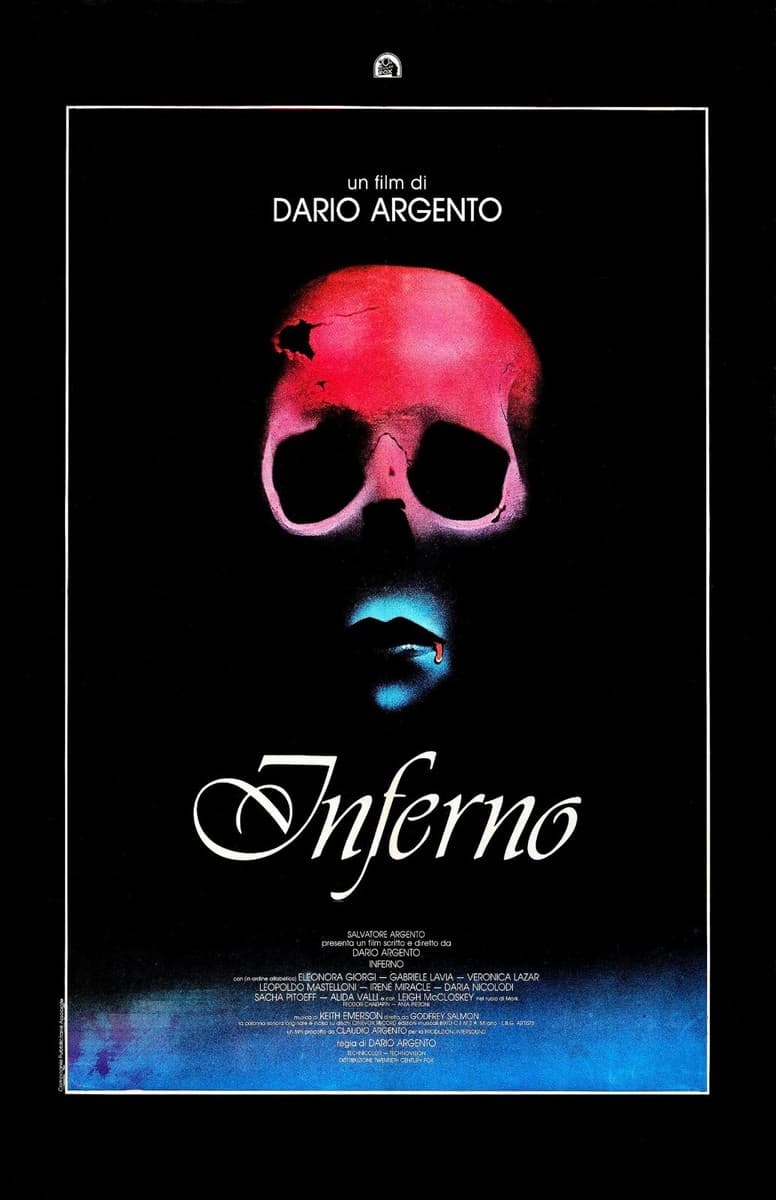
Inferno
Inferno: mortality and mortality and lifespan, and why this 1980 movie still matters.
Read our take →
1980
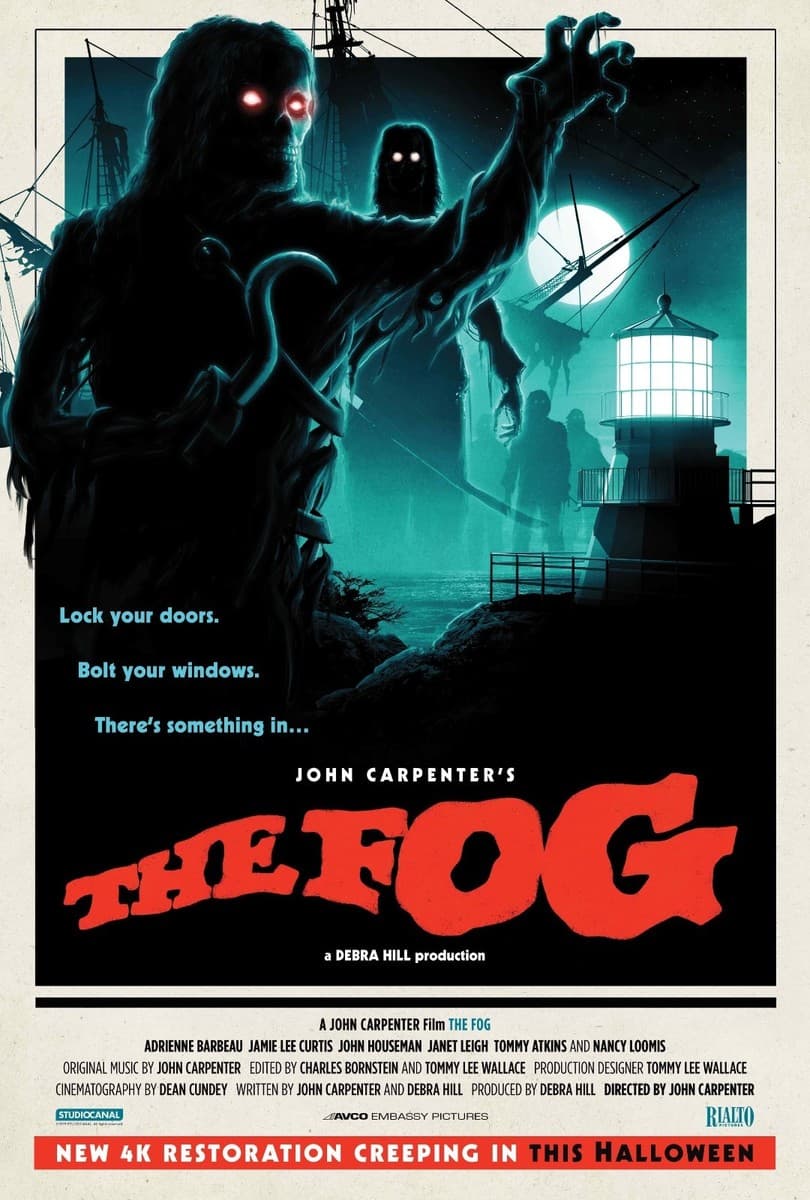
The Fog
A radio voice, a lighthouse and a sea of revenge — Stevie Wayne stands between Antonio Bay and the fog.
Read our take →

1981
Ms. 45
Ms. 45: family and the safety of home, and why this 1981 movie still matters.
Read our take →