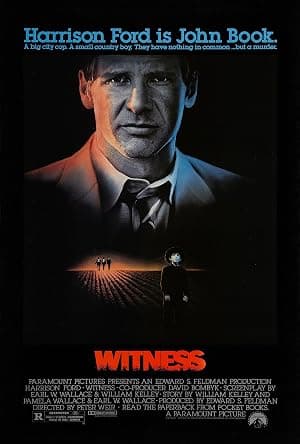
The setup
Witness still feels like a very particular kind of 80s picture: a thriller that keeps one foot in the city and the other awkwardly, insistently, on a Lancaster County farm. It’s the sort of movie that keeps you watching because you want to know how a hardened detective will survive an alien moral code — and because you’re quietly curious whether the farm can survive him. Peter Weir made a film that asks what happens when violence meets a community committed to refusing it.
THE MOVIE
John Book is still the reason this movie works
At the centre of Witness is a basic, brutal hook: an eight-year-old Amish boy, Samuel Lapp, sees a murder in a Philadelphia station bathroom and the detective who takes responsibility for him is shoved into a world that couldn’t be less like his own. The mechanics — a child witness, a violent crime, the decision to shelter him inside a closed religious community — are tidy. The interesting bit is what that setup forces on the people involved.
John Book is a city cop whose job is straightforward until it isn’t. He moves from chasing criminals on Philadelphia streets to keeping a child safe amid pacifist neighbours who mistrust his instincts. The culture clash between modern urban violence and the Amish commitment to nonviolence gives the film its friction, and the compromise between those values is what keeps the story alive.
Peter Weir directs, Harrison Ford plays the detective and Kelly McGillis is the widowed mother who will not let anything endanger her son. Released in 1985 and running just under two hours, Witness pairs crime-thriller beats with a surprisingly patient human drama — and that tonal gamble is why people keep coming back to it.
THE CHARACTER
Why John Book matters
John Book matters because he’s the film’s travelling conscience. He arrives as a hardened Philadelphia detective whose default tools are suspicion, force and procedural certainty. Then he has to do something he’s not trained for: protect a child inside a community that refuses to fight.
That shift — from policing the city to negotiating an alien way of life — is where the character becomes interesting. He’s not immediately converted; the relationship with Rachel Lapp is cautious and constrained, not cinematic love at first sight. It’s the slow, practical negotiations — protecting a boy, following a different set of rules, talking rather than shooting — that make Book more than a plot convenience.
Book also matters because he makes the moral questions tangible. He’s the man who has to figure out whether the only way to keep Samuel safe is to abandon some instincts he’s built his life on. That internal tug turns a straight crime story into something quieter and stranger.
Put simply: without Book, Witness would be a brisk thriller. With him, it becomes an argument in human form about redemption, responsibility and how someone used to the city learns to live by different rules.
THE PERFORMANCE
Why Harrison Ford's performance matters
Contemporary critics singled out Ford’s work as central to why the movie convinces you that a tough cop could plausibly become the guardian of an Amish child. Roger Ebert, in his reviews at the time, highlighted Ford’s work and placed it among his stronger recent outings.
That praise matters because the movie asks you to accept a fairly large behavioural shift in Book. If the actor playing him hadn’t supplied enough credibility, the film’s quieter scenes — the awkward conversations, the small reassessments — would collapse into cliché.
So when people say the film works, they usually mean the performances make the leap between genre and human drama believable. Ford’s turn is the hinge that holds that promise together.
UNDER THE SURFACE
Witness has more on its mind than the plot suggests
On the surface, Witness is a crime-thriller about a child who saw too much. Underneath, it’s a film about how two incompatible value systems collide and, imperfectly, learn from one another. The city’s default is suspicion and retaliation; the Amish reply with communal care and a strict refusal to meet violence with violence.
There’s also redemption in the air. Book’s time among the Amish nudges him into moral re-evaluation. The film lets you watch that unspooling without spelling out a neat conversion story; it’s more negotiation than revelation.
The tension between law and nonviolence is crucial. The detective represents an institution that can be compromised, and the community represents a principled alternative. Neither side is treated as a cartoon; instead the movie stages a practical debate about protection, responsibility and what it costs to keep innocence intact.
Finally, outsider integration is a running concern. Book is an outsider who must be accepted into a close-knit group if they are to protect Samuel. That acceptance isn’t easy or quick, but it’s believable precisely because the film takes the social mechanics of the community seriously.
THE FILMMAKING
How Witness was put together
There’s a clear craft at work in how Witness holds two tones at once — thriller and humane drama — and part of that is editing. Thom Noble’s cut of the film was recognised during awards season, earning the Academy Award for Film Editing, which tells you the construction of the story was important to how its ideas landed.
That editorial discipline helps the film breathe. Tight sequencing keeps the suspense moving while allowing quieter scenes to sit without being rushed. It’s a balancing act: too much speed and the moral questions feel tacked on; too much patience and the thriller engine stalls.
Peter Weir’s direction steers the whole thing. This was his first major Hollywood feature, and the film reads like a director used to thinking in human terms rather than pure spectacle — the choices favour character beats as much as plot turns.
So when Witness feels as if each scene has a clear purpose, that’s an achievement of craft as much as idea: careful editing, steady direction and a refusal to let genre mechanics drown out the people at the story’s heart.
PRACTICAL EFFECTS
The effects work that gives Witness its physical personality
Witness relies on practical, physical work rather than obvious digital trickery. AFI production credits record that documented stunt personnel and coordinators were used for the action sequences, which anchors the movie’s confrontations in something reliably physical.
There’s also a production footnote worth noting: records mention a special-effects supervisor, Chuck Dolan, whose omission from the on-screen credits led to an apology from the filmmakers. That sort of behind-the-scenes friction matters because it shows the production leaned on a team of technicians to make the action credible.
Those practical choices keep the film tactile. Close-quarters confrontations and setpiece business feel like things arranged and executed on the day, and that subtle reality helps the moral tensions land because the danger feels material, not schematic.
So while Witness is not an effects picture in the blockbuster sense, its reliance on real stunts and a credited effects department gives it a physical personality you can believe in.
PURE 80S
Witness could not belong to any other decade
Released in early 1985, Witness arrived at a moment when American studios were willing to trust filmmakers from outside Hollywood with mid-budget adult dramas. For Peter Weir, it marked a shift — his first major Hollywood feature and a clear transition into American studio filmmaking.
That transition shows in the film’s ambition: it’s a studio picture that still feels like a director’s film, a blend of commercial thriller mechanics and slower, character-led scenes. The awards season attention the movie received — including Oscars for screenplay and editing — underlines how it sat between popular appeal and serious filmmaking conversation.
The screenplay’s recognition is part of the film’s 80s identity: stories that tried to do more than pump action, blending genre with an interest in moral complexity. Witness sits comfortably in that middle ground.
Finally, its early-1985 release and the way it was received made it part of that year’s cinematic conversation — a thriller that expected viewers to engage with a moral argument as well as a plot.
THE LEGACY
Why Witness still matters
Part of Witness’s afterlife is plain: it was recognised at the Academy Awards, taking prizes for Best Original Screenplay and Best Film Editing while attracting multiple nominations. That gives the film a certain institutional recognition that keeps it in the conversation.
The AFI later included Witness on its 100 Years…100 Passions list, which flags how the film’s romantic strand — the careful, constrained relationship between Book and Rachel — continues to register alongside the thriller elements.
There’s also a small casting footnote that the film marks the feature debut of Viggo Mortensen in production records, a curiosity for viewers interested in early appearances of actors who later became better known.
Between awards recognition, a place in AFI’s passion list and production trivia, Witness keeps a stable, defensible presence in film history without needing exaggerated claims about cultural dominance.
THE VERDICT
Does Witness still hold up?
Yes — but with a small, important rider. Witness still works because its central stakes are simple and human: an eight-year-old saw a murder, and keeping him safe forces a hardened cop to learn different rules. That premise is durable; it doesn’t depend on trendy effects or a fragile gimmick.
The film’s strength is the way it stages the Lancaster farm as a test of John Book’s instincts. The period on the farm — the setpiece where urban policing collides with Amish nonviolence and communal life — is the movie’s moral playground, and it’s where the film earns its quieter moments and its emotional logic.
Performances were crucial to that success at the time: contemporary reviewers singled out the leads and praised Ford in particular, and that critical confidence still matters when you watch the film now because the story hinges on those people persuading you that change is possible.
So should you watch it today? If you like thrillers that are willing to slow down and argue — if you want a movie that mixes a detective story with a moral conversation about violence, protection and outsider integration — then Witness still pays off. It isn’t an unqualified masterpiece, but it is a well-crafted picture where a single character’s moral recalibration gives the whole thing its shape.
Share this movie
Keep watching
More movies from the 80s
1985
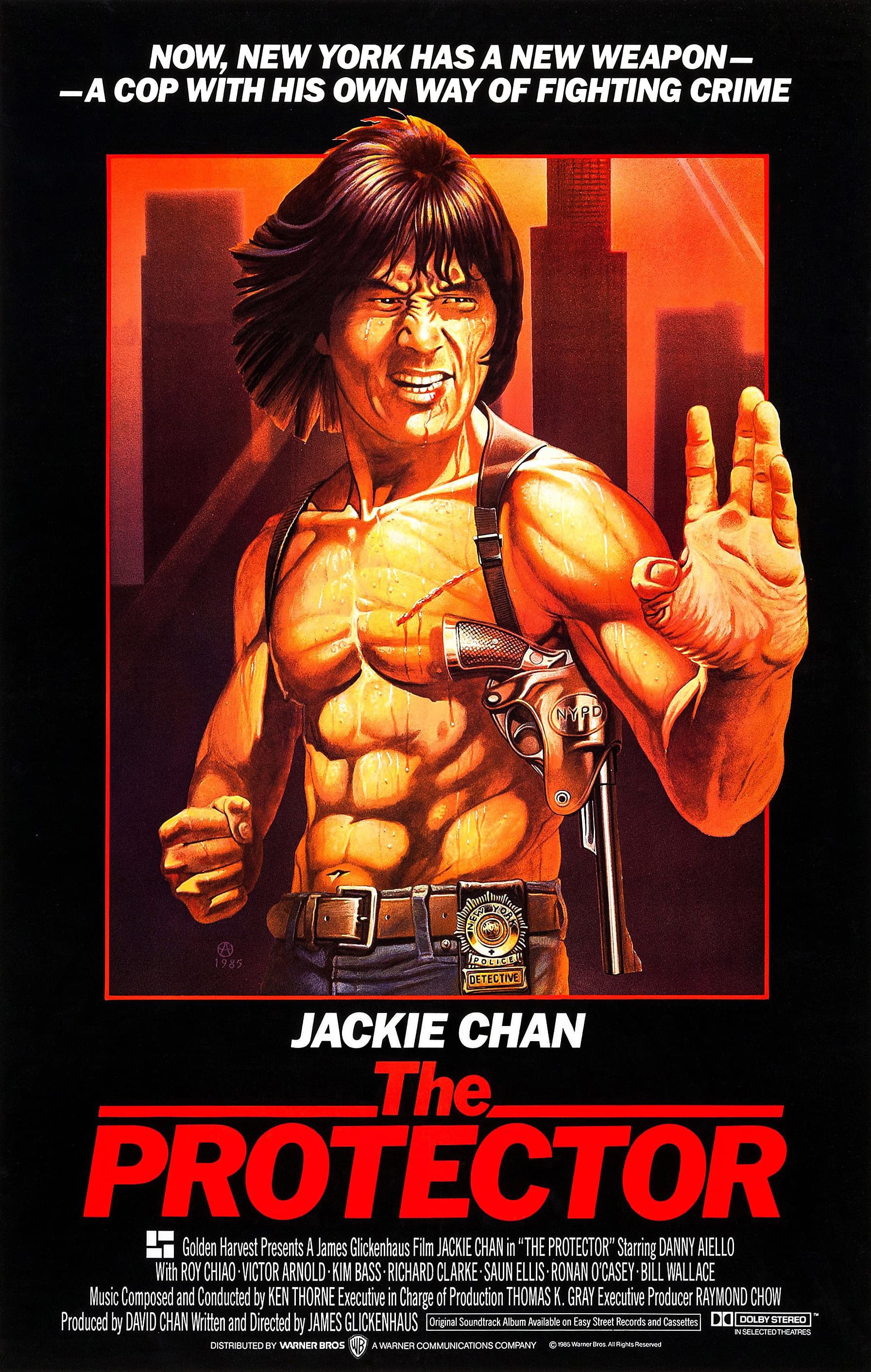
The Protector
The Protector: family and parents protecting their children, and why this 1985 movie still matters.
Read our take →
1985
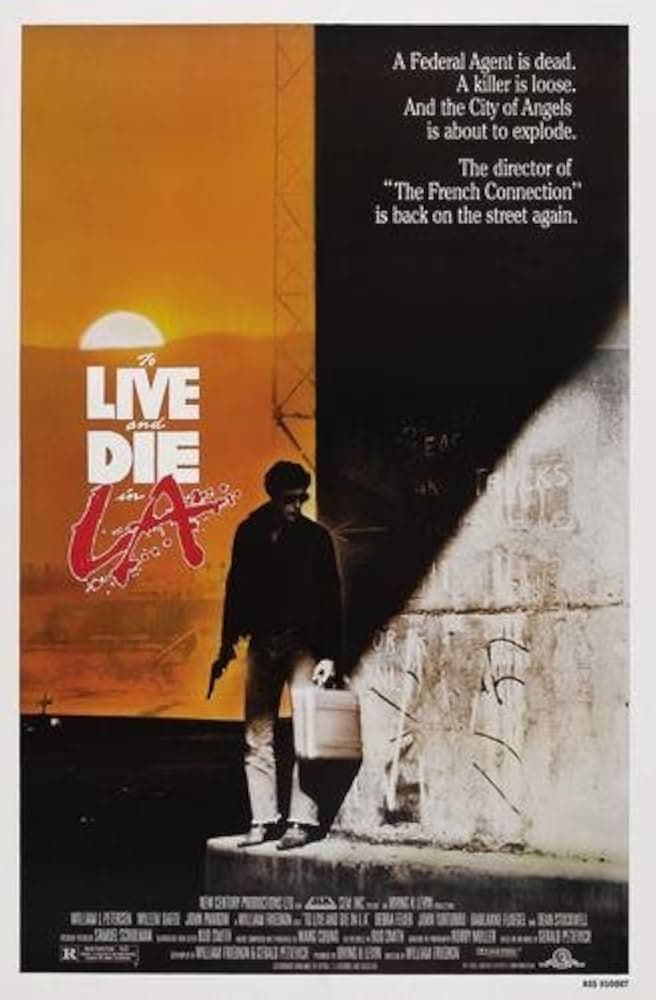
To Live and Die in L.A.
Obsession, counterfeit identities and a freeway chase that won't behave.
Read our take →
1984
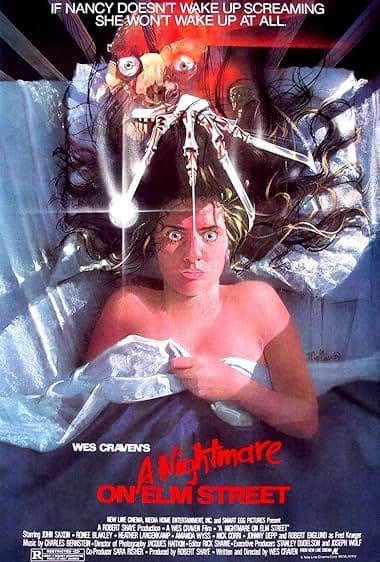
A Nightmare on Elm Street
A Nightmare on Elm Street: family and the safety of home, and why this 1984 movie still matters.
Read our take →