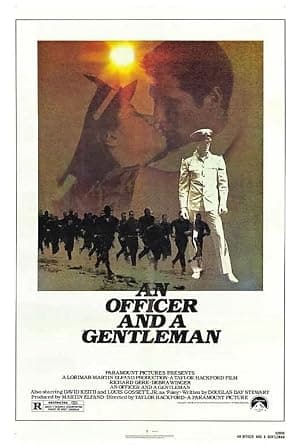
An Officer and a Gentleman
A hard-edged coming-of-age wrapped in military drill, unexpected tenderness and one stubborn loner.
The setup
Talk to anyone who loves An Officer and a Gentleman and the conversation usually comes back to one thing: Zack Mayo. Taylor Hackford’s 1982 drama straps a quietly explosive character to a rigid 13-week naval training schedule and asks whether discipline can rewrite a life. Romance, class pressures and a tough-as-nails drill instructor make it feel theatrical — in the best, push-you-off-the-ledge way.
THE MOVIE
Zack Mayo is still the reason this movie works
Some films hang on a plot. An Officer and a Gentleman hangs on a person. The engine is straightforward: Richard Gere’s Zack Mayo, a loner who signs up for a 13-week United States Navy Aviation Officer Candidate School, arrives with one aim — to become a pilot and leave his past behind.
That setup forces two things into the same frame: brutal institutional discipline under a drill instructor, and a tentative romance with Paula Pokrifki, the local factory worker who complicates Zack’s single-minded plan. The movie lets the training grind and the relationship sit next to each other until one must give.
What makes it watchable — rather than merely period melodrama — is the story’s insistence that Zack isn’t a blank; he’s emotionally guarded because of what came before, and the whole film is about whether discipline, responsibility and connection can pry him open.
THE SETUP
The idea that sets An Officer and a Gentleman in motion
At its simplest, the film places a single figure — a driven, emotionally closed-off trainee — into a tightly timed pressure cooker. Zack Mayo arrives at the 13-week Aviation Officer Candidate School, and the schedule does the storytelling for you: every day is a test, every task another chance to reveal character.
The training itself is handled through the figure of an abrasive drill instructor who pushes recruits physically and mentally. Those scenes are the movie’s scaffolding; they’re not just about punishments and salutes but about forcing choices and exposing weaknesses.
Parallel to the boot-camp rhythm is Zack’s relationship with Paula Pokrifki, a pragmatic factory worker whose own background and ambitions create real pressure on the young couple. That romance keeps the stakes personal — this isn’t only about surviving the course, it’s about who you become when the tests end.
Put together, the premise works because it compresses large life questions — responsibility, escape, belonging — into a tight timeframe where every interaction feels consequential.
THE CHARACTER
Why Zack Mayo matters
Zack Mayo is not a blank heroic cipher. The film gives him a backstory — family threads and a troubled past — that explain his single-mindedness: he wants out, and fast. That urgency shapes every choice he makes at the academy and with Paula.
What holds interest is the tension between ambition and feeling. Paula represents a different life: working-class, grounded, practical. Her presence forces Zack to reckon with questions he’d rather avoid — about loyalty, honesty and the price of leaving everything behind.
Sid Worley functions as the story’s human counterweight. As a close friend and contrast to Zack, Sid’s choices and consequences throw Zack’s trajectory into sharper relief and give the film emotional ballast beyond drill sequences and romantic scenes.
Those character relationships are why the movie isn’t just a military-rigour exercise. It’s about a man being peeled back, gradually, by people who refuse to let him remain comfortably alone.
UNDER THE SURFACE
An Officer and a Gentleman has more on its mind than the plot suggests
On the surface it’s a military-romance drama. Underneath it’s a coming-of-age story that uses the strict rules of an institution to force personal change. The 13-week course is narrative shorthand for growing up fast.
Discipline and leadership are central — the film asks whether authority can shape a better person or merely produce someone who follows orders. That tension runs through the training scenes and into how characters behave once they leave the academy.
There’s also a class dimension. Paula’s working-class life and practical ambitions stand opposite Zack’s desire for social mobility through the Navy; the romance is partly about whether love can bridge those practical, economic divides.
Finally, the emotional growth in the film is not soft-focus. Romance is a pressure point as much as it is comfort: the relationship scenes reveal character choices and moral compromises rather than offering pure escape.
THE FILMMAKING
How An Officer and a Gentleman was put together
Taylor Hackford directs, and the film is assembled by a team of credited craftspeople who give it its studio-ready shape. The production lists Donald Thorin as cinematographer, Peter Zinner as editor and Philip M. Jefferies as production designer.
Those credits matter because they tell you the movie was made with conventional studio professionals rather than an experimental crew — everything is aimed at clarity and emotional readability rather than arty obscurity.
Editing and production design quietly do the heavy lifting: the film needs to move between training sequences and intimate conversations without losing momentum, and that’s the work of the editor and the designer — making the world feel lived-in and the pacing hold together.
The overall result is a polished, audience-facing drama: constructed, deliberate, and designed to make sure character beats land where the script intends.
PURE 80S
An Officer and a Gentleman could not belong to any other decade
Released in 1982, the film fits snugly into an early-80s Hollywood habit: mixing genres to reach a broad audience. Its blend of military training drama and romantic melodrama is exactly that — two comfortable boxes stapled together for maximum reach.
It was also a major commercial success at the time, which helps explain why studios kept making confidently big emotional dramas that crossed audience lines rather than shrinking from them.
That mainstream appetite for an emotional, character-led story about trainees and romance is part of what ties this film to its moment — it’s not a fluke of taste, it’s an expression of industry instinct in 1982.
Seen this way, the movie reads less as period nostalgia and more as a clear example of how early-80s Hollywood packaged earnest human stories for large audiences.
THE LEGACY
Why An Officer and a Gentleman still matters
Part of the film’s afterlife is official: Louis Gossett Jr. won the Academy Award for Best Supporting Actor, and the song 'Up Where We Belong' also took home the Oscar for Best Original Song. Those wins cemented the movie in awards history and made certain moments hard to forget.
It’s also had a life beyond the screen: the story was adapted into a stage musical with productions beginning in 2012 and later tours in the UK and plans for North America. That theatrical interest is a sign the central relationships and dramatic beats can be reshaped for different formats.
Institutions have noticed it too — the American Film Institute has included the film in Movie Club material and on lists recognising memorable romantic and inspirational films, which keeps it in circulation for new audiences and discussions.
Taken together, awards, adaptations and institutional mentions explain why the movie remains part of film conversations: not because it dominates pop culture, but because several concrete afterlives keep it visible.
THE VERDICT
Does An Officer and a Gentleman still hold up?
Yes — but with a caveat. If you respond to character-driven melodrama and like your themes served clearly, the film still lands. It uses a tight 13-week training structure to force choices and accelerate growth, and that compression gives the story a relentless, watchable forward motion.
Zack Mayo’s arc — a loner shaped by a troubled past learning responsibility and vulnerability — remains an effective spine. The romance and the pressures around class and ambition mean the emotional payoffs aren’t just tear-jerking set pieces; they’re consequences of choices that the film has earned.
Contemporary reviews singled out the film’s principal performances and the way the material delivers emotional clarity; combine that with the Oscar recognition and the later stage adaptations, and you have a picture that still rewards viewers who want an earnest, well-constructed drama.
So watch it for the character work and the tidy, no-nonsense storytelling. If you want subtle ambiguity or a radical rethinking of genre, look elsewhere. But if you’re up for a compact drama about someone learning how not to run away, this one still does the job.
Share this movie
Keep watching
More movies from the 80s
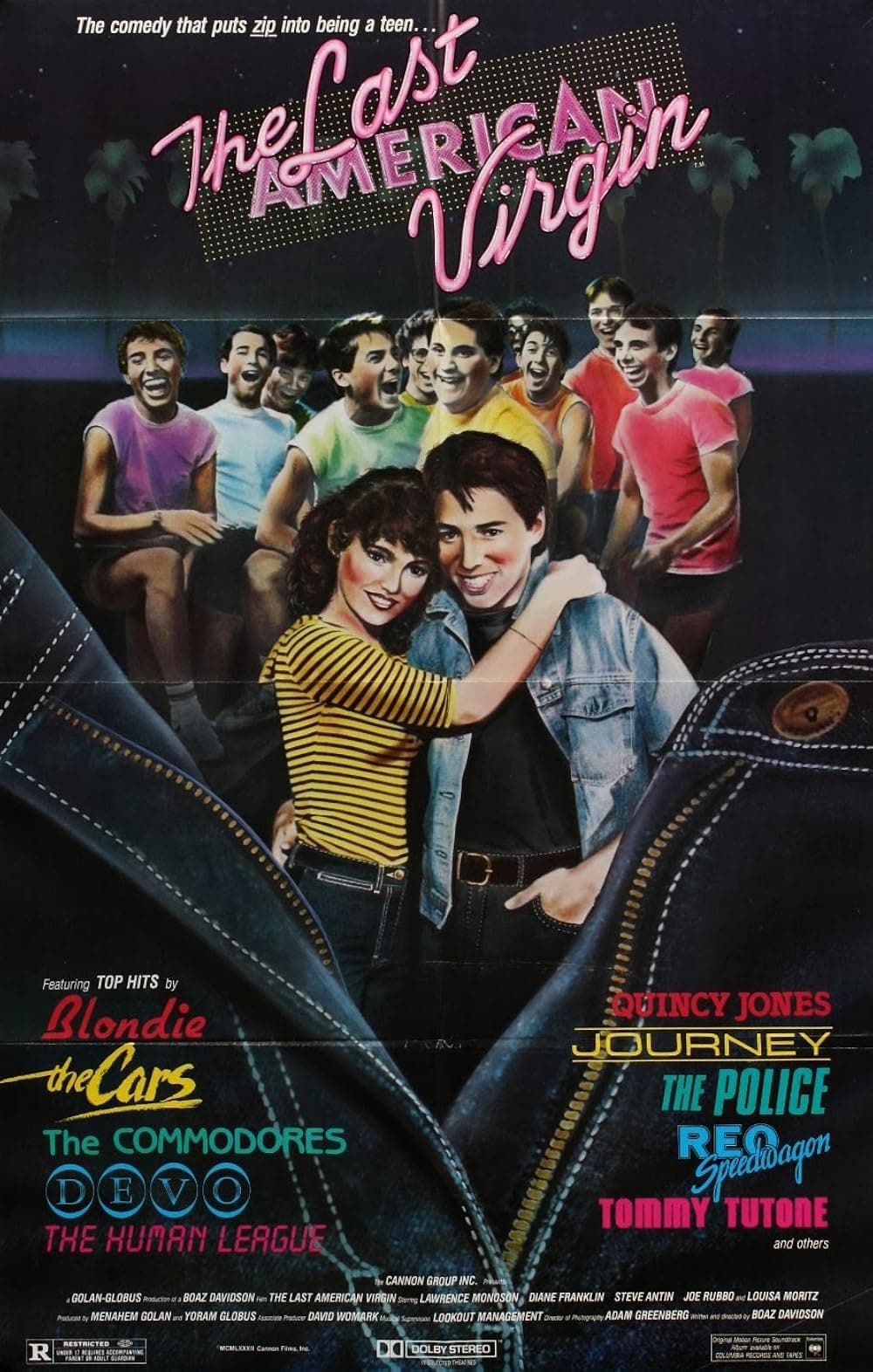
1982
The Last American Virgin
The Last American Virgin: the safety of home and friendship, and why this 1982 movie still matters.
Read our take →
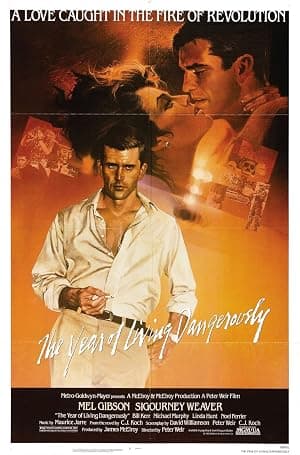
1982
The Year of Living Dangerously
The Year of Living Dangerously: mortality and lifespan, and why this 1982 movie still matters.
Read our take →
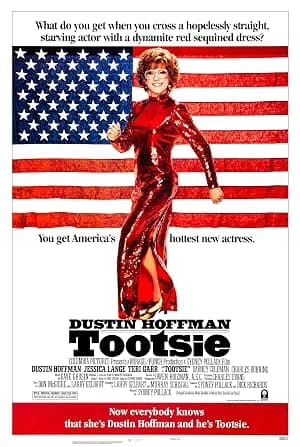
1982
Tootsie
An actor in drag discovers how the world really treats women.
Read our take →