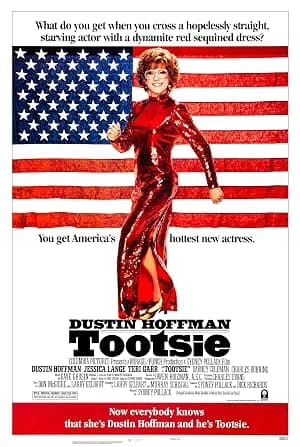
The setup
Tootsie still hooks you almost immediately: a talented but difficult actor, desperate for work, turns himself into Dorothy Michaels to land a soap role. What begins as a pragmatic con trick turns into a comic study of gender performance, workplace sexism and the thin line between acting and being. Sydney Pollack keeps the wheels turning so the movie remains sharp, funny and frequently uncomfortable in equal measure.
THE MOVIE
Michael Dorsey / Dorothy Michaels is still the reason this movie works
People still talk about Tootsie because its central engine is a brilliant piece of premise-driven trouble: Michael Dorsey, an able but notoriously difficult New York actor, dresses as Dorothy Michaels to win a daytime-soap part. That decision is simple to describe and fiendishly complicated to live with.
What makes the idea stubbornly watchable is why Michael does it. He’s not playing a prank; he’s driven by career desperation, perfectionism and a hunger for professional respect — the kind of pragmatic, slightly shameful choice that turns a clever tactic into an ethical mess.
Wrapped around that knot are the themes that keep the film talking: gender as performance, the mechanics of a TV workplace that treats women differently, and how pretending can force you to learn. Sydney Pollack directs a crowd of sharp supporting players around Dustin Hoffman’s central double-life, and the result still hums after 116 minutes.
THE SETUP
The idea that sets Tootsie in motion
The premise is economical: after months out of work — partly because he’s earned a tough reputation — Michael decides to present himself as a woman to audition for a soap-opera role. That initial bit of deception gets him through the door.
Once Dorothy exists in public, the movie’s conflict is obvious and escalating. Michael has to keep the act going while juggling friendships, professional ethics and feelings that complicate the charade — most notably his attraction to co-star Julie Nichols.
There’s a clear practical motive behind the ruse too: Michael uses Dorothy to secure money and opportunity he needs to produce a play. That financial push is what turns a one-off disguise into an increasingly tangled life.
All of which is delivered by a screenplay credited to Larry Gelbart and Murray Schisgal from a story that also lists Don McGuire, and keeps the set pieces focused on the pressures of performance and the workplace that feeds them.
THE CHARACTER
Why Michael Dorsey / Dorothy Michaels matters
Michael/Dorothy is memorable because the character is a device and a discovery at once. On paper he’s a pragmatic actor using disguise to get work; in practice the disguise forces him to confront how being a woman changes every interaction around him.
The push and pull is built into Michael’s psychology — he’s perfectionist, short on work and desperate for respect — so Dorothy starts as a tactic and becomes a moral problem. The film makes that slippage its argument rather than its punchline.
Julie Nichols, the single mother and soap actress Michael falls for, is more than a romantic obstacle: her professional pressures and vulnerability act as the pivot point for Michael’s choices and his emotional growth.
Sandy Lester’s role as Michael’s insecure friend and former student is important too: her relationship with him constantly exposes the compromises Michael has made, and why those compromises matter to the people around him. The production even extended into extensive make-up and wig testing — Dorothy was constructed carefully, not roughly sketched.
THE PERFORMANCE
Why Dustin Hoffman's performance matters
Contemporary response singled out Hoffman's work as central to the film’s balance. Roger Ebert gave the film four stars and specifically praised how Hoffman managed scenes both in and out of Dorothy’s make-up.
That critical attention matters because the movie depends on the audience accepting two linked identities as coming from the same person. The way the film frames those transitions is part of why viewers stay invested.
UNDER THE SURFACE
Tootsie has more on its mind than the plot suggests
On the surface Tootsie is a romantic comedy about a man in disguise. Underneath it’s asking how gender works as performance: what habits, behaviours and expectations make femininity legible to other people?
Closely linked to that is the movie’s critique of workplace sexism. By placing Dorothy inside a television set — rehearsals, auditions and tapings — the film shows how institutional pressures and double standards shape women’s careers.
Identity and deception are central but complicated. The deception is moral and practical: Michael lies to get what he wants, but the lie also becomes a way for him to learn. That tension between trick and lesson is what keeps the film from being a gag stretched too thin.
Finally, there’s an operating question about acting itself — about authenticity and the blur between performance and personhood — and how media attention and celebrity magnify those questions for everyone on the set.
THE FILMMAKING
How Tootsie was put together
Tootsie wears its studio craftsmanship openly. With Owen Roizman behind the camera the film opts for polished, classical cinematography that lets the comedy and the relationships breathe rather than calling attention to itself.
Production design plays a crucial role: the daytime-soap sets and backstage environments are carefully recreated so the movie can stage its recurring workplace sequences. That contrast between on-camera gloss and off-camera messiness is an ongoing visual gag and a thematic tool.
Sydney Pollack’s direction keeps the film moving across rehearsals, auditions and live tapings so the workplace itself escalates stakes and exposes the industry’s gendered double standards without stopping the story for lectures.
Taken together the choices give Tootsie the feel of a studio-era romantic comedy updated to handle 1980s commercial rhythms — big set pieces, status-driven plots and an ensemble cast serving a single central dilemma.
PURE 80S
Tootsie could not belong to any other decade
Released in late 1982, Tootsie arrived at a moment when mainstream Hollywood still trusted star-driven comedies to carry social ideas to a mass audience. Its commercial success shows that audiences were ready for a film that could be both big and thoughtful.
It also sat beside contemporaries asking similar questions — Victor/Victoria being the obvious companion piece — and that early-1980s moment let studios experiment with gender, disguise and performance without relegating those themes to arthouse corners.
Tonally the film follows an established romantic-comedy tradition — broad set pieces married to status-driven entanglements — but Pollack and the writers retooled that machinery for an era still hungry for crowd-pleasing stars and conversation-starting subjects.
So while Tootsie feels classically constructed, it’s unavoidably of its time: a mainstream studio picture using comedy to prod at social questions the early 1980s were suddenly willing to let into multiplexes.
THE LEGACY
Why Tootsie still matters
Tootsie arrived with awards attention: the film picked up wide recognition during awards season, including ten Academy Award nominations, and it remains a career touchstone for Dustin Hoffman and Jessica Lange.
Its selection for preservation in the U.S. National Film Registry in 1998 marks it as a picture seen to have cultural, historical or aesthetic weight beyond mere box-office success.
That archival interest has continued: Criterion issued a new 4K restoration with supplemental materials that document the production, which confirms that critics and curators still find the movie worth re-examining.
THE VERDICT
Does Tootsie still hold up?
Yes — with caveats. Tootsie’s premise is still a tidy engine: Michael becomes Dorothy to get a role, and the lie spirals into professional and personal complications that the film stages largely inside the soap-opera workplace. Those settings let the movie expose gendered double standards without stopping to explain the obvious.
Where it holds up best is in the central moral movement: Dorothy is both disguise and, unexpectedly, a vehicle for Michael’s empathy. Being Dorothy forces him to see how women are treated, and that hard-won seeing is what gives the story its weight beyond the laughs.
The supporting characters matter here — Julie Nichols’s professional constraints and vulnerability are the pivot for Michael’s emotional arc, and Sandy’s presence keeps the film honest about the compromises in Michael’s life. The filmmakers use those relationships to turn a comic premise into something involving.
So if you’re wondering whether to watch it now: go for the idea and the staging. Sydney Pollack keeps a clear line between on-camera performance and off-camera reality, and the result is a rom-com that still asks awkward questions about gender, work and truth.
Share this movie
Keep watching
More movies from the 80s
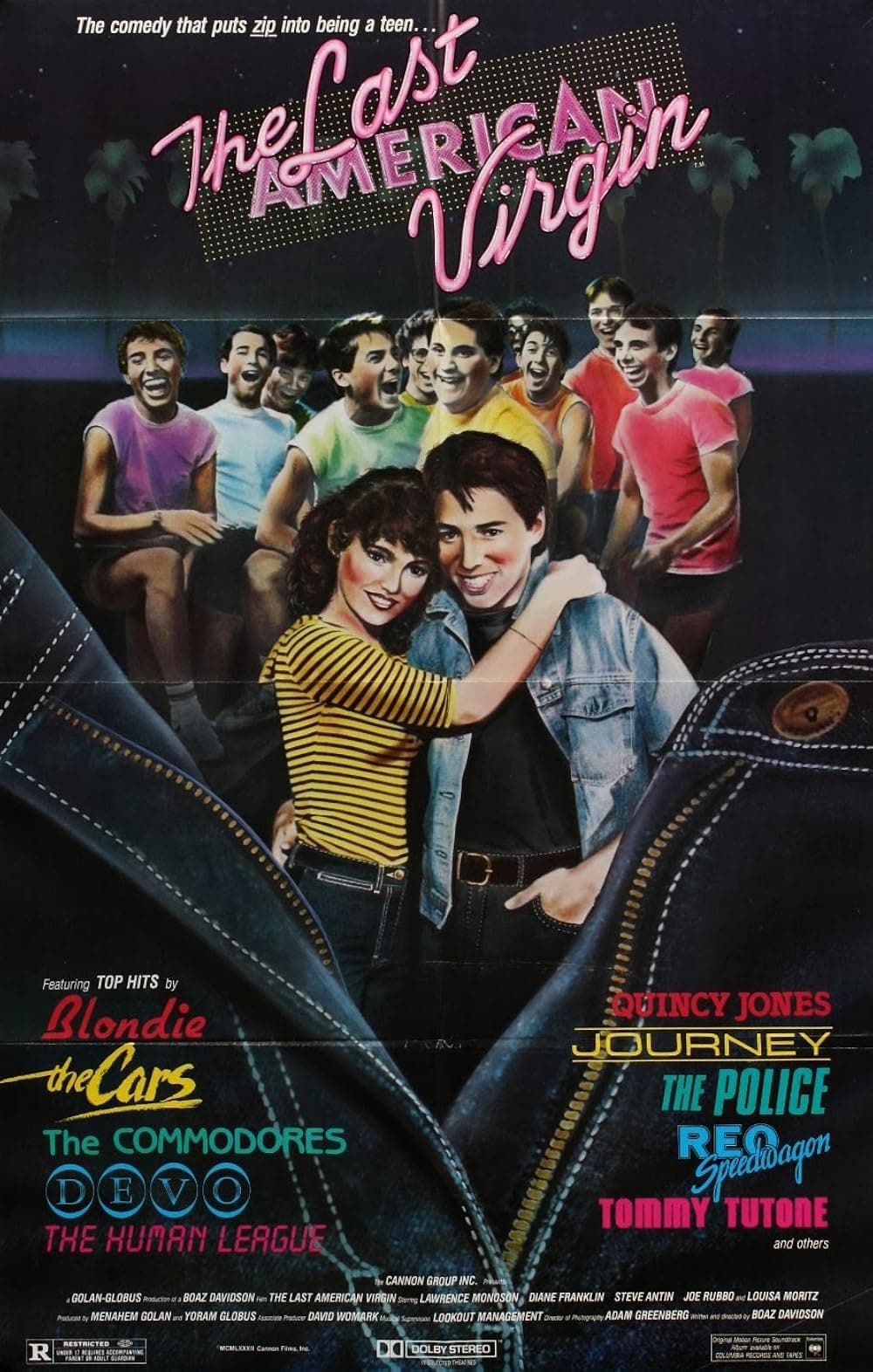
1982
The Last American Virgin
The Last American Virgin: the safety of home and friendship, and why this 1982 movie still matters.
Read our take →
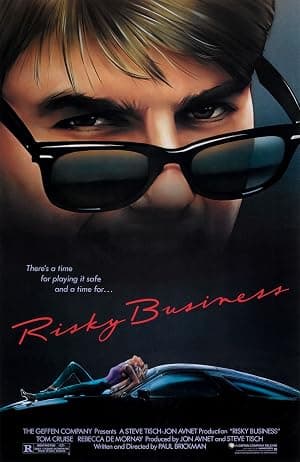
1983
Risky Business
A suburban teenager, a one‑night business and the day ambition learned to look dangerous.
Read our take →
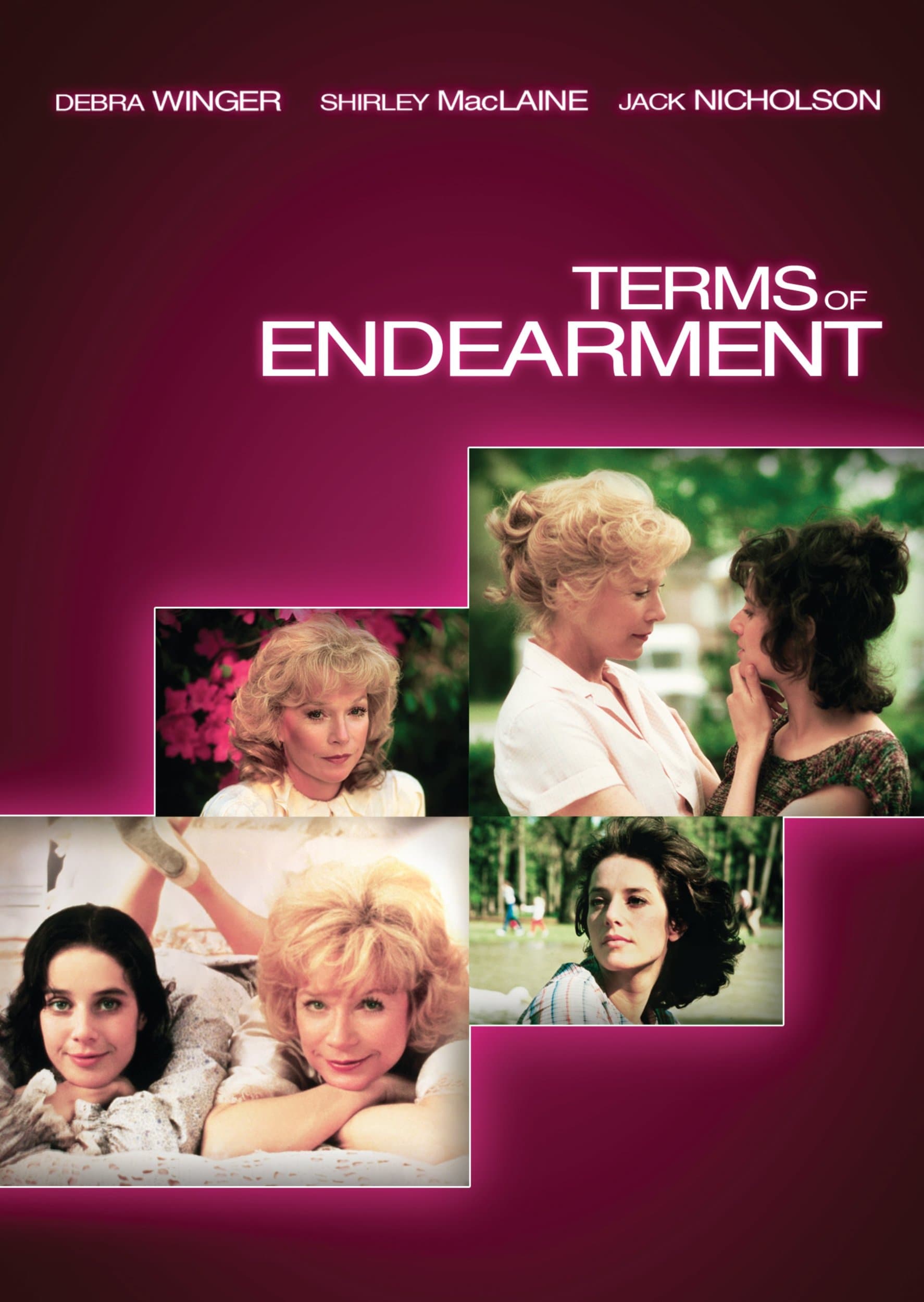
1983
Terms of Endearment
A sharp, sentimental and sometimes infuriating love story — mostly between a mother and her impossible daughter.
Read our take →