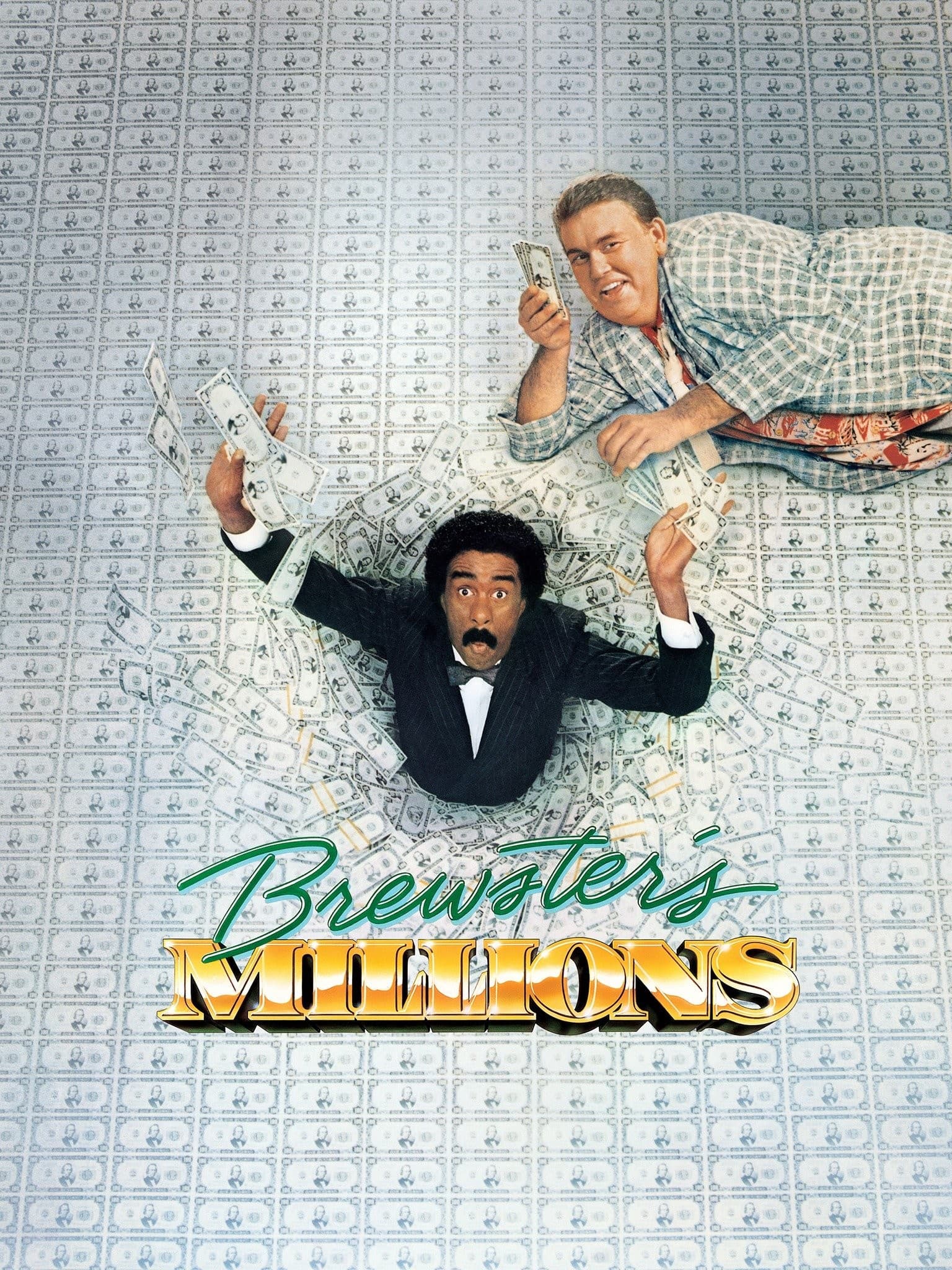
Brewster’s Millions
Richard Pryor has thirty days to spend $30 million without keeping anything to show for it — and somehow spending a fortune turns out to be much harder than it sounds.
The setup
Richard Pryor being handed $30 million and told he has to spend every penny sounds less like a problem and more like the greatest month imaginable. Brewster’s Millions spends the next hour and forty minutes demonstrating why it might actually drive you completely mad. Pryor plays Montgomery Brewster, a struggling minor-league baseball player who discovers that a distant relative has left him an extraordinary inheritance. There is, naturally, a catch. To receive the full $300 million fortune, Brewster must first spend $30 million in thirty days — while obeying a collection of rules specifically designed to make getting rid of the money surprisingly difficult. What follows is one of those wonderfully uncomplicated 1980s comedy premises that becomes increasingly ridiculous the longer everybody takes it seriously. Brewster hires people he doesn't need, rents things he doesn't want, throws money at hopeless investments and eventually discovers that even politics can become useful when your objective is financial destruction. But Richard Pryor keeps the whole thing grounded. Beneath the spending spree is a surprisingly clever comedy about money, friendship and the strange way wealth starts controlling Brewster almost immediately after he supposedly gains control of it. And with John Candy alongside him, Brewster’s Millions has something even more valuable than its $30 million premise: two enormously likeable people you actually want to spend the movie with.
THE SETUP
Spend $30 million. How hard could it be?
At first, Montgomery Brewster appears to have been handed the easiest challenge imaginable.
A distant relative has died and left him the opportunity to inherit $300 million. There is just one condition: before Brewster can claim the fortune, he must spend $30 million in thirty days.
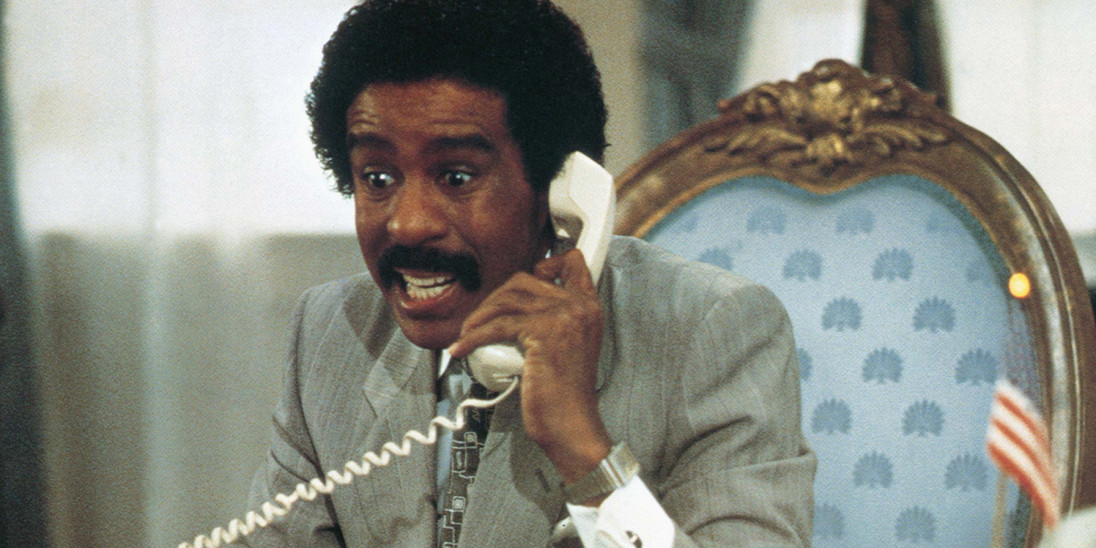
He cannot simply give it all away. He cannot deliberately destroy valuable possessions. He cannot finish the month owning a collection of expensive assets. And perhaps most importantly, he is not allowed to tell his friends why he suddenly seems determined to burn through money as quickly as humanly possible.
It is a wonderfully simple comedy premise because the obvious solution — just spend everything — becomes increasingly difficult once the rules start closing the loopholes.
The richer Brewster becomes, the harder it seems to become poor again.
RICHARD PRYOR
The perfect man to give $30 million
The entire movie depends on Montgomery Brewster being somebody we want to follow through an increasingly ridiculous month, and Richard Pryor makes that effortless.
Brewster is not a financial mastermind. He is a struggling minor-league baseball player suddenly dropped into a world of lawyers, accountants, expensive hotels and people perfectly willing to help him spend money.
Pryor makes Brewster's bewilderment as funny as the spending itself.
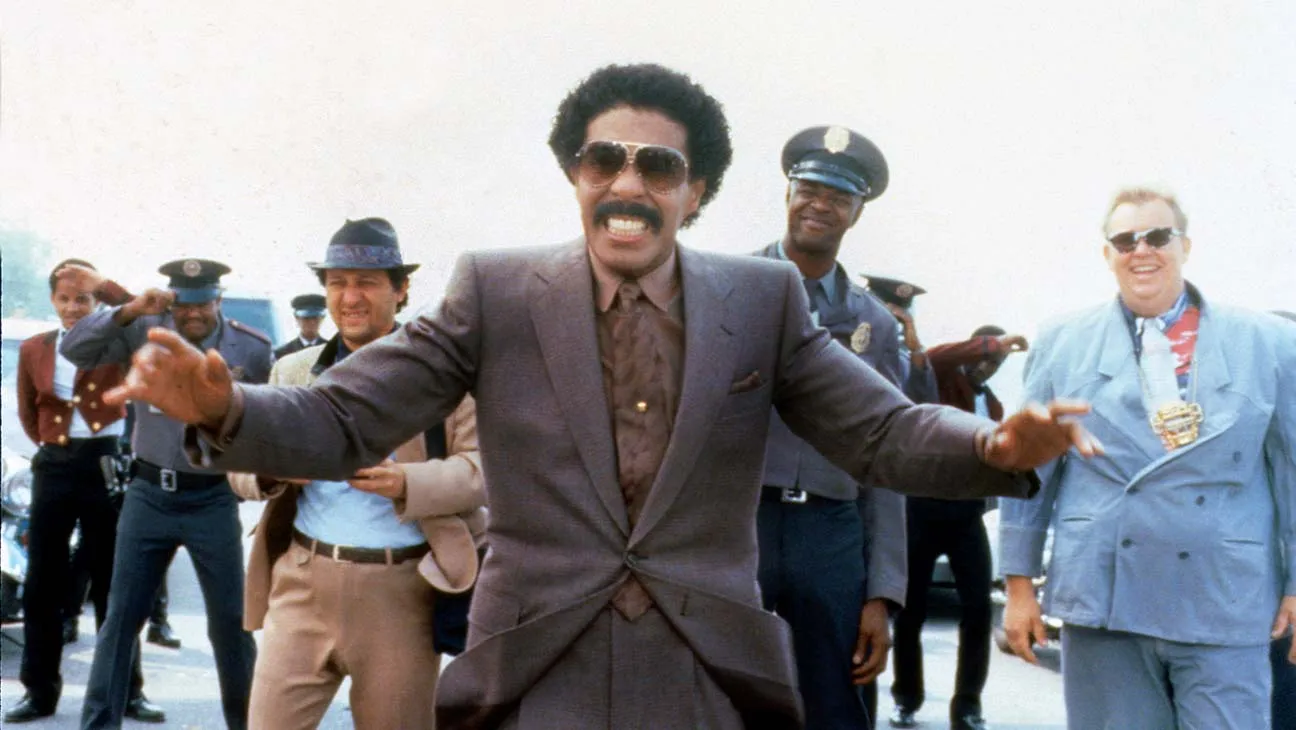
There is always a sense that he understands just how absurd his situation has become. Every time Brewster thinks he has found a brilliant way to lose another chunk of the fortune, something seems determined to make the money come back.
Pryor could make frustration incredibly funny, and Brewster’s Millions gives him an entire movie built around a man becoming progressively more irritated by his inability to go broke.
JOHN CANDY
The friend every millionaire needs
John Candy plays Spike Nolan, Brewster's best friend and baseball teammate, and the pairing of Candy and Pryor is one of the film's greatest strengths.
Spike has no idea about the inheritance challenge. From his perspective, his friend has suddenly become enormously wealthy and then apparently lost his mind.
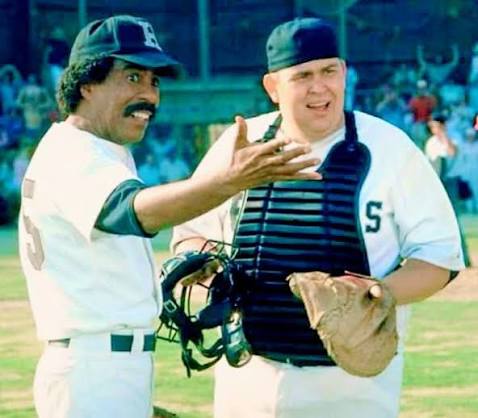
That misunderstanding creates plenty of comedy, but there is genuine warmth underneath it.
Candy was brilliant at playing characters who could be loud and ridiculous without losing their humanity, and Spike gives the movie something important: somebody who knew Brewster before the money arrived.
As Brewster becomes surrounded by employees, advisers and people enjoying his sudden generosity, Spike represents the friendship that existed when neither of them had anything.
For a movie obsessed with money, that relationship gives it a surprisingly big heart.
THE RULES
Why losing money becomes a full-time job
The genius of the premise lies in the rules.
Without them, Brewster could solve his problem in an afternoon. Buy something absurdly expensive, give the rest away and wait for the larger inheritance.
Instead, every obvious shortcut has been anticipated.
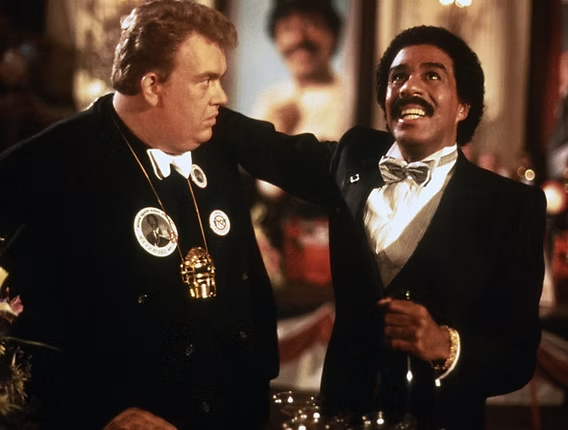
Brewster needs to spend aggressively without accumulating valuable assets. He needs receipts for his expenditure. He cannot simply explain the challenge and ask everyone around him to help.
That turns spending into work.
Soon Brewster is employing an army of people, renting extravagant surroundings, gambling, investing and desperately searching for ways to make enormous amounts of money disappear.
And whenever one of his supposedly terrible financial decisions unexpectedly succeeds, his reaction is the exact opposite of what anyone normally feels when an investment makes money.
Few movies have made financial success look quite so inconvenient.
NONE OF THE ABOVE
The campaign that accidentally makes sense
Brewster eventually discovers one particularly spectacular method of spending money: politics.
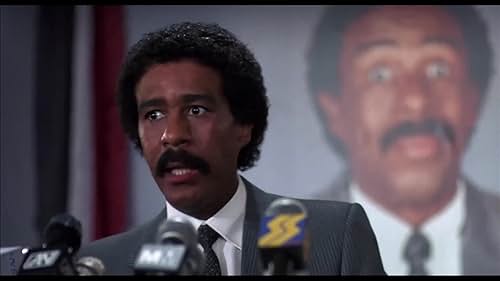
Rather than supporting either candidate in the New York mayoral election, he launches his own campaign encouraging voters to choose “None of the Above.”
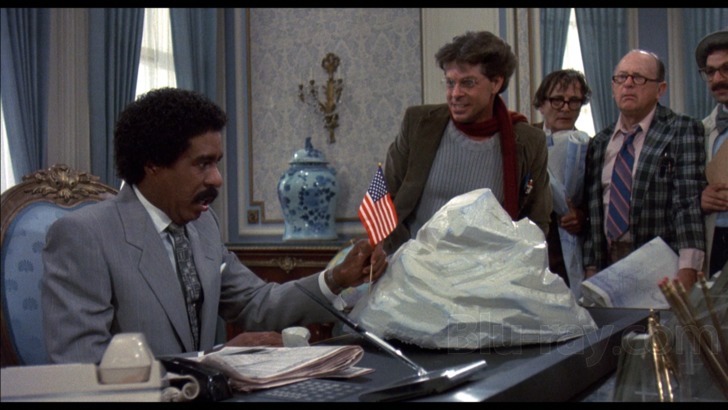
It begins as another mechanism for disposing of the inheritance money. Campaign offices, advertising and publicity can absorb an impressive amount of cash without leaving Brewster with assets at the end.
Then something awkward happens.
People start listening.
The joke works because Brewster's deliberately cynical campaign begins expressing something voters genuinely feel. His attempt to waste money develops momentum precisely because the public finds the message more appealing than the alternatives.
It gives the film a satirical streak that still feels surprisingly recognisable. Brewster is trying desperately not to win anything, yet accidentally becomes more convincing by refusing to pretend he wants power.
THE MONEY
A fantasy that slowly becomes a nightmare
Part of the fun of Brewster’s Millions is imagining what you would do in the same situation.
Thirty million dollars in thirty days sounds wonderful.
The movie gradually dismantles that fantasy.
Brewster discovers that having money changes the behaviour of almost everyone around him. Suddenly there are people willing to work for him, advise him, sell things to him and participate in whatever ridiculous project he invents.
Meanwhile, the one thing he desperately wants to do — explain why he is behaving this way — is forbidden.
The result is an unusual inversion of the typical wealth fantasy. Brewster has access to almost anything he wants but cannot actually enjoy it because every dollar comes with a deadline.
Money is supposed to provide freedom.
For thirty days, it becomes his prison.
WALTER HILL
An unexpected director for a Richard Pryor comedy
One of the stranger things about Brewster’s Millions is the name behind the camera.
Walter Hill is better known for harder-edged films such as The Warriors, The Driver and 48 Hrs., making a broad Richard Pryor comedy about an inheritance challenge an unusual fit.
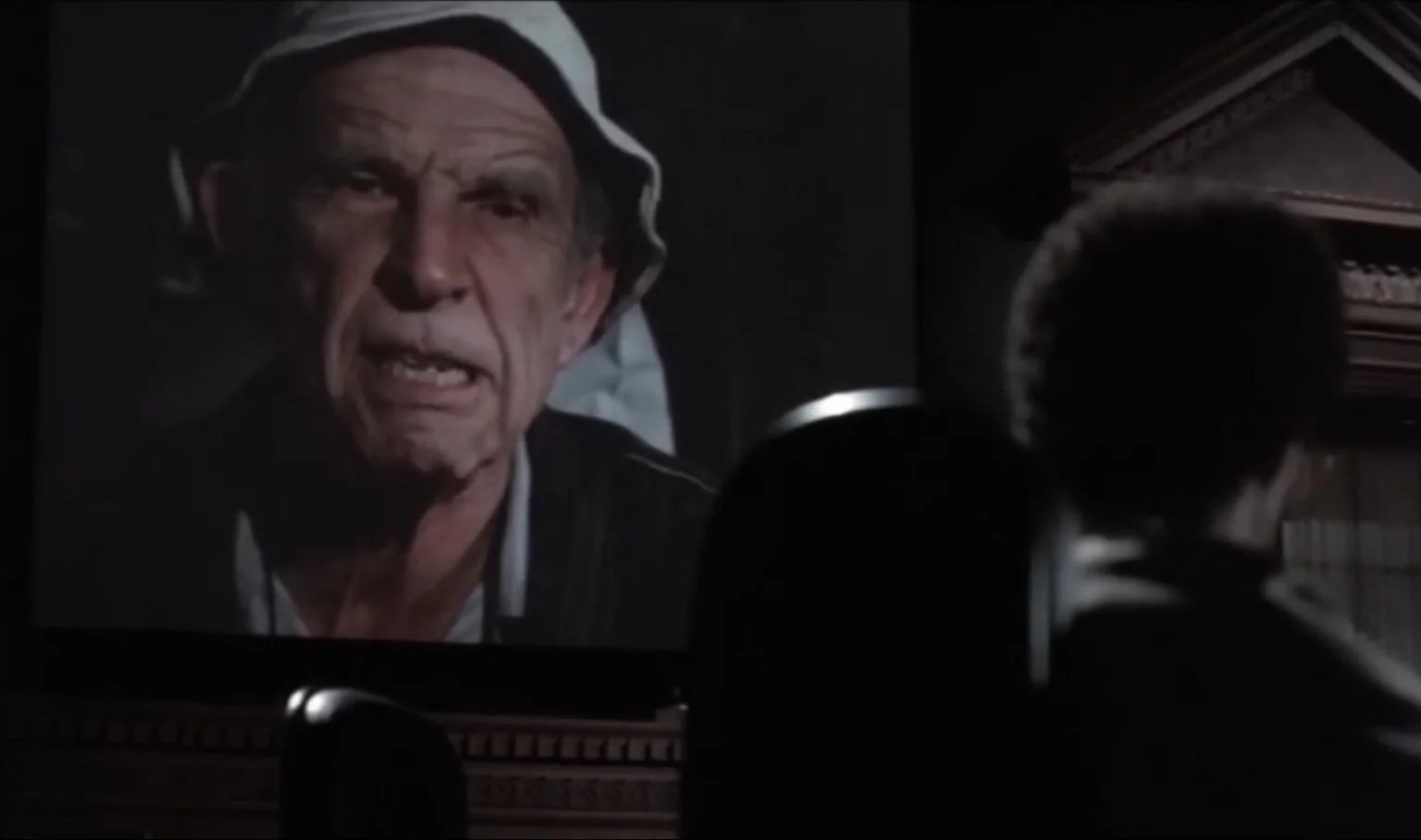
But Hill keeps the movie moving.
The premise could easily become repetitive — Brewster spends money, discovers he still has money and tries another scheme — yet the film continually finds new complications and increasingly elaborate ways to exploit the central idea.
Hill also largely stays out of Pryor and Candy's way. The movie understands that its biggest assets are the performers and the situation.
Sometimes the smartest thing a director can do with two naturally funny actors is simply give them room to be funny.
1985
A comedy that could only look this gloriously 80s
Brewster’s Millions is unmistakably a product of 1985.
The clothes, hotel interiors, television coverage, advertising, baseball setting and enormous corporate spaces give the film a texture that immediately places it in the middle of the decade.
And then there is the money itself.
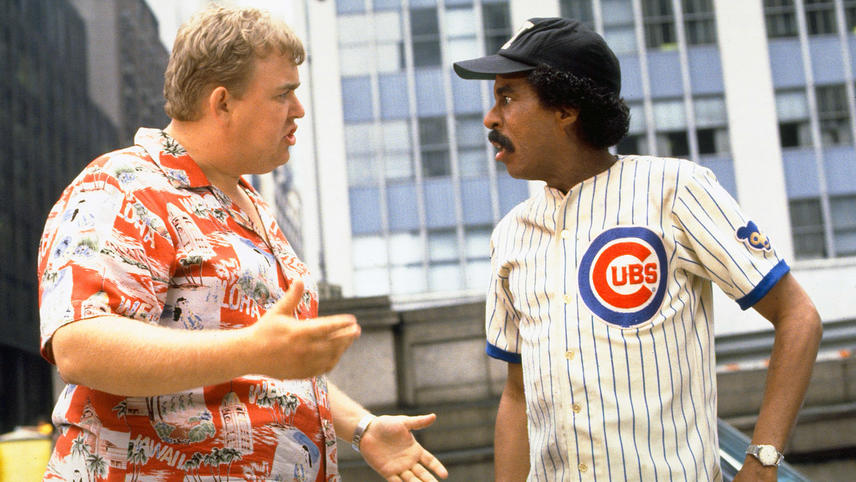
The sheer scale of Brewster's challenge is part of the joke, but watching it today adds another layer. Thirty million dollars was an almost incomprehensible amount of money to most audiences in 1985, which makes the idea of being forced to dispose of it within a month wonderfully excessive.
There is something particularly 80s about a comedy taking vast wealth, conspicuous spending and sudden financial success and turning all three into a headache.
MORE THAN ONE BREWSTER
The story was already old before Richard Pryor got the money
The 1985 movie was far from the first version of Brewster's predicament.
The story originated with George Barr McCutcheon's 1902 novel Brewster's Millions and had already been adapted for stage and screen multiple times before Richard Pryor inherited the problem.
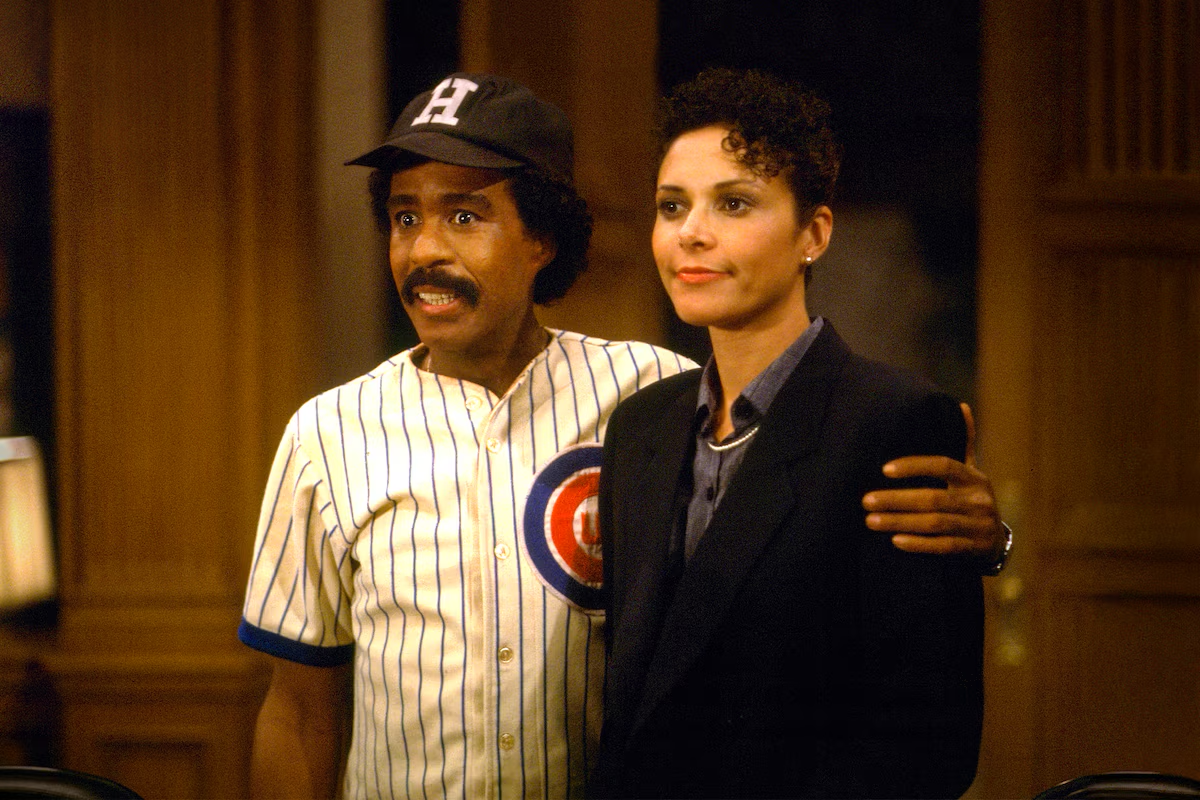
That longevity tells you something about how strong the central idea is.
The exact amount of money can change. The era can change. The rules can be adjusted. But the contradiction remains funny: give somebody access to a fortune, then make receiving an even larger fortune depend on successfully getting rid of the first one.
The Pryor version simply transports that idea into the excess of the 1980s, where it feels completely at home.
REWATCHING IT
Why Brewster's Millions is still so easy to watch
Not every comedy needs to reinvent cinema.
Sometimes a great premise, two hugely likeable stars and ninety-odd minutes of escalating nonsense are enough.
That is where Brewster’s Millions remains particularly enjoyable.
You understand the central problem immediately. The rules provide endless opportunities for complications, Pryor gives Brewster somebody worth rooting for and Candy brings warmth whenever the financial machinery threatens to overwhelm the characters.
There is also an innocence to the whole thing.
The movie is not trying to become an enormous statement about capitalism or wealth inequality. It notices some ridiculous things about money and politics, has fun with them and keeps moving.
That makes it incredibly easy to put on and enjoy again.
THE LEGACY
Not the biggest 80s comedy, but one worth remembering
Brewster’s Millions does not always receive the same nostalgic attention as some of the decade's enormous comedy hits.
That is precisely why it belongs in an archive like this.
The 1980s were not made entirely from the handful of movies that dominate modern retrospective lists. Part of the pleasure of revisiting the decade is rediscovering films that seemed to be everywhere on television or video shelves and then gradually slipped away from the conversation.
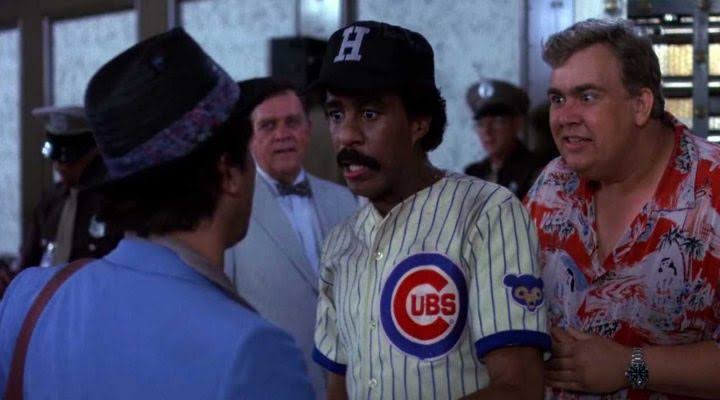
Brewster’s Millions has a terrific high-concept premise, Richard Pryor and John Candy sharing the screen, a wonderfully absurd political subplot and exactly the kind of easygoing entertainment that made so many 80s comedies endlessly rewatchable.
It deserves to remain part of the conversation.
THE VERDICT
Does Brewster's Millions still hold up?
Yes — and perhaps better than its reputation suggests.
The premise remains fantastic. Richard Pryor is enormously likeable as a man discovering that spending money can become considerably more stressful than earning it, while John Candy provides the warmth and friendship that stops the movie becoming nothing more than a collection of financial jokes.
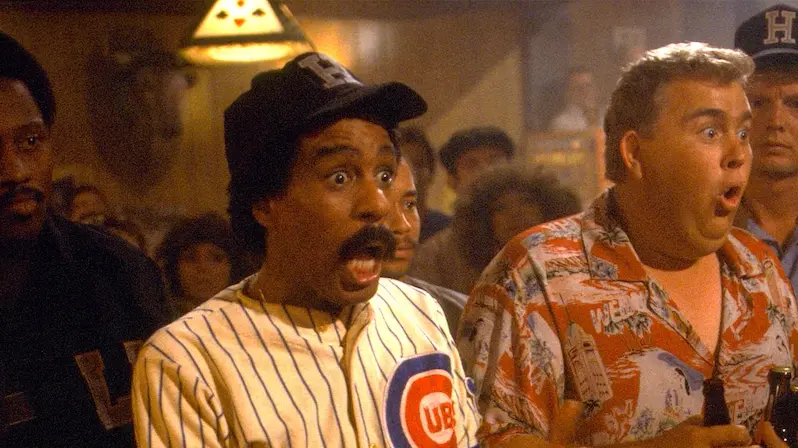
Some elements inevitably belong very specifically to 1985, but that has become part of the appeal. This is exactly the sort of mid-80s studio comedy that knew how to take one ridiculous idea, surround it with charismatic performers and simply have fun with it.
And beneath all the spending, there is still a neat little observation holding everything together.
Having more money does not automatically make life simpler.
Sometimes it just gives you much more expensive problems.
Movies in the 80s verdict: A hugely likeable 80s comedy that deserves another watch. ★★★★☆
Share this movie
Keep watching
More movies from the 80s
1985
A Chorus Line
A Chorus Line: love and memory, and why this 1985 movie still matters.
Read our take →
1985
After Hours
After Hours: our relationship with technology, and why this 1985 movie still matters.
Read our take →
1985
Back to the Future
A time machine, a restless teenager and a very particular set of family problems.
Read our take →