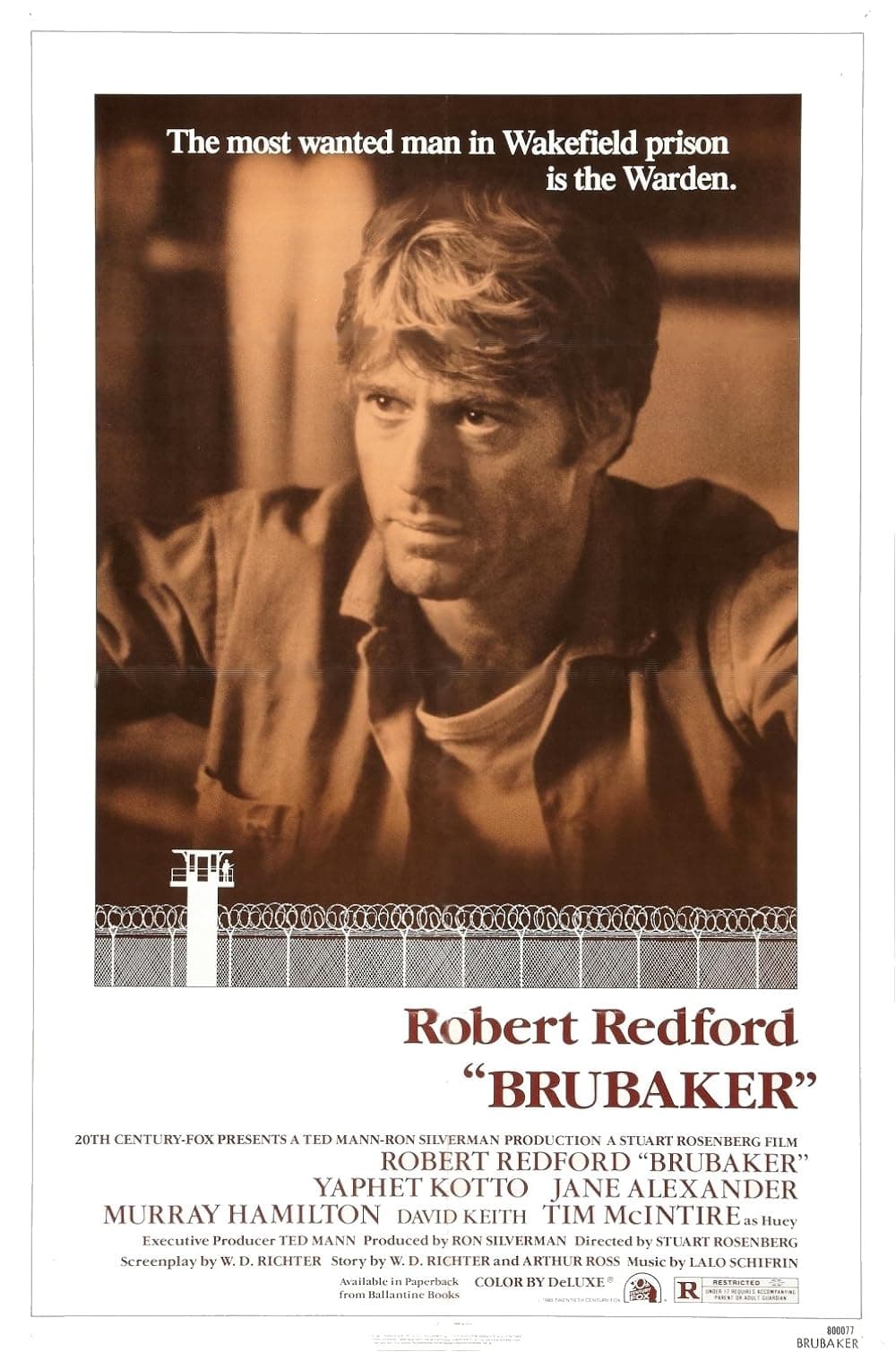
The setup
Brubaker arrived in 1980, directed by Stuart Rosenberg. In 1969, Henry Brubaker arrives at Wakefield State Prison in Arkansas disguised as an inmate. Decades later, it is worth looking at why the film still connects with audiences.
THE MOVIE
Henry Brubaker is still the reason this movie works
Brubaker was released in 1980 and directed by Stuart Rosenberg. Rather than simply retelling the plot, the film is worth revisiting for the characters, conflicts and ideas that give its story its identity.
Mortality, Greed and Freedom emerge through what the characters face and the choices they make, giving the story more to explore beyond its immediate plot. Henry Brubaker, Dickie Coombes and Lillian Gray do not begin the film seeing one another clearly, and watching those first impressions break down is a big part of why Brubaker still works.
THE SETUP
The idea that sets Brubaker in motion
In 1969, Henry Brubaker arrives at Wakefield State Prison in Arkansas disguised as an inmate.
He witnesses rampant abuse and corruption, including open and endemic sexual assault, torture, worm-ridden food, fraud, and rampant graft. That detail matters because it shapes the way the characters initially see one another.
During a dramatic standoff involving Walter, a deranged prisoner being held in solitary confinement, Brubaker reveals himself as the new prison warden, to the amazement of both prisoners and officials alike. From there, the film can concentrate less on explaining the setup and more on what happens between the people inside it.
Brubaker attempts to reform the prison, with an eye towards prisoner rehabilitation and human rights, clashing frequently with corrupt officials on the state prison board who have profited from graft for decades.
He recruits longtime prisoners, including trustys Larry Lee Bullen, Richard "Dickie" Coombes, and former warden's clerk Purcell (who secretly remains loyal to the unscrupulous trustys) to assist him.
Lillian Gray, a public relations specialist for the governor's office, attempts to influence Brubaker to reform the prison in ways casting the governor in a positive light.
Brubaker fires his crooked bookkeeper, who sold a stash of illicit food ostensibly for inmates for a profit, tosses the former prison doctor out of the facility when he learns inmates were being charged for medical treatment, and burns down an illicit pleasure shack on prison grounds where influential trusty Huey Rauch and his girlfriend Carol live.
UNDER THE SURFACE
Brubaker has more on its mind than the plot suggests
Brubaker has more on its mind than the basic setup suggests. mortality sits close to the centre of the film, but it is explored through the characters rather than treated like a lesson.
greed matters just as much. The film keeps challenging the assumptions its characters make about one another, which is where much of its emotional weight comes from.
There is also plenty here about freedom and consumerism. Those ideas overlap rather than sitting in separate boxes, which helps the movie feel like a story about people rather than a checklist of themes.
PURE 80S
Brubaker could not belong to any other decade
Brubaker could hardly be separated from the decade that produced it. Released in 1980, it carries the attitudes, style and filmmaking rhythms of the 1980s without needing to announce them.
It also sits comfortably within the era's drama and prison filmmaking, even if the movie itself is more interesting than any single genre label suggests. That is part of why it still appears in conversations about Brubaker 1980 and 1980s movies. The film has become tied not only to its own story but to the wider memory of what 1980s movies felt like.
WATCHING IT NOW
What has aged — and what hasn't
Watching Brubaker now means seeing both what has lasted and what unmistakably belongs to 1980.
What still works best is the human material. Ideas around mortality, greed and freedom have not stopped being relevant simply because the clothes, language and cultural references belong to another era.
Some moments inevitably land differently for a modern audience. Revisiting an older film properly means enjoying what still works without pretending every choice has aged equally well.
THE LEGACY
Why Brubaker still matters
A large part of that staying power comes from the characters. Henry Brubaker, Dickie Coombes and Lillian Gray are still useful shorthand for the personalities and pressures the film explores.
Brubaker has lasted because people continue to recognise something in it. Nostalgia helps, but nostalgia alone does not keep a movie in the conversation for decades.
THE VERDICT
Does Brubaker still hold up?
So, does Brubaker still hold up? Yes — although watching a film from 1980 honestly means accepting that not every moment will land exactly as it once did.
The film still has something recognisable to say about mortality, greed and freedom, and its characters stop those ideas from feeling abstract. Brubaker remains worth revisiting because characters such as Henry Brubaker, Dickie Coombes, Lillian Gray, John Deach and Larry Lee Bullen still feel like people rather than labels once the film gets underneath the stereotypes.
Share this movie
Keep watching
More movies from the 80s
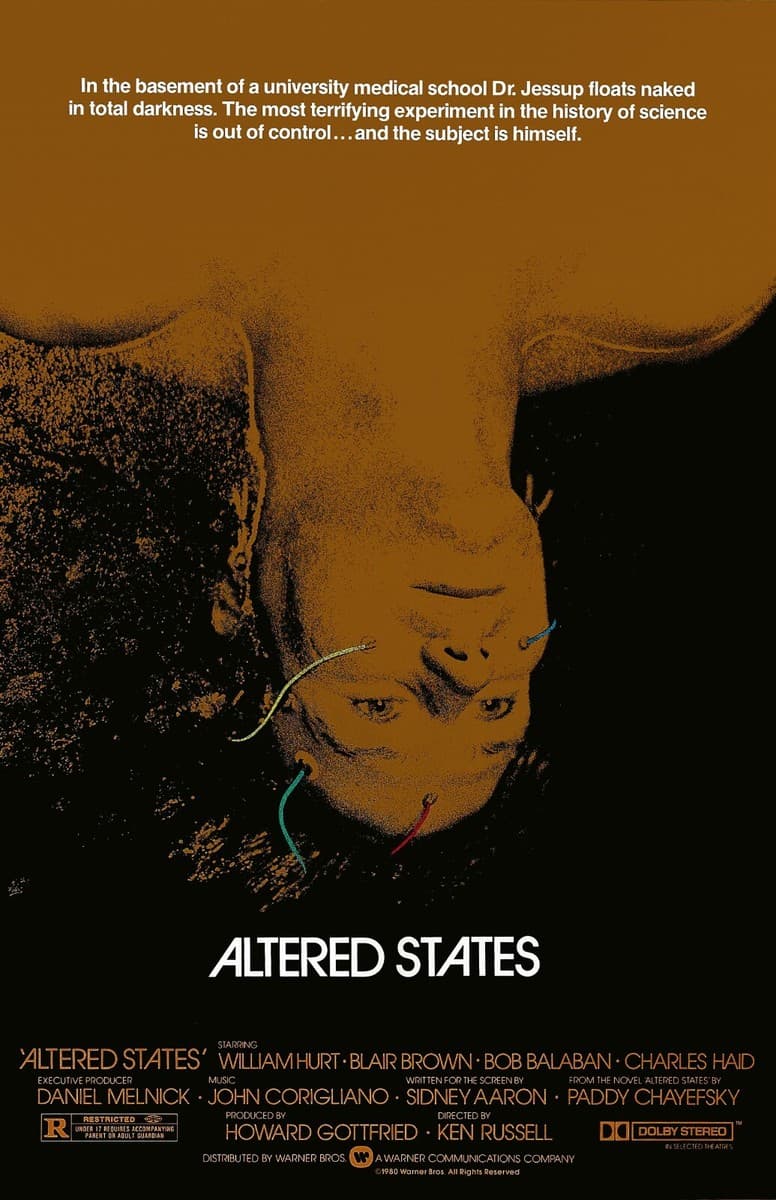
1980
Altered States
A head-trip that never forgets the man at its centre: curiosity, marriage and a tank of trouble.
Read our take →
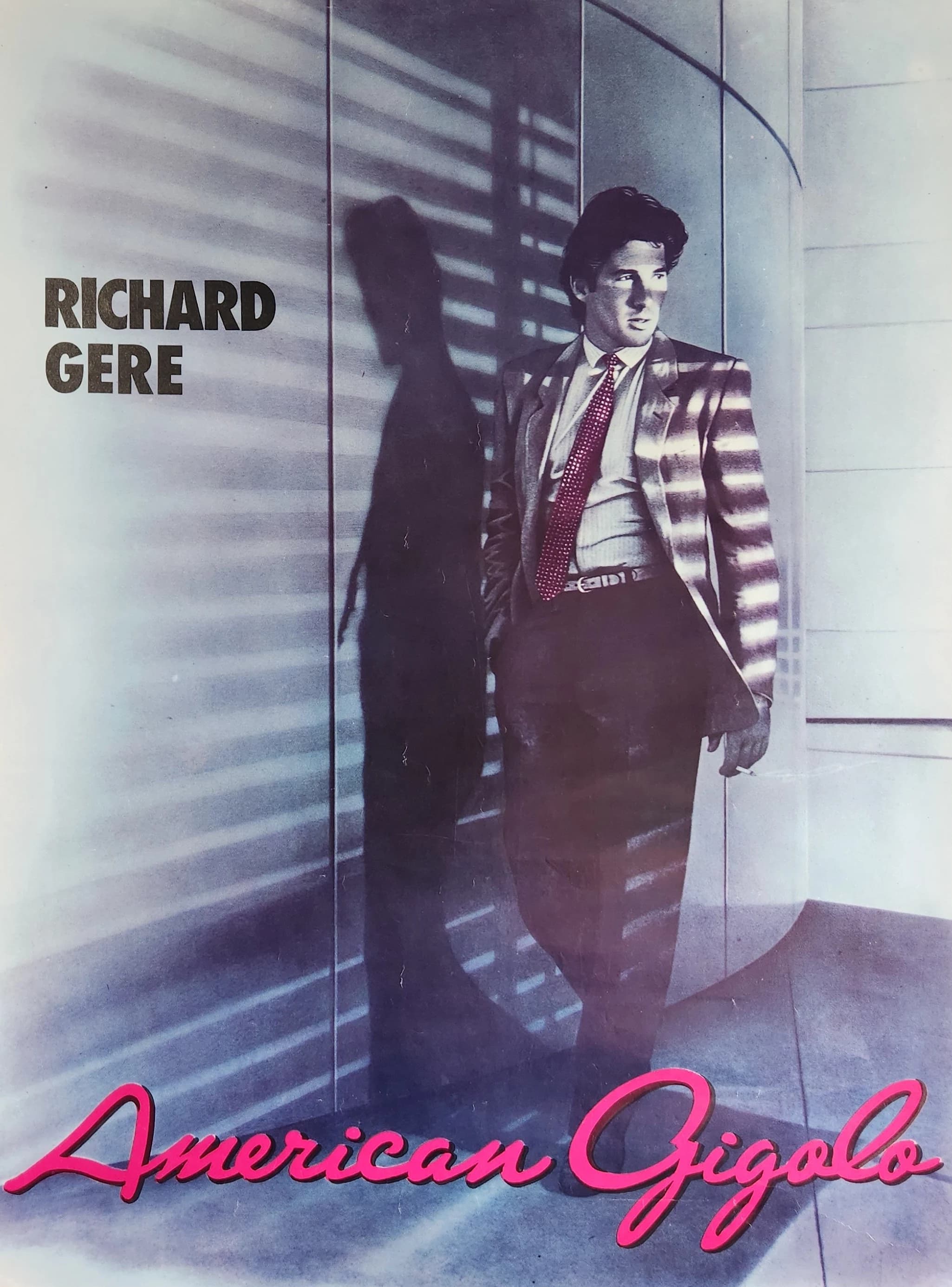
1980
American Gigolo
Armani, a hit single and a loneliness you can almost wear.
Read our take →
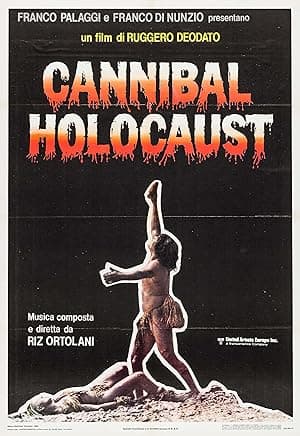
1980
Cannibal Holocaust
Cannibal Holocaust: loss and parents protecting their children, and why this 1980 movie still matters.
Read our take →