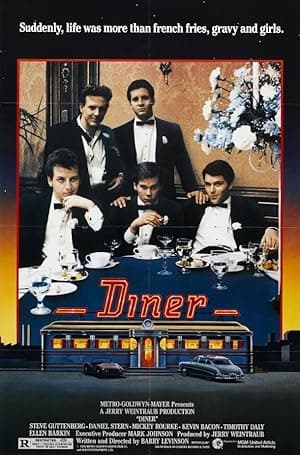
Diner
A wedding on the horizon, a diner as confessional — and one man's doubt that makes the rest of them stop pretending.
The setup
Diner doesn't announce itself with grand themes. It sits you down in a booth, pours coffee and listens. What keeps the film alive is Edward "Eddie" Simmons — the prospective groom whose hesitation about marriage turns a bunch of wisecracks into something a little more urgent.
THE MOVIE
Edward "Eddie" Simmons is still the reason this movie works
Diner is deceptively simple: set in Baltimore in 1959, it follows six friends who keep coming back to the same neighbourhood coffee joint while one of them gets ready to wed. That recurring setting — the booth, the coffee, the late-night chatter — is where the film does its work.
At the centre is Edward "Eddie" Simmons, a prospective groom whose doubts about marrying his fiancée quietly push every conversation into sharper focus. Eddie's uncertainty isn't a headline plot; it's the small, stubborn motor that makes everyone else talk, joke and, occasionally, squirm.
Barry Levinson wrote and directed Diner as his first theatrical feature, and he built the film around male friendship and loose, conversational scenes. Levinson encouraged improvisation and left many diner sequences until late in shooting so the cast could find that easy, lived-in chemistry — which feels less like a trick and more like eavesdropping on a group of mates.
THE SETUP
The idea that sets Diner in motion
This isn't a film that builds to a single big pay-off. Instead, it's episodic: a stack of conversational vignettes and overlapping scenes that hang together because the people in them do.
The recurring conceit is obvious and effective — a group of friends who return to a neighbourhood diner while one member prepares to marry — but Levinson treats it as an excuse to listen. The plot isn't so much driven forward as revealed, piece by piece, through talk.
Eddie's impending wedding provides the narrative thread. His indecision is the needle around which small domestic complaints, old rivalries and daft rituals all thread themselves.
Because the film prefers extended, lived-in scenes to forced arcs, the diner functions less like a set-piece and more like a social stage where each exchange nudges the group toward confronting adult life — or deciding not to.
THE CHARACTER
Why Edward "Eddie" Simmons matters
Steve Guttenberg plays Edward "Eddie" Simmons, and Eddie's role isn't flashy. He isn't the loudest or the cleverest in the booth. He's the man whose private worry — should I marry Elyse? — turns casual banter into something sharper.
What makes Eddie memorable is how ordinary his problem feels. It's not a crisis invented for drama; it's a real, recognisable hesitation that triggers conversations about jobs, money and compromise. His doubt becomes the group's mirror: they joke at the surface, but the same subject nags at them too.
Eddie isn't isolated. His friends treat the diner as a confessional and a proving ground. The presence of Eddie's father in the periphery reminds you there are expectations waiting outside that booth, practical pressures nudging at their jokes.
Because the film centres on male friendship, Eddie matters not as a solitary hero but as the hinge. Without him, the group keeps being funny. With him, the humour gathers an edge — you can see adulthood arriving at the table, one awkward sentence at a time.
UNDER THE SURFACE
Diner has more on its mind than the plot suggests
On paper Diner is about a man who might not want to marry. In practice it's about a group of men who keep meeting to confirm they're still the people they were, and to postpone becoming who they'll be.
Male friendship and camaraderie are the film's beating heart. These men have rituals — routines of teasing, bragging and keeping score — that feel less like macho posturing and more like a way to measure one another against a time when the future still looked optional.
There is a constant tug-of-war between coming-of-age and resisting adulthood. The wedding is a deadline that forces conversations about jobs, debts and responsibility, yet the men repeatedly retreat to ritual and ritualised humour to delay the inevitable.
Nostalgia is present, but Diner's period authenticity isn't just prettified memory. It gives the characters something concrete to cling to: a specific moment when young men's lives were about to pivot, and the rituals at the diner were their last comfortable practice runs.
PURE 80S
Diner could not belong to any other decade
Diner arrived in 1982, but its concerns — male camaraderie, the awkward slide into adult responsibilities — resonated with a cinema that was just beginning to foreground ensembles and extended talking scenes. In that sense it helped define a certain 80s hangout film sensibility.
The movie also functions as an early career showcase: several actors were at the start of their motion-picture lives here, and the film helped put names on the map for the rest of the decade.
Production details underline that no one was trying to fake the setting. Principal photography started in Baltimore and Levinson even transported a fully functioning diner from New Jersey. That kind of practical choice keeps the film feeling rooted rather than decorative.
Its premiere in Baltimore and staggered release thereafter made Diner feel like a word-of-mouth find in 1982 — the sort of film that built a reputation because people recognised something true in the way friends behave when no one is watching them closely.
THE LEGACY
Why Diner still matters
The screenplay earned an Academy Award nomination for Best Original Screenplay, which is a pretty tidy way of saying the film's writing — its ear for how people actually talk — was noticed early on.
Diner didn't stay just on screen: it inspired a 1983 television pilot and later became a stage musical with a book by Barry Levinson and music by Sheryl Crow. That afterlife shows the story's flexibility: it's one of those pieces that can be reshaped without losing what made it feel honest.
Critics and retrospectives continue to return to Diner as a formative example of the hangout ensemble; the movie helped raise several cast members' profiles and remains a reference point when people talk about conversational, character-driven comedies.
Official recognition followed too: the American Film Institute has placed Diner on its lists, a reminder that the film's mix of humour, period detail and plain human argument has lasted beyond its initial run.
THE VERDICT
Does Diner still hold up?
Yes — if what you want is a film that listens. Diner's episodic structure trades fireworks for small, truthful moments, and that approach still pays off: the diner itself is the social hub where conversations reveal who these men are and what they're avoiding.
Eddie's hesitation about marrying Elyse is a modest drama, but it's the right kind of modest: the personal unease powers larger conversations about work, debts and responsibility, and watching the group respond still feels alive.
There are reasons to watch it now beyond nostalgia. The screenplay was singled out by the Academy, Mickey Rourke's Boogie received critical awards attention, and the film helped launch several careers — which is to say it captured a cast at a moment when they could still surprise you.
If you want a neat ending or a tight plot, this isn't the film for you. If you want to sit in a booth, overhear men trying to make sense of getting older and chuckle at how they manage to defer maturity with rituals and jokes, Diner still does the job. It's less about spectacle and more about being in a room where people finally say what they mean, and that's worth the price of admission.
Share this movie
Keep watching
More movies from the 80s
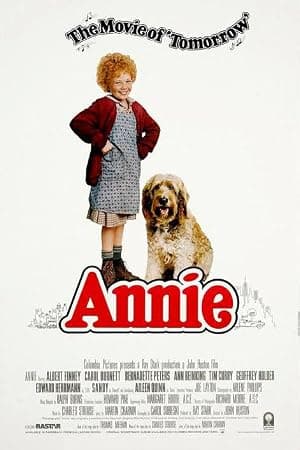
1982
Annie
Annie: family and freedom, and why this 1982 movie still matters.
Read our take →
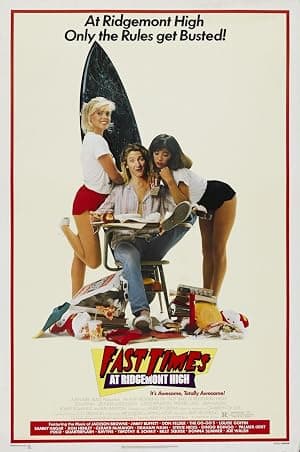
1982
Fast Times at Ridgemont High
Teenage hormones, mall jobs and one surfer who won't be quiet about it.
Read our take →
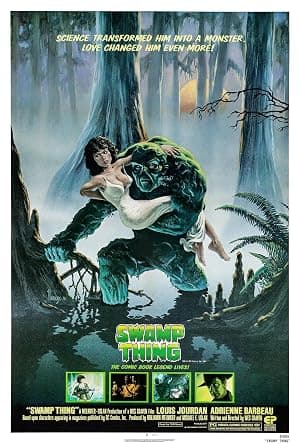
1982
Swamp Thing
Swamp Thing: freedom and fear, and why this 1982 movie still matters.
Read our take →