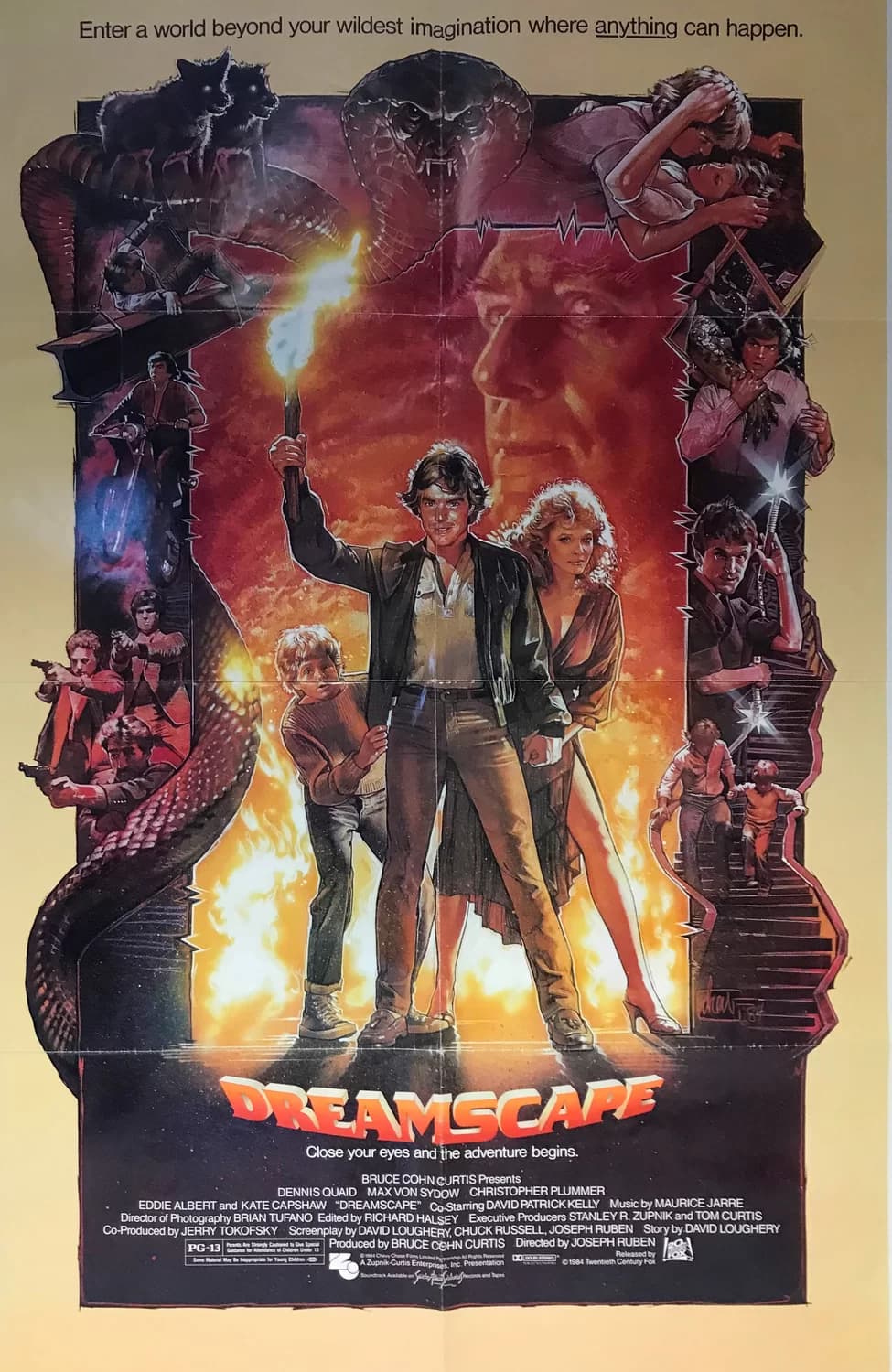
The setup
Dreamscape arrived in 1984, directed by Joseph Ruben. Alex Gardner is a psychic who has been using his talents solely for personal gain, which mainly consists of gambling and womanizing. Decades later, it is worth looking at why the film still connects with audiences.
THE MOVIE
Alex Gardner is still the reason this movie works
Dreamscape was released in 1984 and directed by Joseph Ruben. Rather than simply retelling the plot, the film is worth revisiting for the characters, conflicts and ideas that give its story its identity.
Authority, Freedom and Power emerge through what the characters face and the choices they make, giving the story more to explore beyond its immediate plot.
Alex Gardner, Paul Novotny and Bob Blair do not begin the film seeing one another clearly, and watching those first impressions break down is a big part of why Dreamscape still works.
THE SETUP
The idea that sets Dreamscape in motion
Elsewhere, alex Gardner is a psychic who has been using his talents solely for personal gain, which mainly consists of gambling and womanizing.
When he was 19 years old, Alex had been the prime subject of a scientific research project documenting his psychic ability but, in the midst of the study, he disappeared. That detail matters because it shapes the way the characters initially see one another.
After running afoul of a local gangster and extortionist named Snead, Alex evades two of Snead's thugs by allowing himself to be taken by two men: Finch and Babcock, who identify themselves as representing an academic institution. From there, the film can concentrate less on explaining the setup and more on what happens between the people inside it.
THE CHARACTER
Why Alex Gardner matters
Dennis Quaid plays Alex Gardner. Alex Gardner is a psychic who has been using his talents solely for personal gain, which mainly consists of gambling and womanizing.
Novotny convinces Alex to join the program in order to investigate Blair's intentions.
Alex gains experience with the technique by helping a man who is worried about his wife's infidelity and by treating a young boy named Buddy, who is plagued with nightmares so terrible that a previous psychic lost his sanity trying to help him.
THE PERFORMANCE
Why Paul Novotny matters
Max von Sydow plays Paul Novotny. At the institution, Alex is reunited with his former mentor, Dr. Paul Novotny, who is now involved in government-funded psychic research.
Novotny, aided by fellow scientist Dr. Jane DeVries, has developed a technique that allows psychics to voluntarily link with the minds of others by projecting themselves into the subconscious during REM sleep.
Novotny equates the original idea for the dreamscape project to the practice of the Senoi natives of Malaysia, who believe the dream world is just as real as reality.
UNDER THE SURFACE
Dreamscape has more on its mind than the plot suggests
Dreamscape has more on its mind than the basic setup suggests. authority sits close to the centre of the film, but it is explored through the characters rather than treated like a lesson.
freedom matters just as much. The film keeps challenging the assumptions its characters make about one another, which is where much of its emotional weight comes from.
There is also plenty here about power and family. Those ideas overlap rather than sitting in separate boxes, which helps the movie feel like a story about people rather than a checklist of themes.
PURE 80S
Dreamscape could not belong to any other decade
Dreamscape could hardly be separated from the decade that produced it. Released in 1984, it carries the attitudes, style and filmmaking rhythms of the 1980s without needing to announce them.
It also sits comfortably within the era's horror, science fiction and thriller filmmaking, even if the movie itself is more interesting than any single genre label suggests.
That is part of why it still appears in conversations about 1980s movies and 1980s horror movies. The film has become tied not only to its own story but to the wider memory of what 1980s movies felt like.
WATCHING IT NOW
What has aged — and what hasn't
Watching Dreamscape now means seeing both what has lasted and what unmistakably belongs to 1984.
What still works best is the human material. Ideas around authority, freedom and power have not stopped being relevant simply because the clothes, language and cultural references belong to another era.
Some moments inevitably land differently for a modern audience. Revisiting an older film properly means enjoying what still works without pretending every choice has aged equally well.
THE LEGACY
Why Dreamscape still matters
A large part of that staying power comes from the characters. Alex Gardner, Paul Novotny and Bob Blair are still useful shorthand for the personalities and pressures the film explores.
Dreamscape has lasted because people continue to recognise something in it. Nostalgia helps, but nostalgia alone does not keep a movie in the conversation for decades.
THE VERDICT
Does Dreamscape still hold up?
So, does Dreamscape still hold up? Yes — although watching a film from 1984 honestly means accepting that not every moment will land exactly as it once did.
The film still has something recognisable to say about authority, freedom and power, and its characters stop those ideas from feeling abstract.
Dreamscape remains worth revisiting because characters such as Alex Gardner, Paul Novotny, Bob Blair, Jane DeVries and Tommy Ray Glatman still feel like people rather than labels once the film gets underneath the stereotypes.
Share this movie
Keep watching
More movies from the 80s
1984
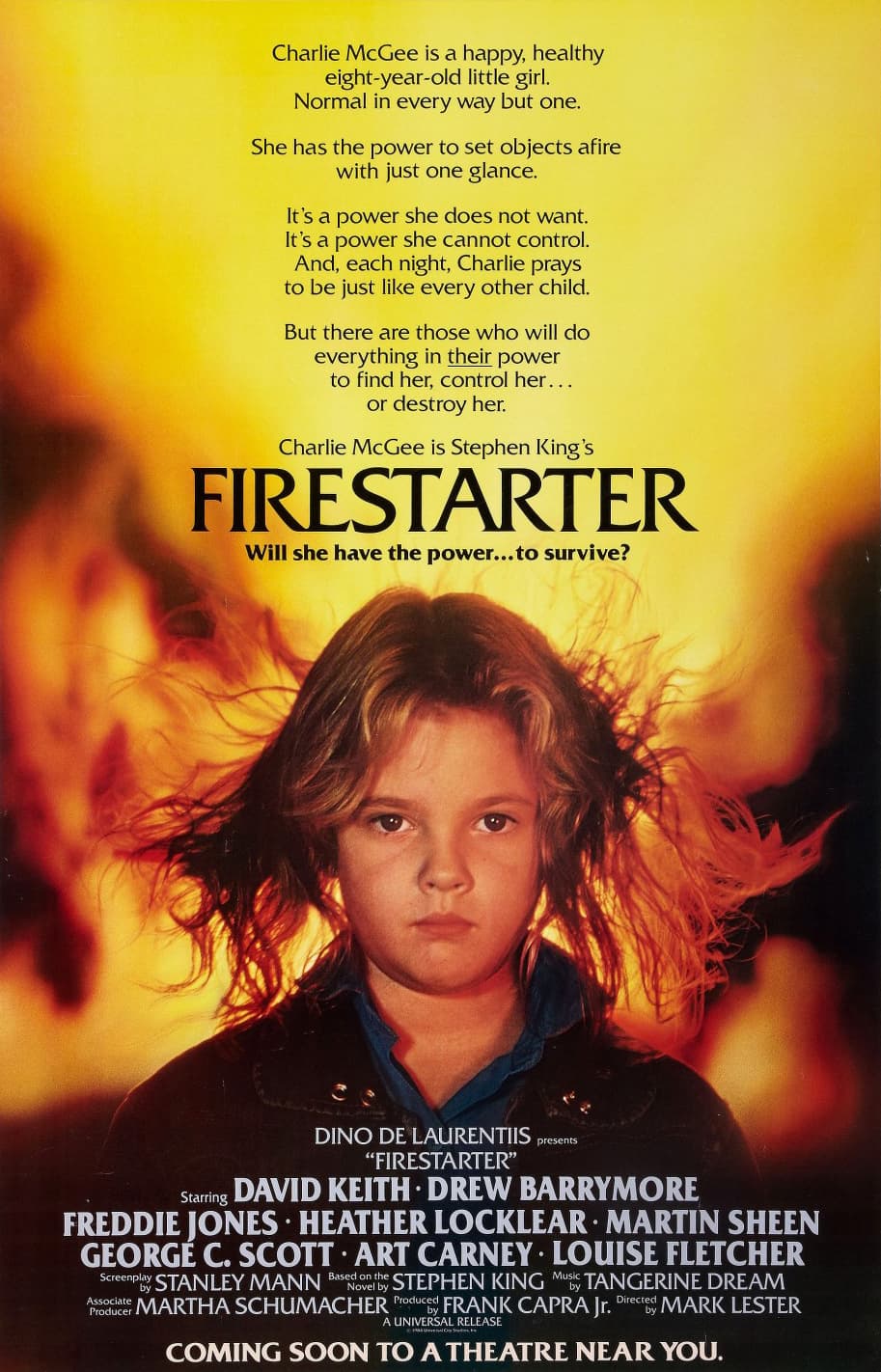
Firestarter
Firestarter: family and parents protecting their children, and why this 1984 movie still matters.
Read our take →
1983
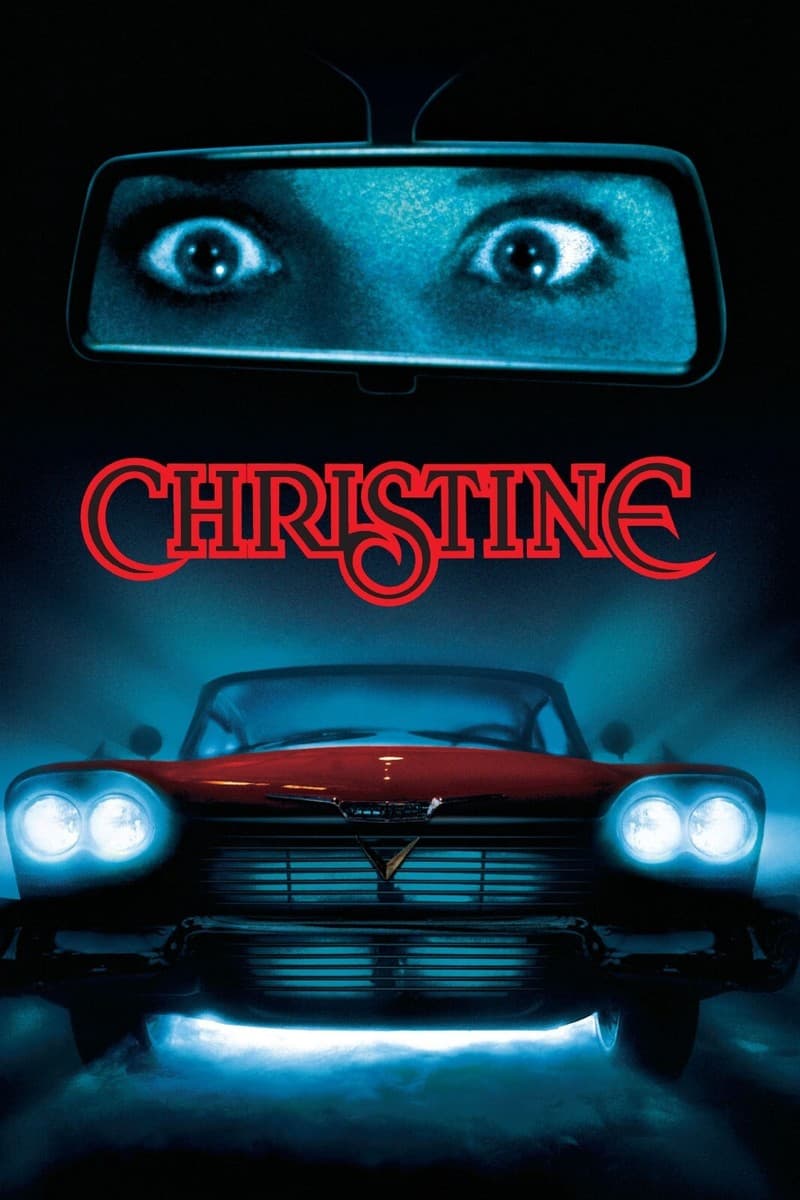
Christine
Obsession, adolescence and a car that won't let go.
Read our take →
1985
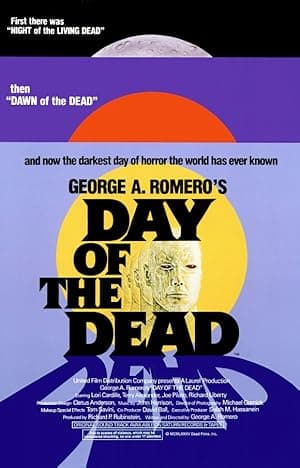
Day of the Dead
A bunker drama with zombies, a scientist who won a festival, and a soldier who won't listen.
Read our take →