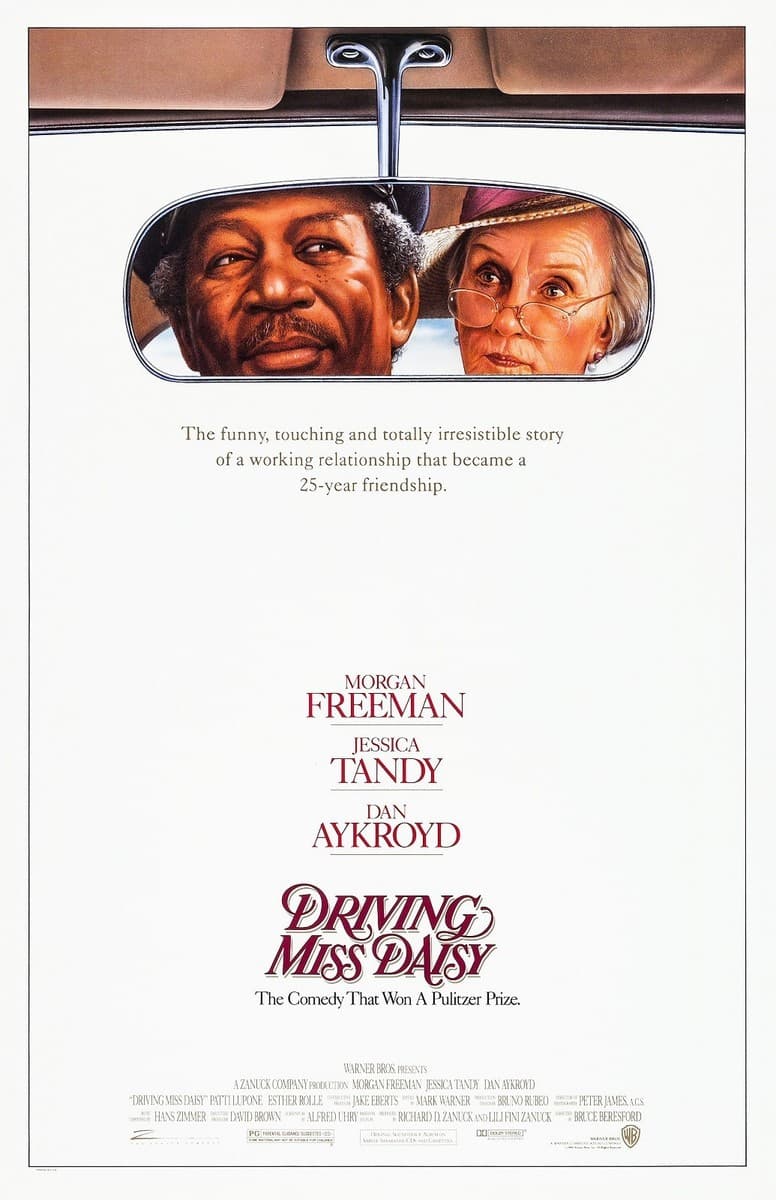
Driving Miss Daisy
Driving Miss Daisy: mortality and lifespan and the safety of home, and why this 1989 movie still matters.
The setup
Driving Miss Daisy arrived in 1989, directed by Bruce Beresford. In 1948, Miss Daisy Werthan, a 72-year-old wealthy, Jewish, widowed, retired schoolteacher, lives alone in Atlanta, Georgia, except for a black housekeeper, Idella, who comes in daily. Decades later, it is worth looking at why the film still connects with audiences.
THE MOVIE
Hoke Colburn is still the reason this movie works
Driving Miss Daisy was released in 1989 and directed by Bruce Beresford. Rather than simply retelling the plot, the film is worth revisiting for the characters, conflicts and ideas that give its story its identity.
Mortality and lifespan, Home and safety and Family emerge through what the characters face and the choices they make, giving the story more to explore beyond its immediate plot.
Hoke Colburn, Daisy Werthan and Boolie Werthan do not begin the film seeing one another clearly, and watching those first impressions break down is a big part of why Driving Miss Daisy still works.
THE SETUP
The idea that sets Driving Miss Daisy in motion
That part of the story matters here for a different reason than it does elsewhere in the article.
Boolie tells Hoke that Daisy may not appreciate his efforts, but she cannot fire him, because Boolie is his employer. From there, the film can concentrate less on explaining the setup and more on what happens between the people inside it.
THE CHARACTER
Why Hoke Colburn matters
Morgan Freeman plays Hoke Colburn. When Daisy accidentally drives her 1946 Chrysler Windsor into her neighbor's yard, her 40-year-old son, Boolie, buys her a Hudson Commodore and hires 60-year-old Hoke Colburn, a black chauffeur, as Daisy can no longer drive due to her being a high insurance risk.
At first, Daisy refuses to let anyone drive her, but Hoke's patience pays off, and she reluctantly accepts the first two trips; one to the Piggly Wiggly supermarket, the other to her synagogue.
Then she tries to get Boolie to fire Hoke after she had discovered a can of salmon missing from her pantry which she believes Hoke had stolen the previous day.
THE PERFORMANCE
Why Daisy Werthan matters
Jessica Tandy plays Daisy Werthan. In 1948, Miss Daisy Werthan, a 72-year-old wealthy, Jewish, widowed, retired schoolteacher, lives alone in Atlanta, Georgia, except for a black housekeeper, Idella, who comes in daily.
However, the following morning when arriving for work, and without knowing that Miss Daisy had even noticed the missing can, Hoke tells her that he has brought a replacement can because he had eaten the salmon himself the previous evening because the leftovers she had provided for his dinner were inedible.
As Daisy and Hoke spend time together, she comes to appreciate his many skills.
UNDER THE SURFACE
Driving Miss Daisy has more on its mind than the plot suggests
Driving Miss Daisy has more on its mind than the basic setup suggests. mortality and lifespan sits close to the centre of the film, but it is explored through the characters rather than treated like a lesson.
the safety of home matters just as much. The film keeps challenging the assumptions its characters make about one another, which is where much of its emotional weight comes from.
There is also plenty here about family and loss. Those ideas overlap rather than sitting in separate boxes, which helps the movie feel like a story about people rather than a checklist of themes.
PURE 80S
Driving Miss Daisy could not belong to any other decade
Driving Miss Daisy could hardly be separated from the decade that produced it. Released in 1989, it carries the attitudes, style and filmmaking rhythms of the 1980s without needing to announce them.
It also sits comfortably within the era's buddy, comedy and drama filmmaking, even if the movie itself is more interesting than any single genre label suggests.
That is part of why it still appears in conversations about 1980s movies and 1980s buddy movies. The film has become tied not only to its own story but to the wider memory of what 1980s movies felt like.
WATCHING IT NOW
What has aged — and what hasn't
Watching Driving Miss Daisy now means seeing both what has lasted and what unmistakably belongs to 1989.
What still works best is the human material. Ideas around mortality and lifespan, the safety of home and family have not stopped being relevant simply because the clothes, language and cultural references belong to another era.
Some moments inevitably land differently for a modern audience. Revisiting an older film properly means enjoying what still works without pretending every choice has aged equally well.
THE LEGACY
Why Driving Miss Daisy still matters
A large part of that staying power comes from the characters. Hoke Colburn, Daisy Werthan and Boolie Werthan are still useful shorthand for the personalities and pressures the film explores.
Driving Miss Daisy has lasted because people continue to recognise something in it. Nostalgia helps, but nostalgia alone does not keep a movie in the conversation for decades.
THE VERDICT
Does Driving Miss Daisy still hold up?
So, does Driving Miss Daisy still hold up? Yes — although watching a film from 1989 honestly means accepting that not every moment will land exactly as it once did.
The film still has something recognisable to say about mortality and lifespan, home and safety and family, and its characters stop those ideas from feeling abstract.
Driving Miss Daisy remains worth revisiting because characters such as Hoke Colburn, Daisy Werthan, Boolie Werthan, Florine Werthan and Idella still feel like people rather than labels once the film gets underneath the stereotypes.
Share this movie
Keep watching
More movies from the 80s
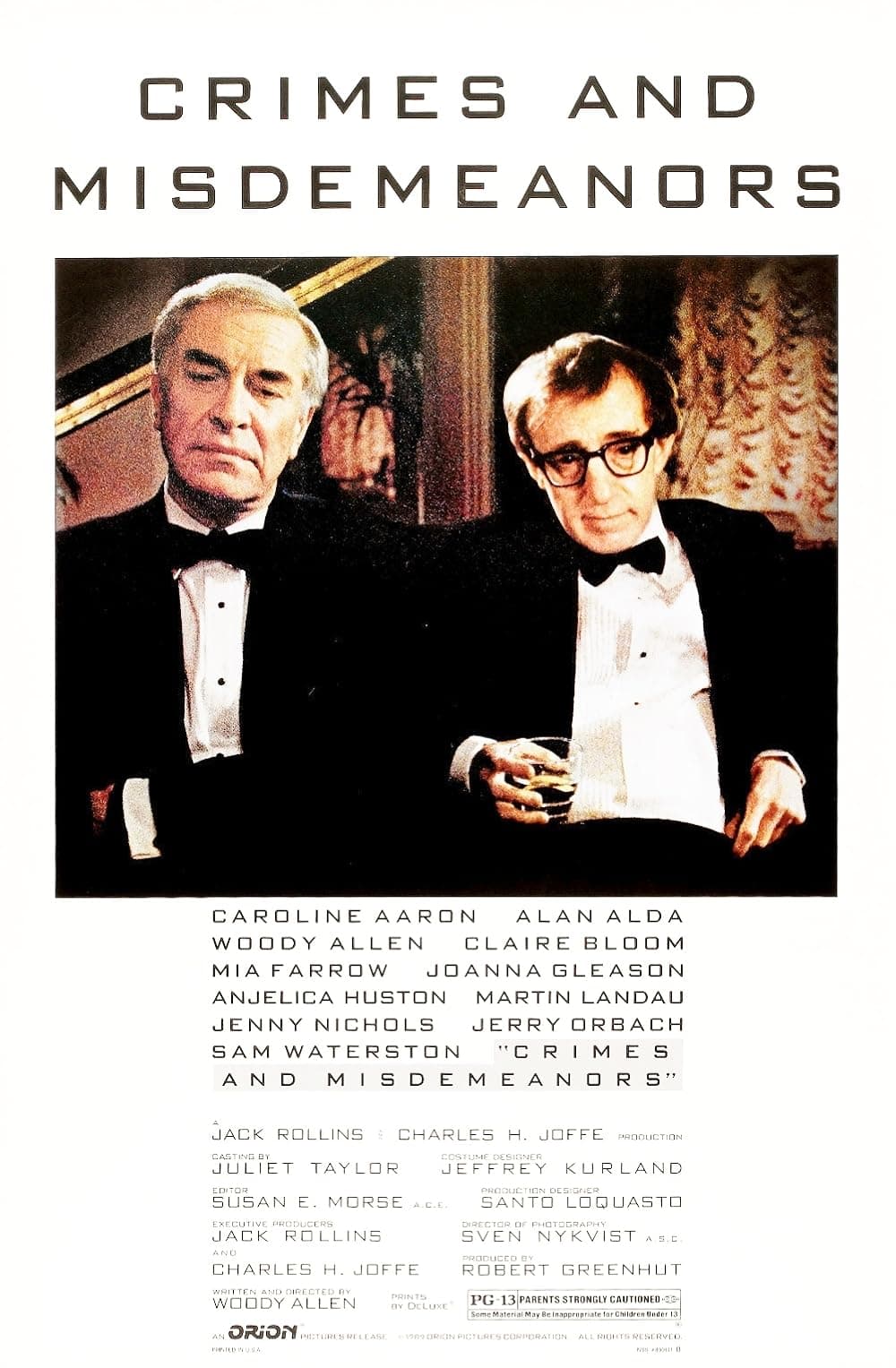
1989
Crimes and Misdemeanors
A genteel New York morality play where privilege meets decision — and conscience is the loudest character.
Read our take →
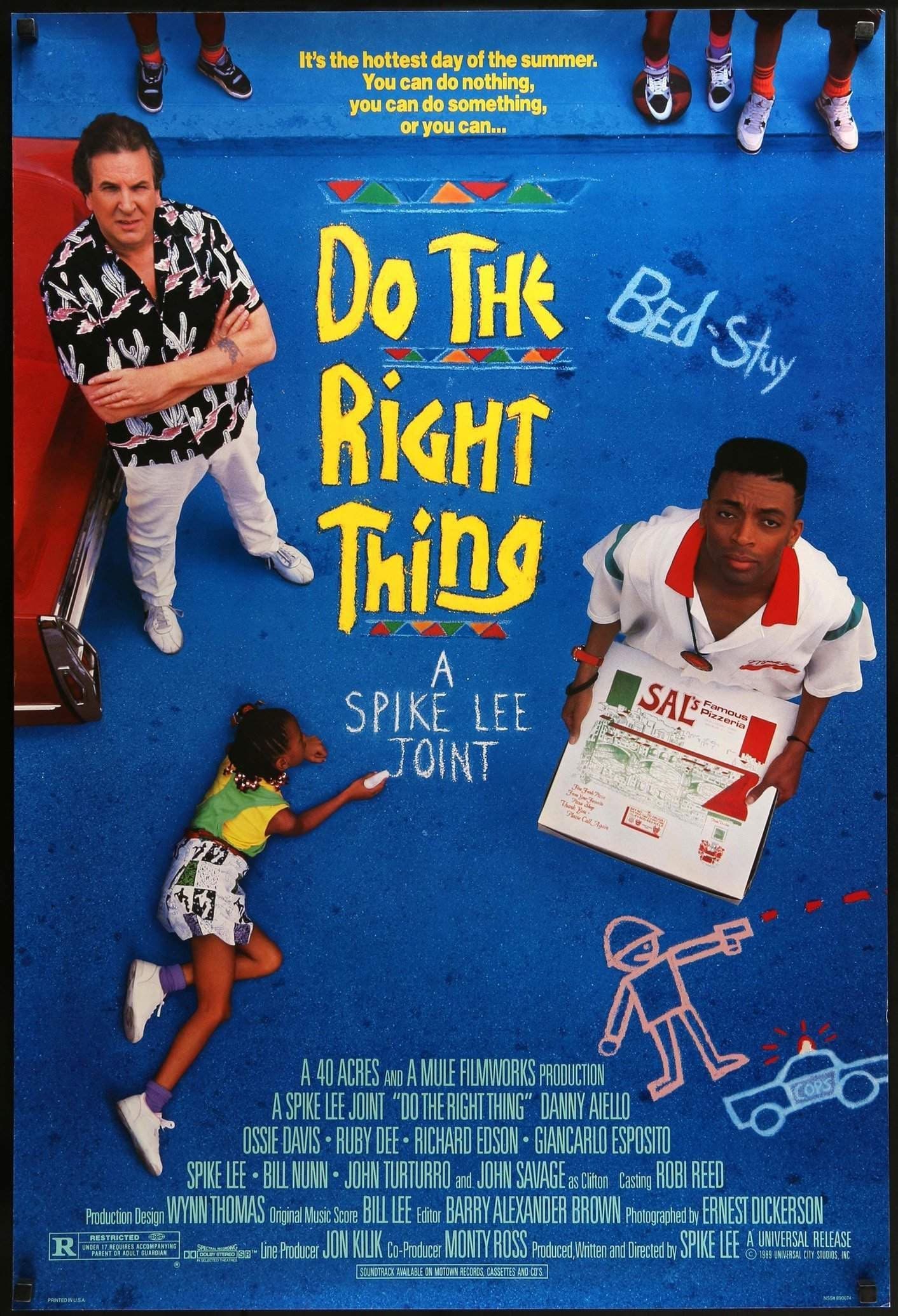
1989
Do the Right Thing
A day on one Brooklyn block that still asks the same uncomfortable question: what does 'doing the right thing' actually look like?
Read our take →
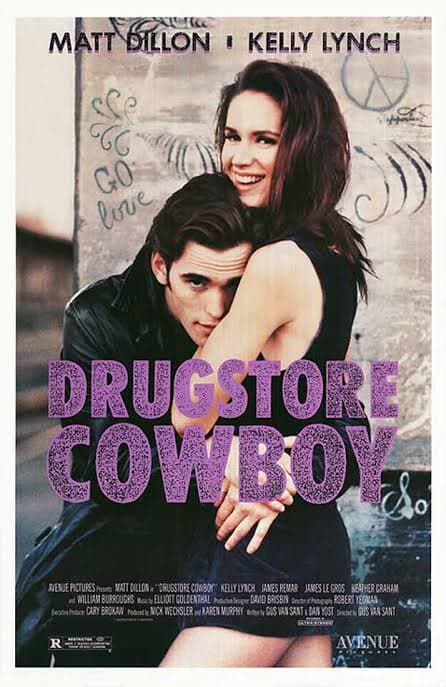
1989
Drugstore Cowboy
A heist movie where the loot is medicine and the real score is survival.
Read our take →