
Hellraiser
A puzzle box, a family that’s already broken, and a heroine who refuses to be another victim.
The setup
Hellraiser is the film that took Clive Barker’s taste for transgression and turned a small supernatural idea into a compact, unnerving thriller. At its centre is Kirsty Cotton — not a scream-queen who waits to be saved, but the practical, stubborn reason the story keeps moving. Solve the box at your peril.
THE MOVIE
Kirsty Cotton is still the reason this movie works
Start with the box. The Lemarchand Configuration is the movie’s curious heart: an object that promises experience and delivers something that utterly rewrites the rules of the house it’s in.
What follows is a tidy, terrifying premise — a man solves the box, is taken by the Cenobites, and then a spill of blood in the Cotton family home drags their lives into the same dark trade. That chain of events is blunt, effective and keeps the stakes personal rather than epic.
And holding it all together is Kirsty Cotton. She’s written and staged as the film’s active centre: the one who sees what the box does and fights, with plain instinct and moral clarity, to stop the damage. That focus — object, family, a clear protagonist — is why Hellraiser still feels like a single, tight thing rather than a parade of shocks.
THE SETUP
The idea that sets Hellraiser in motion
Hellraiser doesn’t waste time explaining its rules in long speeches. The puzzle box is the plot’s simple device: solve it and you open a doorway to the Cenobites’ world.
From there the personal stakes are immediate. Frank Cotton is trying to find a way back to flesh, and Kirsty is the person who realises what he’s become and what he needs to do to stop him.
The film’s momentum comes from the practical consequences of that premise. Frank can’t rebuild himself without blood, so every act of regeneration forces a confrontation in the house — each wound and each rescue is a step closer to the family’s moral collapse.
That economy — a mysterious object, a returned threat, and a protagonist who must act — gives the horror its grip. It’s not a cosmic disaster so much as a domestic emergency with supernatural tools.
THE CHARACTER
Why Kirsty Cotton matters
Kirsty isn’t ornamental. Ashley Laurence’s character is written as the one who refuses to accept the grotesque business her family has stumbled into, and that refusal shapes every choice she makes.
She’s also the family’s emotional compass. The Cotton household is already fractured: Larry is distant, and his past with Frank is part of the rot that the box exposes. Kirsty watches, reacts and acts — which turns her into the film’s moral and practical centre.
Importantly, other characters are driven by baser things that contrast with her steadiness. Julia’s desire and jealousy, and Larry’s complacency, make Kirsty’s clear-eyed insistence feel almost heroic by comparison.
Put another way: when the house becomes a theatre for resurrection and depravity, Kirsty is the person who keeps looking for a way out rather than a way in.
UNDER THE SURFACE
Hellraiser has more on its mind than the plot suggests
On the surface it’s about a box and the things it summons. Underneath, the movie keeps nudging at the same set of questions: what counts as pleasure, what counts as pain, and how thin the line between them can be.
That boundary is the film’s moral experiment. The Cenobites are presented as beings who collapse sensation into a single extreme; their presence forces characters into choices about desire, limits and the cost of sensation.
There’s also the bodily side: Hellraiser sits firmly in the territory of body horror. Resurrection isn’t polite; it’s a physical, sometimes grotesque process. The film makes flesh feel unstable and negotiable, which amplifies the unease.
Finally, it’s domestic and intimate. Family betrayal — past decisions that echo through the household — is what lets the supernatural in. The horrors aren’t abstract; they are the consequences of the family’s failures and hungers.
PRACTICAL EFFECTS
The effects work that gives Hellraiser its physical personality
A lot of Hellraiser’s power is tactile. The Cenobite looks and the scenes in which Frank is broken down and rebuilt are achieved through hands-on make-up work rather than tricks you couldn’t touch.
Bob Keen and a dedicated effects workshop created the practical prosthetics and costumes that make those moments feel concrete — you believe the film when it asks you to imagine a body being altered in horrifying ways.
Sequences of disassembly and partial restoration use staged rigging and stagecraft as much as make-up, so the uncanny results are mechanical as well as artistic. That materiality is central to the film’s personality: the horror has weight.
Because the work is physical, the movie’s grotesqueries sit in the same register as the story’s obsession with flesh and sensation — which is why the effects are not just spectacle but storytelling tools.
PURE 80S
Hellraiser could not belong to any other decade
Hellraiser arrived in 1987 at a moment when horror was getting brasher about bodies and extremes. It sits with a strand of 1980s work that didn’t shy away from physical transformation or theatrical excess.
That placement matters. Barker adapted his screenplay from a 1986 novella, and the film’s late‑80s production context — shot in North London and released in 1987 — ties it to an indie horror world that welcomed bold, transgressive ideas.
Critics and programme notes have routinely linked the film to the body‑horror traditions of the era: filmmakers like David Cronenberg were exploring similar terrains of physical change and abjection, and Hellraiser reads as another take on that obsession.
Finally, its route into American cinemas via independent-presenter networks of the time helped the film travel beyond the UK. It’s very much a product of the decade’s appetite for horror that pushed boundaries rather than smoothing them out.
THE LEGACY
Why Hellraiser still matters
One practical reason Hellraiser stays in conversations: it launched a franchise. The film supplied the core mythology and characters that subsequent sequels would revisit.
But the deeper reason is aesthetic. The Cenobite leader introduced here became the recognisable face of that mythology, a figure that later entries repeatedly returned to and that anchored the series’ identity.
Beyond merchandising or sequels, Hellraiser matters because it translated Barker’s novella into a compact feature that keeps the ethical tension — desire versus consequence, flesh versus identity — visibly in play.
Put simply: it established a look, a set of rules and a protagonist who could carry them, and those elements are what have allowed the film to remain a reference point within its own series.
THE VERDICT
Does Hellraiser still hold up?
Yes — but with a nuance. Hellraiser works because it keeps the story tightly local: a puzzle box opens a doorway, a man is taken, spilled blood pulls the horror back into a family house, and one woman tries to stop it. Those clear mechanics make it easy to follow and hard to forget.
The film’s moral architecture matters. Kirsty is the active protagonist who resists both the returning Frank and the Cenobites’ appetite; that focus gives the movie emotional traction beyond its shocks. Likewise, the fact that Frank needs fresh blood to rebuild his body keeps the stakes urgent and immediate.
Because Barker adapted his own novella and expanded a smaller character into a central heroine, the film benefits from a sharper viewpoint — it’s not just spectacle for spectacle’s sake but a story about choices and consequences played out in flesh.
If you’re curious about where Barker’s Hellraiser began — the box, the family betrayals, the Cenobites that would define a series — this is still the film to watch. It’s compact, purposeful and stubbornly specific in what it asks you to consider about pleasure, pain and what people will do to get what they want.
Featured in
Explore more about Hellraiser
Share this movie
Keep watching
More movies from the 80s

1987
A Nightmare on Elm Street 3: Dream Warriors
Nancy comes back to teach a new generation to fight Freddy — and she brings a team.
Read our take →
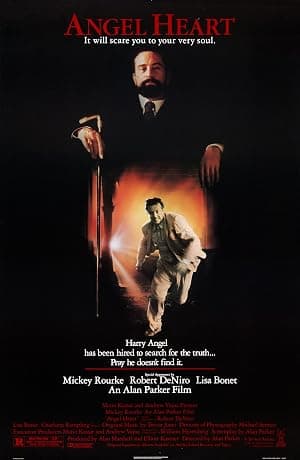
1987
Angel Heart
Angel Heart: family and the safety of home, and why this 1987 movie still matters.
Read our take →
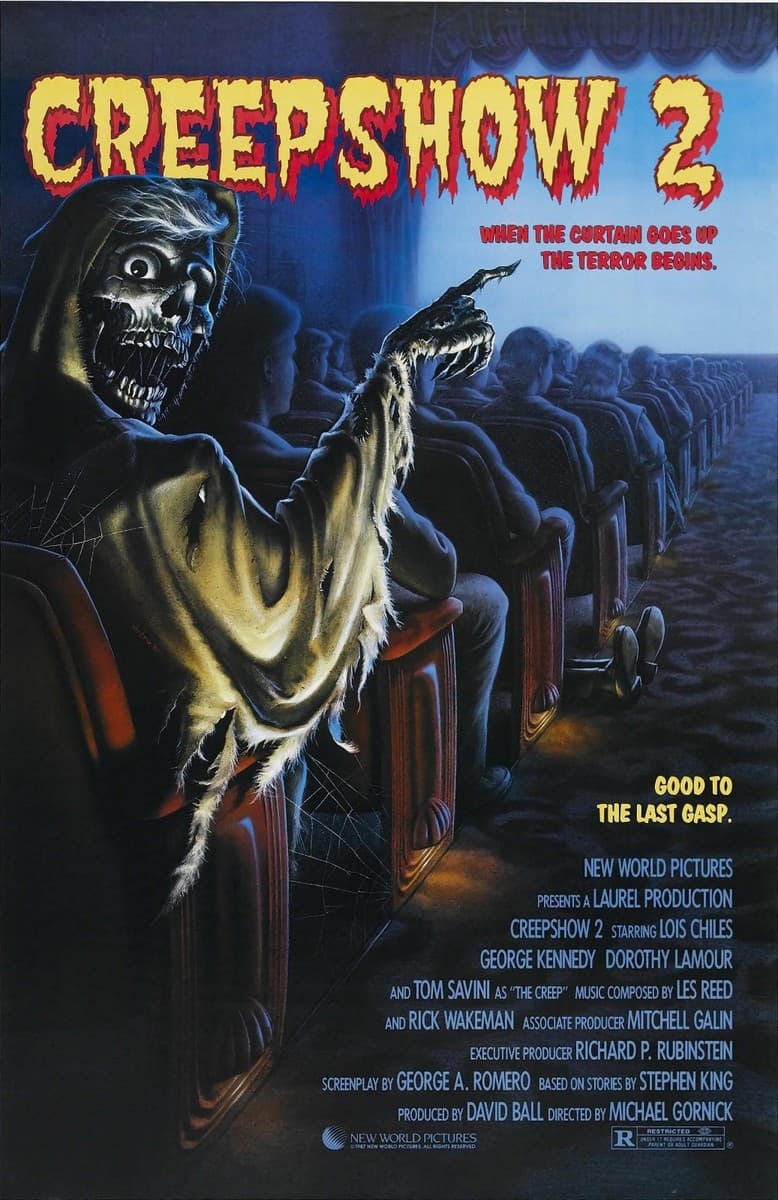
1987
Creepshow 2
Creepshow 2: freedom and family, and why this 1987 movie still matters.
Read our take →