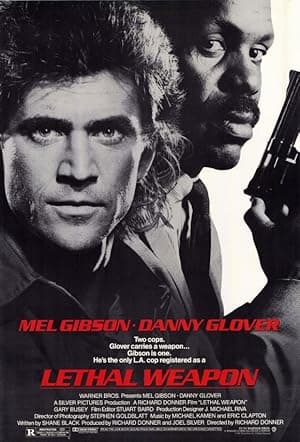
The setup
Lethal Weapon trades pure bravado for a strange, combustible chemistry: one partner who treats life like a dare, the other who’s counting birthdays and prayers. Directed by Richard Donner and anchored by Martin Riggs’s volatility, it still pulls you along whether you’re revisiting it or meeting Riggs and Murtaugh for the first time.
THE MOVIE
Martin Riggs is still the reason this movie works
If you can picture the movie in one moment, picture the man who treats danger like a solution. Lethal Weapon lands hard because it gives us Martin Riggs: a former Special Forces sniper whose grief after his wife’s death sits on his sleeve and fuels a streak of recklessness — the sort that makes everything around him unpredictable.
The film’s inciting note is grim — a woman falls from a high-rise and it looks like suicide — but it’s Riggs’s presence next to the older, family-minded Roger Murtaugh that turns the investigation into something else: an odd-couple partnership that carries most of the picture’s electricity.
Richard Donner steers the movie with a steady hand, and the pairing of Mel Gibson’s Riggs with Danny Glover’s Murtaugh becomes the engine. It’s a Christmas-time action drama with weight; the danger is literal, but the real charge is the friendship forming under pressure.
THE SETUP
The idea that sets Lethal Weapon in motion
At surface level the film is tidy: a homicide investigation into an apparent suicide that keeps widening until it’s about much more than one fall. The initial case is the trigger, but it isn’t the whole machine.
That tidy machine grows teeth when the partners uncover connections to a ring of mercenaries and veterans running a heroin-smuggling operation. The crime story keeps a procedural spine, but the discovery that wartime skills and loyalties have migrated into organised crime gives the plot extra bite.
Lethal Weapon mixes tones — detective work, escalating action and an urgent personal rescue — rather than staying in a single register. The later abduction of Murtaugh’s daughter raises the stakes in a way that forces Riggs and Murtaugh to move from investigation into full-on confrontation.
What makes the setup work is how those mechanics dovetail with character. The odd-couple partnership is not window dressing; it’s what turns a standard crime picture into something about men learning to depend on each other under stress.
THE CHARACTER
Why Martin Riggs matters
Riggs isn’t memorable because he’s flashy. He’s memorable because he’s fragile and dangerous in the same breath. The film gives us a trained killer who still carries the field; that military past makes his skill believable, and his grief gives him an edge that’s hard to ignore.
That grief is written into his behaviour: he’s reckless in a way that feels like a dare to death. The screenplay keeps returning to his suicidal impulses, which means many of the action set-pieces aren’t just spectacle — they also tell you something about the man pulling the trigger.
Opposite Riggs is Roger Murtaugh, an older, family-centred sergeant worrying about birthdays and retirement. That contrast — a man who’s lived through family life and a man who’s been hollowed out by loss — is the watchword of the partnership. Murtaugh’s normality gives Riggs an anchor, and Riggs gives Murtaugh a reason to re-evaluate what he’s prepared to risk.
Behind the physicality in the action there’s a practical reality: the leads trained for the work. The production’s weapons and physical preparation feed into Riggs’s credibility as a former Special Forces sniper who still knows how to operate under pressure.
THE PERFORMANCE
Why Mel Gibson's performance matters
Contemporary reviewers flagged Gibson as the film’s principal energy. That’s a careful way of saying Riggs needs someone who can be magnetically unstable, and critics at the time saw Gibson supplying that volatility.
The picture’s success depends on the chemistry between the two leads. Commentators noted the on-screen partnership with Glover as a primary strength — the film wouldn’t pull off its tonal shifts without that believable push-and-pull.
So when the camera asks Riggs to be dangerous, funny, wounded or suddenly human, the contemporary record shows reviewers felt Gibson supplied the magnetism that made those shifts stick.
Put simply: the performance was counted as a major reason the movie carried its dramatic weight at release.
UNDER THE SURFACE
Lethal Weapon has more on its mind than the plot suggests
At a glance it’s an action-crime picture. Under the surface it’s a study in masculine companionship: two very different men learning to rely on one another when both of their worlds are off-kilter.
The film also ties its villains and some of its violence to post‑Vietnam problems — veterans and mercenaries applying wartime skills to criminal ends. That link gives the action a particular moral texture; this is less anonymous crime and more the fallout of trained men finding new outlets for old instincts.
Grief and suicidal impulses are not a decoration in the script; they drive Riggs’s choices and make his danger feel personal rather than performative. That personal darkness asks the audience to read action through an emotional lens.
Finally, Lethal Weapon keeps returning to family and ageing: Murtaugh’s birthday, his retirement anxieties, the stakes of a kidnapped daughter. The film constantly balances professional duty against personal life, which is why it never feels like action for action’s sake.
THE FILMMAKING
How Lethal Weapon was put together
The film’s nuts-and-bolts are straightforward and professional. Production design was led by J. Michael Riva, and the picture was shaped within Silver Pictures before Warner Bros. handled distribution.
Stephen Goldblatt is credited as cinematographer and Stuart Baird as editor — names you don’t have to know to enjoy the film, but whose work keeps the action clean and easy to follow.
Richard Donner directs with the steady craftsmanship that the material needs: he doesn’t allow the movie to get lost in its own swagger, and he keeps the emotional beats readable amid the stunts.
Taken together, the production credits point to a film built to be watched rather than mystified: clear design, competent crew and a director who knows when to let the characters lead.
PRACTICAL EFFECTS
The effects work that gives Lethal Weapon its physical personality
The movie’s physical work is rooted in real stunts and hands-on preparation. A dedicated stunt coordinator ran weapons and physical training so the leads could move through action scenes with conviction.
One credited bit of stunt tech was a three-stage air bag designed for the production — a practical solution for a dangerous-looking sequence rather than a camera trick.
The final fistfight between Riggs and Joshua was shot across several nights and relied on extended practical staging; it’s not an optical set-piece but a sustained physical confrontation filmed in the moment.
All of this nudges the film toward a practical, tactile feel: the risk looks real because it’s staged to feel real.
PURE 80S
Lethal Weapon could not belong to any other decade
This film is very much a child of its era. It was Shane Black’s first produced screenplay — a success born from the 1980s spec-script market that was actively funneling fresh voices into studio features.
Contemporary critics and industry coverage placed Lethal Weapon alongside earlier buddy-cop pictures, and the film helped crystallise a template studios would lean on through the late eighties and into the nineties.
It opened in March 1987 and became one of the year’s higher-grossing American releases, the kind of commercial hit that studios used to justify sequels and more of the same.
Even the way it blends friendship, violence and family obligation reflects the decade’s appetite for action that keeps a human centre — a balance between spectacle and relationship that studios found profitable.
WATCHING IT NOW
What has aged — and what hasn't
If you watch Lethal Weapon today the partnership is the clearest survivor. Retrospectives and contemporary coverage continually point to the Riggs–Murtaugh pairing and their interplay as the elements that still engage viewers.
The film’s concerns about family, ageing and duty also read clearly: Murtaugh’s fears about retirement and his role as a father give the action an emotional anchor that hasn’t blurred with time.
Some of the movie’s spectacle is of its moment, but the human beats — the hazard of Riggs’s grief, the slow trust between two policemen — continue to feel direct and readable.
Finally, the movie’s commercial success at release helped it become a practical franchise starter, which is part of why it remains in circulation for new audiences to judge for themselves.
THE LEGACY
Why Lethal Weapon still matters
Part of the film’s afterlife is plainly practical: it launched a multi-picture franchise with sequels through the 1990s, all continuing the same central characters.
Beyond box-office returns, the property later became a television series, and the original film remains the anchor of those continuations — the source material that created a recognizable pairing to build on.
On an industry level, the movie’s commercial performance helped establish Joel Silver and Silver Pictures as producers of big-stakes action cinema, and it gave Shane Black a career-making start as a screenwriter.
Those outcomes — sequels, adaptation and industry momentum — explain why Lethal Weapon still turns up in anniversary pieces and industry histories: it created a dependable template studios could exploit.
THE VERDICT
Does Lethal Weapon still hold up?
Yes — if you come for character and the push-pull of a great odd-couple pairing. At its core the picture is about two men whose differences make them useful to each other: a volatile, grief-struck ex-soldier and a family-anchored cop worried about age and retirement.
The story combines a police procedural with a personal rescue, and that mix keeps the stakes both procedural and intimate. The villains’ wartime pasts tying into modern smuggling gives the action a sharper edge than anonymous criminality would.
Contemporary reviewers singled out Mel Gibson’s energy as a major reason the film worked, and the chemistry with Danny Glover remains the element that pulls everything together. Practical stunt work and clearly staged fight sequences help the action feel lived-in rather than purely flashy.
If you’re deciding whether to watch it now: expect an action movie that wears its emotional freight openly. It’s not merely nostalgia; it’s a thriller built around a hazardous friendship. That combination still lands.
Share this movie
Keep watching
More movies from the 80s
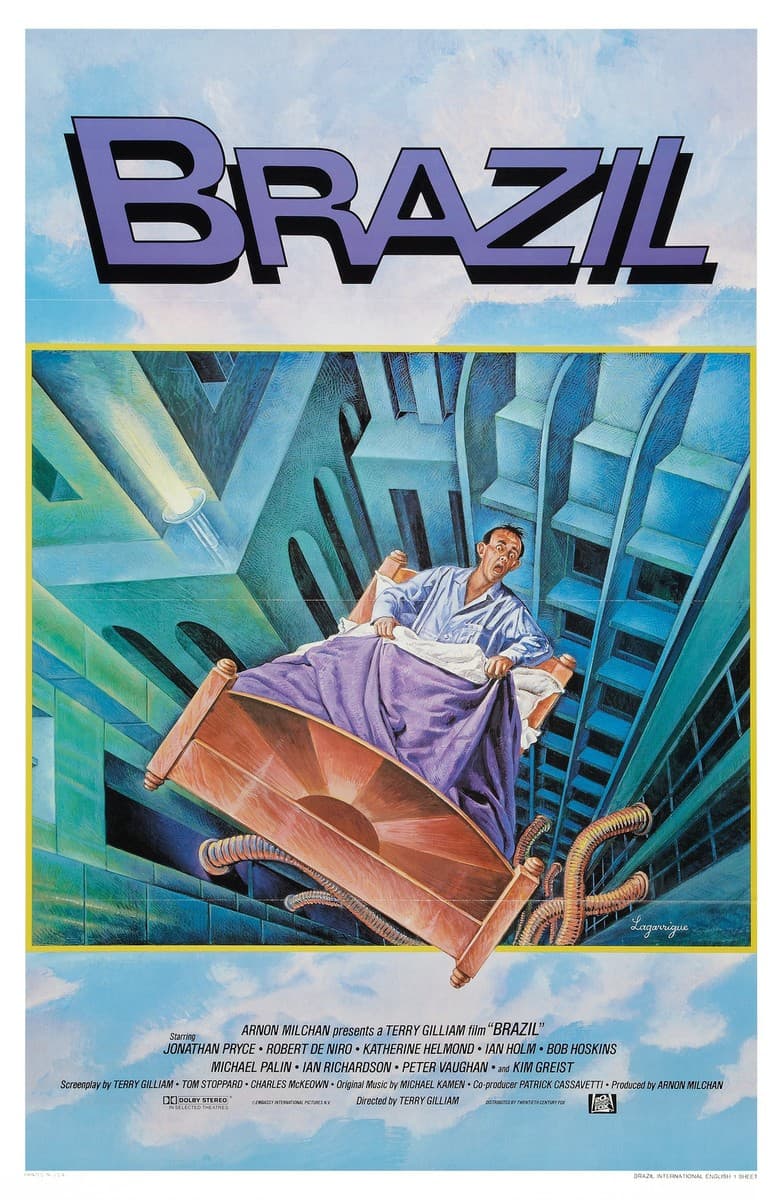
1985
Brazil
A man who daydreams his way out of paperwork—and into trouble.
Read our take →
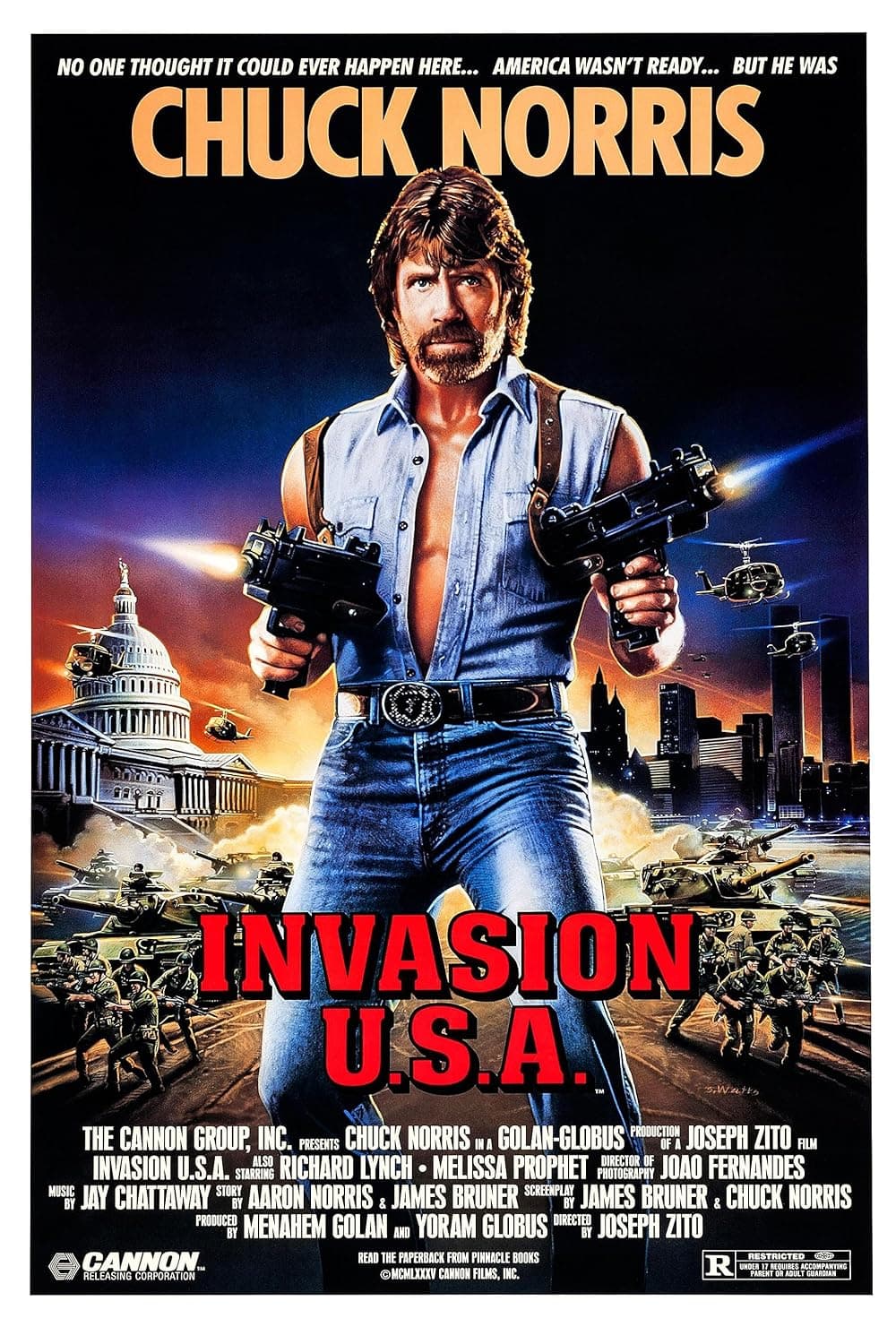
1985
Invasion U.S.A.
Invasion U.S.A.: fear and authority, and why this 1985 movie still matters.
Read our take →
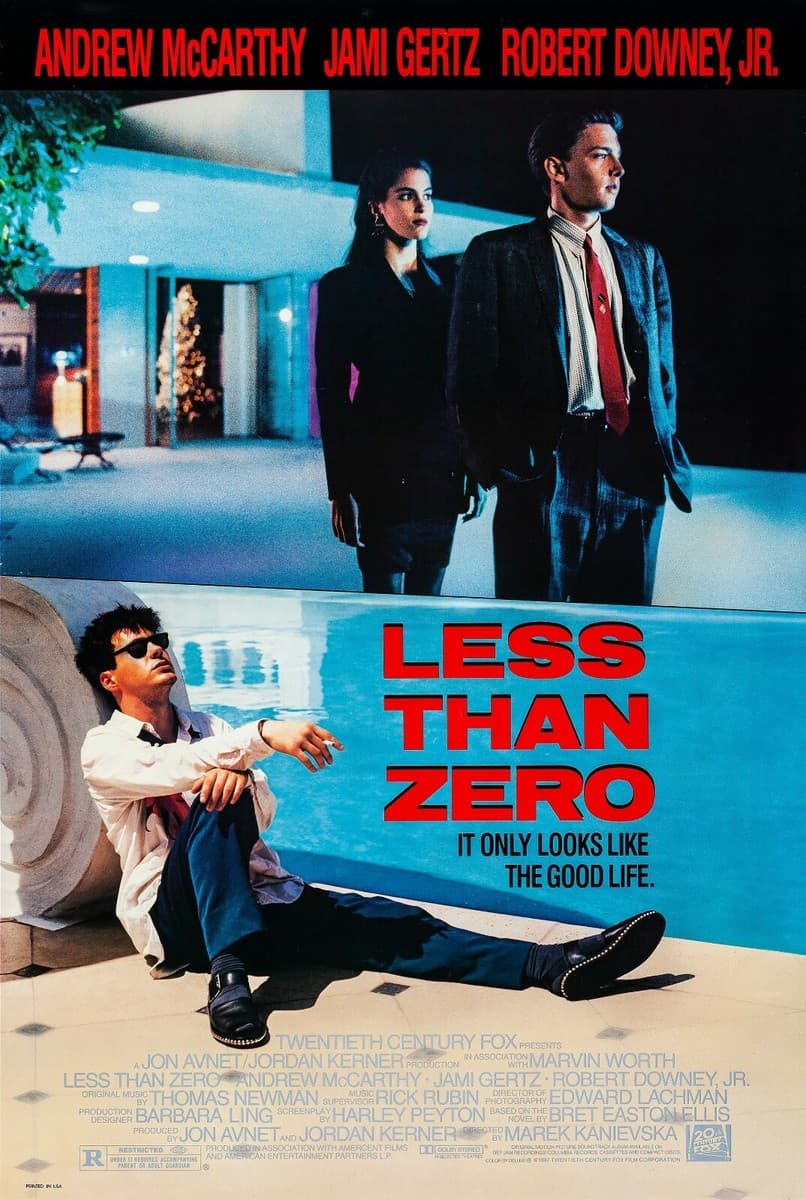
1987
Less Than Zero
Less Than Zero: family and friendship, and why this 1987 movie still matters.
Read our take →