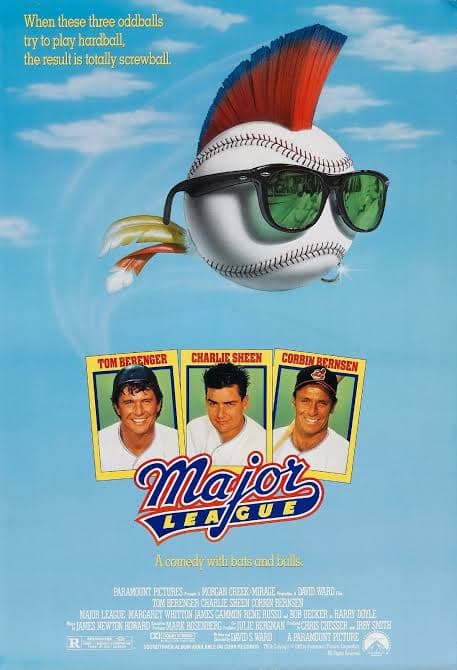
The setup
Major League arrived in 1989, directed by David S. Ward. Former Las Vegas showgirl Rachel Phelps inherits the struggling Cleveland Indians baseball team from her deceased husband. Decades later, it is worth looking at why the film still connects with audiences.
THE MOVIE
Jake Taylor is still the reason this movie works
Major League was released in 1989 and directed by David S. Ward. Rather than simply retelling the plot, the film is worth revisiting for the characters, conflicts and ideas that give its story its identity.
Power, Freedom and Corporate power emerge through what the characters face and the choices they make, giving the story more to explore beyond its immediate plot.
Dorn is nearing retirement and fears being injured, believing he has a future in acting, and so initially plays with little effort (despite believing himself to be a star player). do not begin the film seeing one another clearly, and watching those first impressions break down is a big part of why Major League still works.
THE SETUP
The idea that sets Major League in motion
Former Las Vegas showgirl Rachel Phelps inherits the struggling Cleveland Indians baseball team from her deceased husband.
She intends to move the team to Miami by exploiting an escape clause in their contract with the city of Cleveland: if their season attendance falls below a certain number, she can terminate the lease and move the team. That detail matters because it shapes the way the characters initially see one another.
In an act of sabotage, she plans to create the worst team in the major leagues, instructing team executives to cut the current players from the roster and replace them with rookies and washed-up veterans. From there, the film can concentrate less on explaining the setup and more on what happens between the people inside it.
THE CHARACTER
Why Jake Taylor matters
Tom Berenger plays Jake Taylor. Spring training begins in Tucson, Arizona, with Phelps' list of players likely to fail: Jake Taylor, a former all-star catcher with bad knees; veteran third baseman Roger Dorn, a prima donna more concerned with his financial portfolio than playing good baseball; aging starting pitcher Eddie Harris, who has resorted to doctoring the baseball; outfielder Pedro Cerrano, a voodoo-practicing power slugger who has trouble hitting breaking balls; speedy outfielder Willie Mays Hayes, who can steal bases but is a terrible hitter; and rookie pitcher Ricky Vaughn, an ex-con who has a fastball but no control, earning him the nickname "Wild Thing." The players struggle to come together as a team, with a feud developing between Dorn and Vaughn.
It helps explain the influence Jake Taylor has over the people around them.
Meanwhile, Taylor reconnects with his old girlfriend Lynn and tries to rekindle their relationship, even though she is engaged to another man. That relationship helps define Jake Taylor beyond the immediate plot mechanics.
THE PERFORMANCE
Why Ricky Vaughn matters
Charlie Sheen plays Ricky Vaughn.
It helps explain the influence Ricky Vaughn has over the people around them.
They discover that Vaughn suffers from poor eyesight, which explains his lack of control, and once fitted with glasses, he becomes a dominant pitcher.
At the same time, Vaughn is dejected after Brown chooses to go with veteran Harris in the playoff game.
UNDER THE SURFACE
Major League has more on its mind than the plot suggests
Major League has more on its mind than the basic setup suggests. power sits close to the centre of the film, but it is explored through the characters rather than treated like a lesson.
freedom matters just as much. The film keeps challenging the assumptions its characters make about one another, which is where much of its emotional weight comes from.
There is also plenty here about corporate power and authority. Those ideas overlap rather than sitting in separate boxes, which helps the movie feel like a story about people rather than a checklist of themes.
PURE 80S
Major League could not belong to any other decade
Major League could hardly be separated from the decade that produced it. Released in 1989, it carries the attitudes, style and filmmaking rhythms of the 1980s without needing to announce them.
It also sits comfortably within the era's comedy filmmaking, even if the movie itself is more interesting than any single genre label suggests.
That is part of why it still appears in conversations about 1980s movies and 1980s comedy movies. The film has become tied not only to its own story but to the wider memory of what 1980s movies felt like.
WATCHING IT NOW
What has aged — and what hasn't
Watching Major League now means seeing both what has lasted and what unmistakably belongs to 1989.
What still works best is the human material. Ideas around power, freedom and corporate power have not stopped being relevant simply because the clothes, language and cultural references belong to another era.
Some moments inevitably land differently for a modern audience. Revisiting an older film properly means enjoying what still works without pretending every choice has aged equally well.
THE LEGACY
Why Major League still matters
A large part of that staying power comes from the characters. Jake Taylor, Ricky Vaughn and third baseman Roger Dorn. are still useful shorthand for the personalities and pressures the film explores.
Major League has lasted because people continue to recognise something in it. Nostalgia helps, but nostalgia alone does not keep a movie in the conversation for decades.
THE VERDICT
Does Major League still hold up?
So, does Major League still hold up? Yes — although watching a film from 1989 honestly means accepting that not every moment will land exactly as it once did.
Nearly three-quarters of the way through the season, the team is 60–61, exceeding expectations, and fans have begun to fill the stands. That is the part that survives better than any hairstyle, soundtrack cue or piece of period slang.
The film still has something recognisable to say about power, freedom and corporate power, and its characters stop those ideas from feeling abstract.
Major League remains worth revisiting because characters such as Jake Taylor, Ricky Vaughn, third baseman Roger Dorn. Dorn is nearing retirement and fears being injured, believing he has a future in acting, and so initially plays with little effort (despite believing himself to be a star player)., Rachel Phelps and Lou Brown still feel like people rather than labels once the film gets underneath the stereotypes.
Share this movie
Keep watching
More movies from the 80s
1989
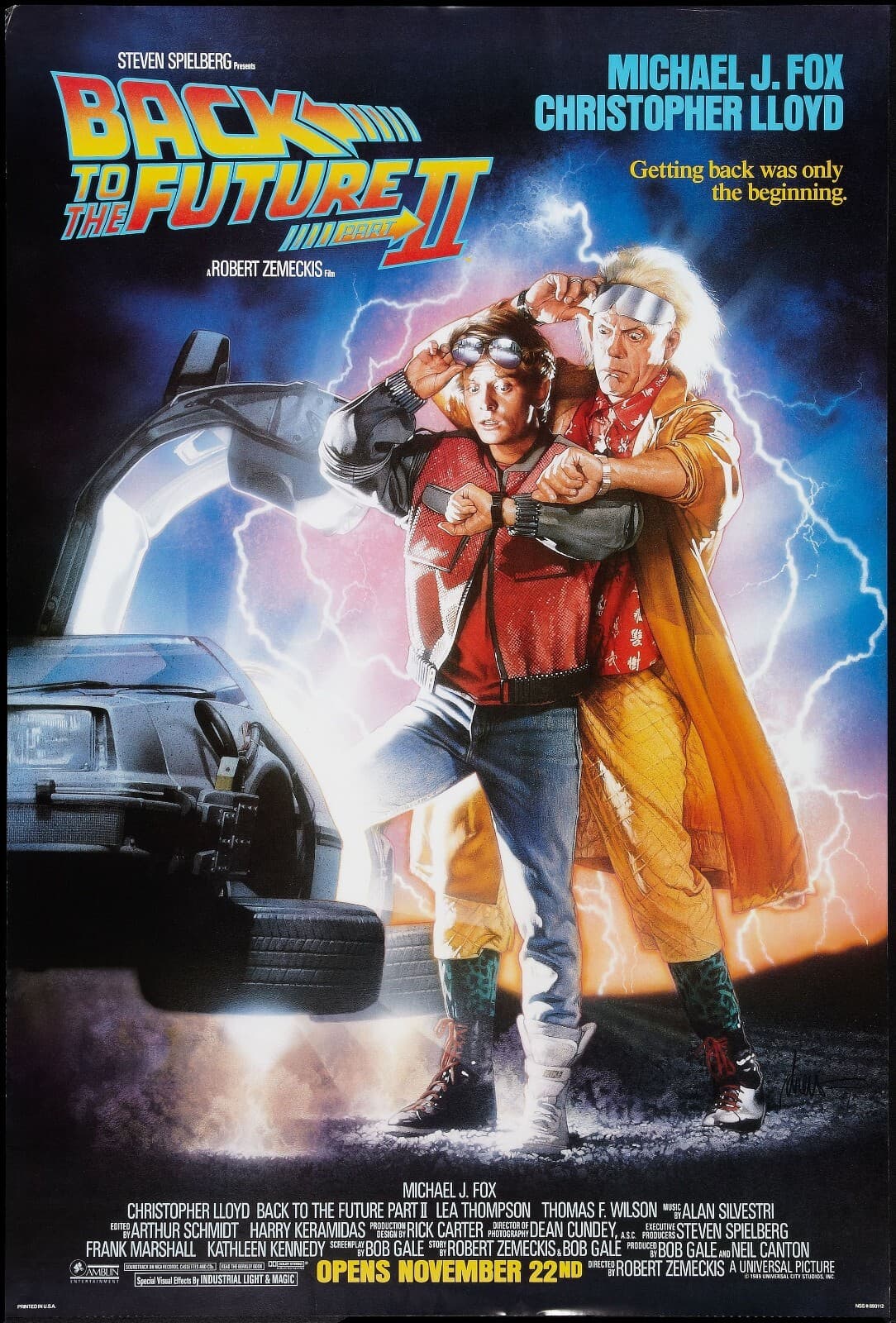
Back to the Future Part II
Hoverboards, alternate 1985s and one man trying to stop his whole family from unravelling—again.
Read our take →
1989
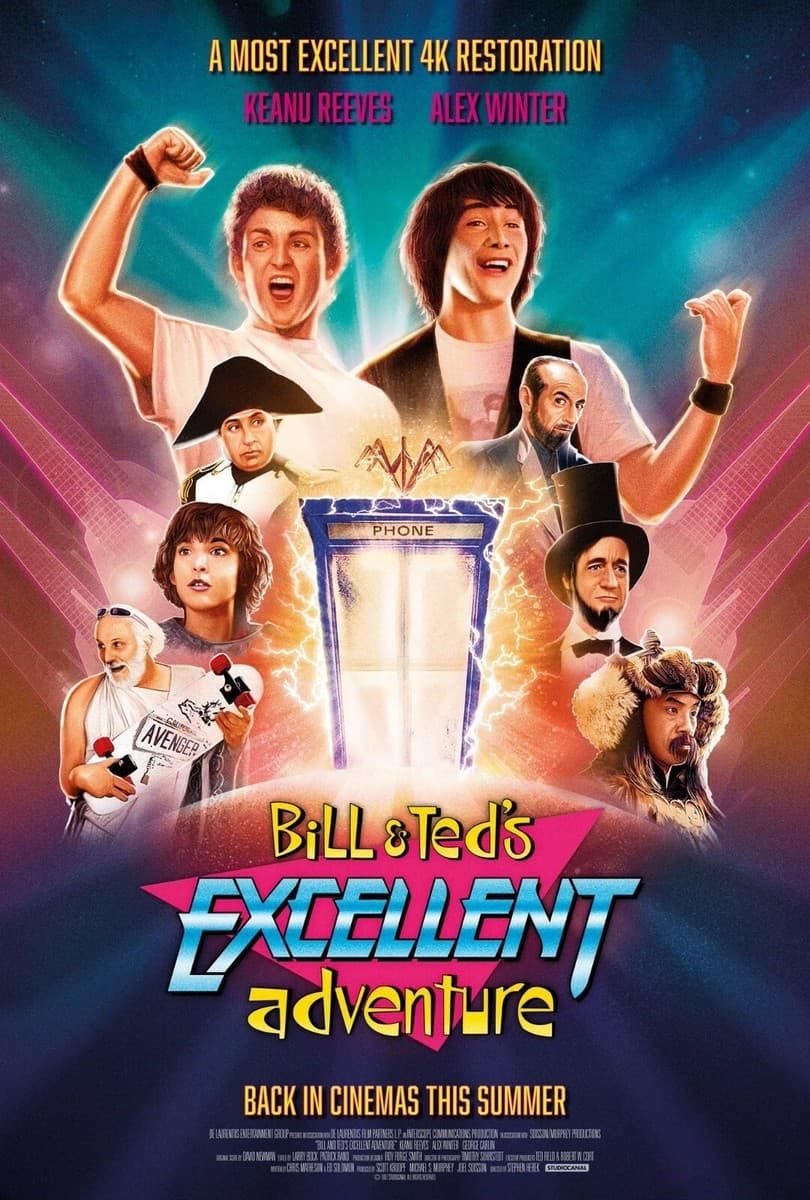
Bill & Ted's Excellent Adventure
A daft time‑travel comedy where being mates saves the world — and yes, Ted matters more than you remember.
Read our take →
1989
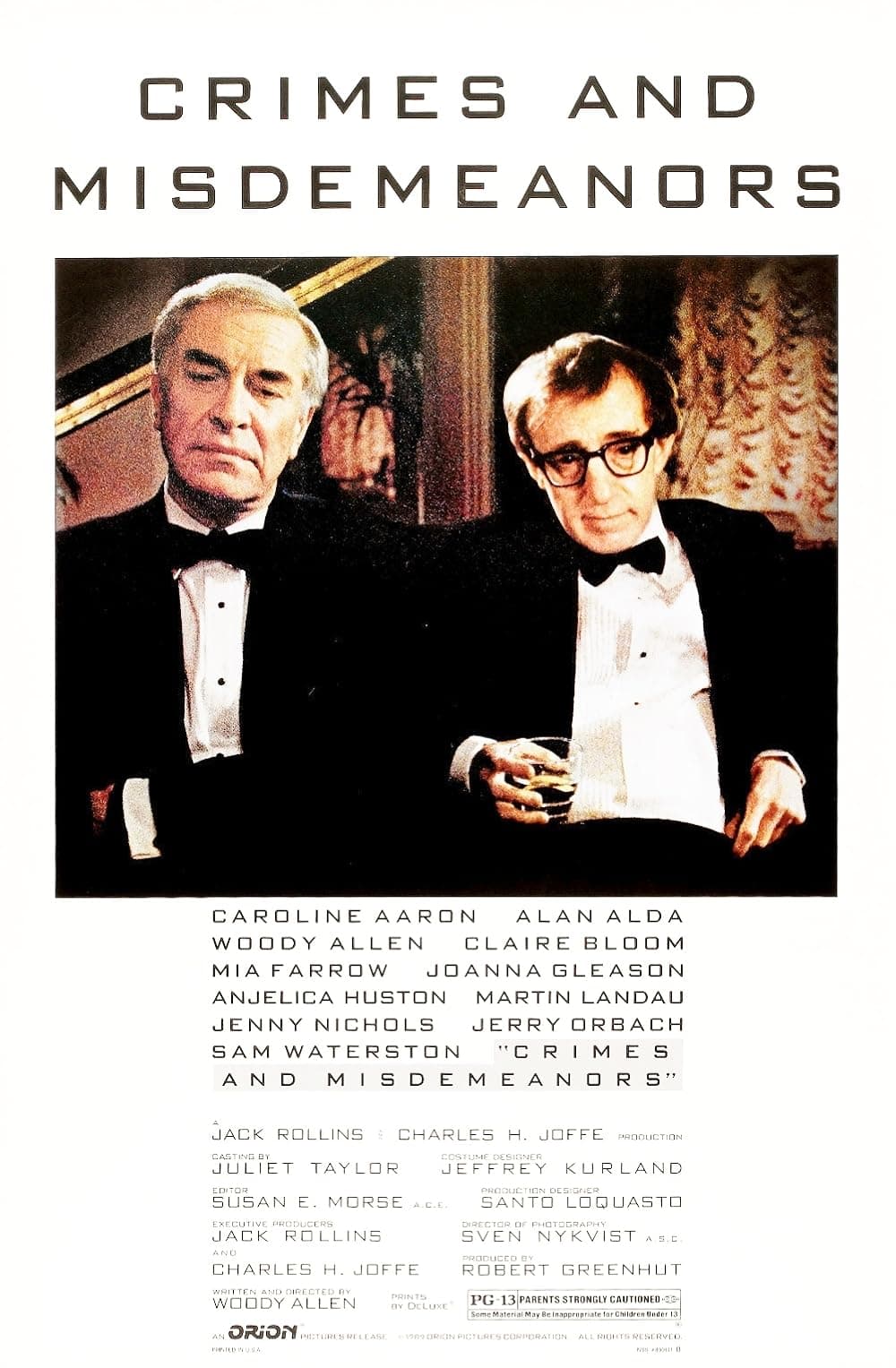
Crimes and Misdemeanors
A genteel New York morality play where privilege meets decision — and conscience is the loudest character.
Read our take →