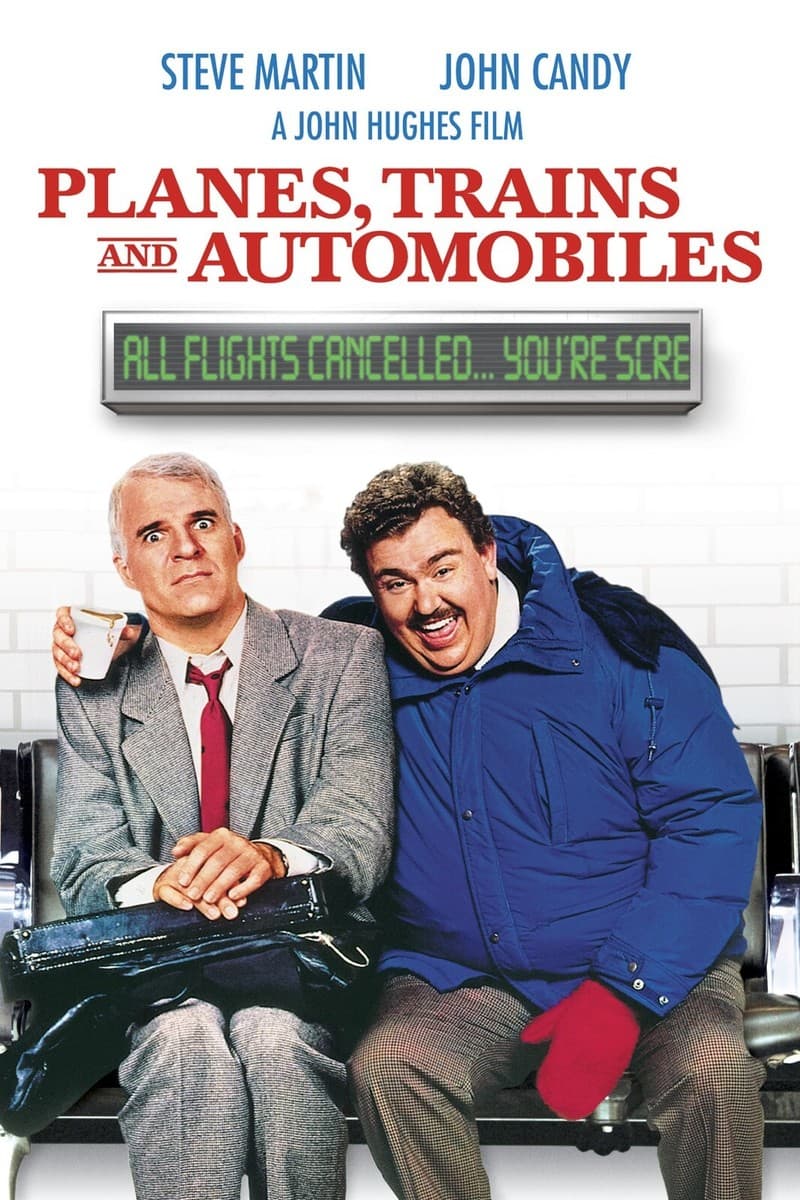
Planes, Trains and Automobiles
A road trip comedy that keeps its feet — and its heart — firmly on the tarmac.
The setup
Planes, Trains and Automobiles is the sort of film you recognise from the first irritated look: a man desperately trying to catch a flight and everything, and everyone, conspiring to stop him. John Hughes took that simple premise, gave us Neal Page — an uptight ad man with one mission: get home for Thanksgiving — and then refused to let him have it.
THE MOVIE
Neal Page is still the reason this movie works
Two days before Thanksgiving, Neal Page is on a one-track mission: get from midtown Manhattan to JFK and get home to Chicago. That straightforward desperation is the film’s engine — and the reason we stay with it when the set pieces start piling up.
John Hughes writes and directs a comedy built from delay after delay: a diverted flight, an unfortunate taxi encounter, and then the sticky orbit of Del Griffith, a shower‑curtain‑ring salesman who won’t leave Neal alone. The tight 93‑minute runtime keeps the mood lean; Neal’s need for control does most of the heavy lifting.
What makes the whole thing land is the film’s insistence that misery can turn into company. Beneath the travel chaos the film quietly asks whether shared hardship is the shortest route to real human connection.
THE SETUP
The idea that sets Planes, Trains and Automobiles in motion
The film’s premise is crisply mechanical: a snowstorm diverts Neal’s flight and strands him with Del Griffith — the talkative stranger he suspects of nicking his taxi. From there the plot is a chain reaction of travel nightmares that keep forcing the pair into one another’s orbit.
That structure is as much a comedy device as it is a plot. Missed connections, diverted flights and impounded vehicles aren’t background detail; they are the bricks that build every scene. Each mishap escalates the stakes and keeps Neal and Del talking, bickering and, eventually, depending on one another.
Because those practical obstacles are relentless, the film doesn’t need to invent drama. The contrast between Neal’s urgency to reach his family and the world’s cheerful refusal to cooperate is enough to keep us invested.
It’s an odd-couple buddy movie in the most literal sense: two mismatched men, a shrinking set of travel options, and a series of increasingly desperate set pieces that move them from planes to trains to cars and motels.
THE CHARACTER
Why Neal Page matters
Neal Page is not merely the film’s lead; he’s its compass. He’s an uptight, time-conscious advertising pitchman whose main job is to keep everything on schedule — and that temperament makes every delay feel like a personal affront.
That furious need for order gives the comedy its shape. When a rental agent, motel clerk or state trooper puts another spoke in the wheel, Neal’s world tightens. Those secondary characters matter because they’re the friction that rubs him raw and pushes the story forward.
Crucially, Neal’s urgency is also the story’s human pressure: holiday obligations and family pull him in one direction, while the escalating calamities force him to slow down and, reluctantly, notice other people.
In short, Neal is memorable because the film trusts his character to be both the comic centre and the engine of emotional change: his profession, temperament and the situation he’s trapped in all point to the same thing — a man who must learn to share misfortune before he can accept company.
THE PERFORMANCE
Why Steve Martin's performance matters
There’s a lot on screen that demands chemistry: comic timing, frustration and a believable shift toward warmth. Contemporary criticism singled out the pairing — noting how the two leads’ interactions supply both laughs and heart.
That observation matters here because Neal isn’t a sketch; he’s part of a relationship. The casting choice anchors the film’s ability to move from annoyance to empathy without slipping into sentimentality.
Put another way: the film’s emotional payoffs depend on the casting being credible, and contemporary reviewers highlighted that the leads delivered the necessary interplay.
So when Neal finally softens, the reaction feels earned rather than tacked on — precisely because the film spent its runtime building the antagonism that becomes connection.
UNDER THE SURFACE
Planes, Trains and Automobiles has more on its mind than the plot suggests
On the surface it’s a catalogue of travel disasters. Underneath, the film keeps returning to one idea: empathy forged by shared hardship. Put two people together in a small, miserable world and you’ll learn things about them — and about yourself.
Holiday responsibilities are the pressure valve. Neal’s need to be home for Thanksgiving isn’t just a ticking clock; it’s the emotional reason he’s so raw. Family obligations make him uncompromising, which gives Del something to test and, ultimately, to change.
Class difference quietly colours the comedy too. The mismatch between Neal’s world and Del’s assumptions creates comic friction, but it also opens the film to small kindnesses that don’t require agreement — only a willingness to help.
Above all, the movie’s misadventures work because they turn travel — something often banal and stressful — into a device that forces human connection. That’s the point the film keeps returning to, without ever letting the gag-wheels stop turning.
THE FILMMAKING
How Planes, Trains and Automobiles was put together
John Hughes wore multiple hats here — he wrote, produced and directed — which helps explain the film’s tonal confidence. That single creative voice keeps the jokes sharp and the emotional beats on the same page as the comedic ones.
On the crew side, Don Peterman handled cinematography while Paul Hirsch edited the film; John W. Corso led production design. Those are the practical names behind how the film looks, moves and feels.
Credit matters because this sort of tight comedy depends on coordination: framing the cramped spaces, cutting for maximum discomfort and letting the production design sell the exhausted road life.
Paramount Pictures released the film in association with Hughes Entertainment, which is the sort of studio arrangement that gave Hughes the control to make an adult comedy that still moves briskly.
PRACTICAL EFFECTS
The effects work that gives Planes, Trains and Automobiles its physical personality
The movie’s vehicular chaos wasn’t left to chance. A dedicated stunt coordinator and multiple stunt drivers were employed to execute the on-road sequences and vehicle work.
Those specialists are credited in production records, which is the straightforward reason why the film’s driving and roadside set pieces feel convincing rather than sloppy.
Having real stunt professionals lets the comedy breathe: you can laugh at the misfortune without flinching at an obvious fake.
It’s a small production detail that pays off by keeping the film honest about the physical risks its characters endure.
PURE 80S
Planes, Trains and Automobiles could not belong to any other decade
Released in 1987, the film marks John Hughes’ deliberate move from teen‑focused stories to adult‑oriented comedy. That shift matters because Hughes brings the same ear for real conversation to older characters, and the result is a comedy that feels lived-in rather than constructed.
The production itself — shot between March and July 1987 across Buffalo, Chicago and New York — was attentive to the winter setting the story requires, even moving some shooting to Buffalo when snowfall in Chicago wasn’t cooperating.
Putting the film out the day before Thanksgiving was also a neat bit of timing: the story is about holiday travel, so releasing it into the exact cultural moment it riffs on amplified the movie’s immediate relevance.
In short, the film sits in the late‑80s not just by date but by creative intent: it’s a grown‑up Hughes picture that uses the decade’s mainstream studio machinery to serve a personal, road‑bound comedy.
WATCHING IT NOW
What has aged — and what hasn't
What still works is the backbone: two mismatched people forced into a journey together. That odd‑couple structure is timeless, and the film’s central friendship remains persuasive because it grows out of necessity and repeated cooperation.
The holiday pressure — Neal desperate to get home for Thanksgiving — still reads clearly. You don’t need cultural context to understand why someone would be irritable under that clock.
Where the film asks for modern patience is its tone: it trades in extended discomfort and abrasive exchanges that today’s comedies sometimes smooth over. But that roughness is also what makes the eventual warmth feel like earned relief rather than a tidy wrap.
Overall, the core themes — friendship, family obligation and travel misadventure — keep the film watchable because they are human and, crucially, recognisable across generations.
THE LEGACY
Why Planes, Trains and Automobiles still matters
The film has settled into a particular cultural slot: it turns up again and again in lists and retrospectives as a Thanksgiving or holiday favourite.
Part of that staying power comes from the pairing at its heart. Contemporary and later critics have repeatedly pointed to the Steve Martin/John Candy combination as central to how the film is remembered.
There’s also a musical footprint: Paramount released a soundtrack blending Ira Newborn’s cues with licensed songs, which helped fix the film’s mood in people’s memories.
Between the seasonal subject matter and the memorable pairing, the film keeps finding a place in conversations about holiday cinema.
THE VERDICT
Does Planes, Trains and Automobiles still hold up?
Yes — and not for nostalgia alone. The film’s premise is simple: Neal needs to get home for Thanksgiving, but a snowstorm and a series of travel mishaps strand him with Del. That setup gives the movie room to be both funny and, eventually, unexpectedly warm.
What keeps it working is the balance between practical obstacles and human reaction. Missed connections, impounded vehicles and diverted flights are the mechanisms that force Neal and Del into repeated interaction; the emotional arc comes from those interactions softening antagonism into empathy.
John Hughes wrote, produced and directed the picture, and the film’s concise 93‑minute runtime means there’s no fat — every scene earns its place by escalating the travel nightmare or nudging the relationship forward. The contrast between Neal’s insistence on plans and Del’s habit of assuming responsibility drives plenty of the comedy and most of the logistics.
If you enjoy comedies that trade on friction turning into friendship, and you don’t mind a few abrasive laughs on the road to a real heart, then it’s absolutely worth watching today.
Share this movie
Keep watching
More movies from the 80s
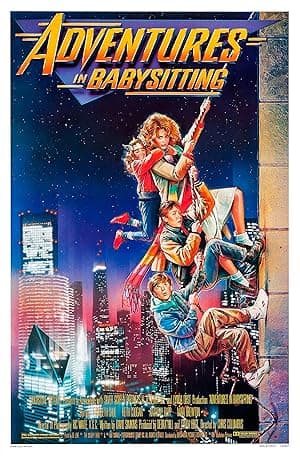
1987
Adventures in Babysitting
A one-night odyssey that turns babysitting into a crash course in grown-up choices.
Read our take →
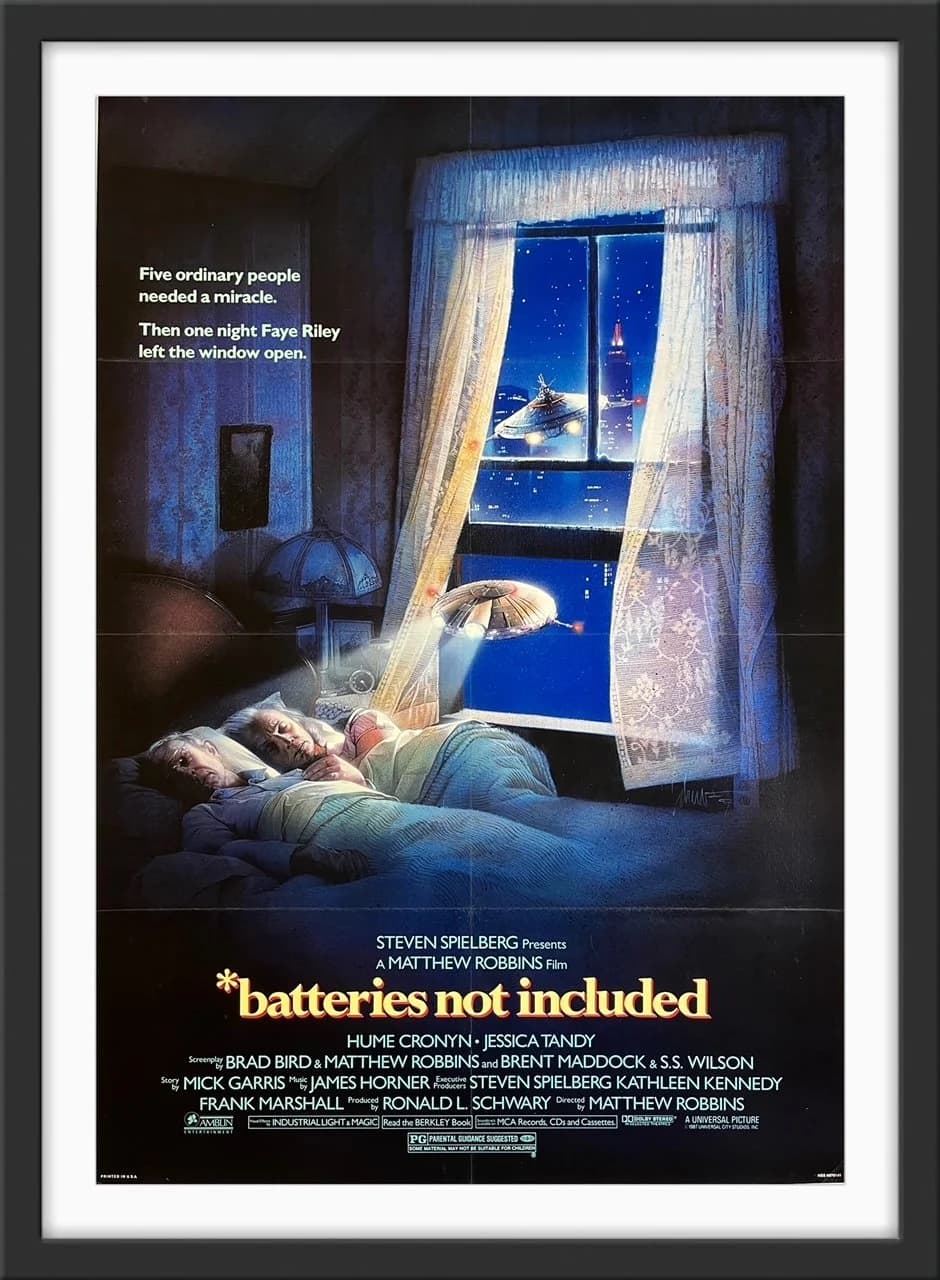
1987
Batteries Not Included
Batteries Not Included: family and parents protecting their children, and why this 1987 movie still matters.
Read our take →
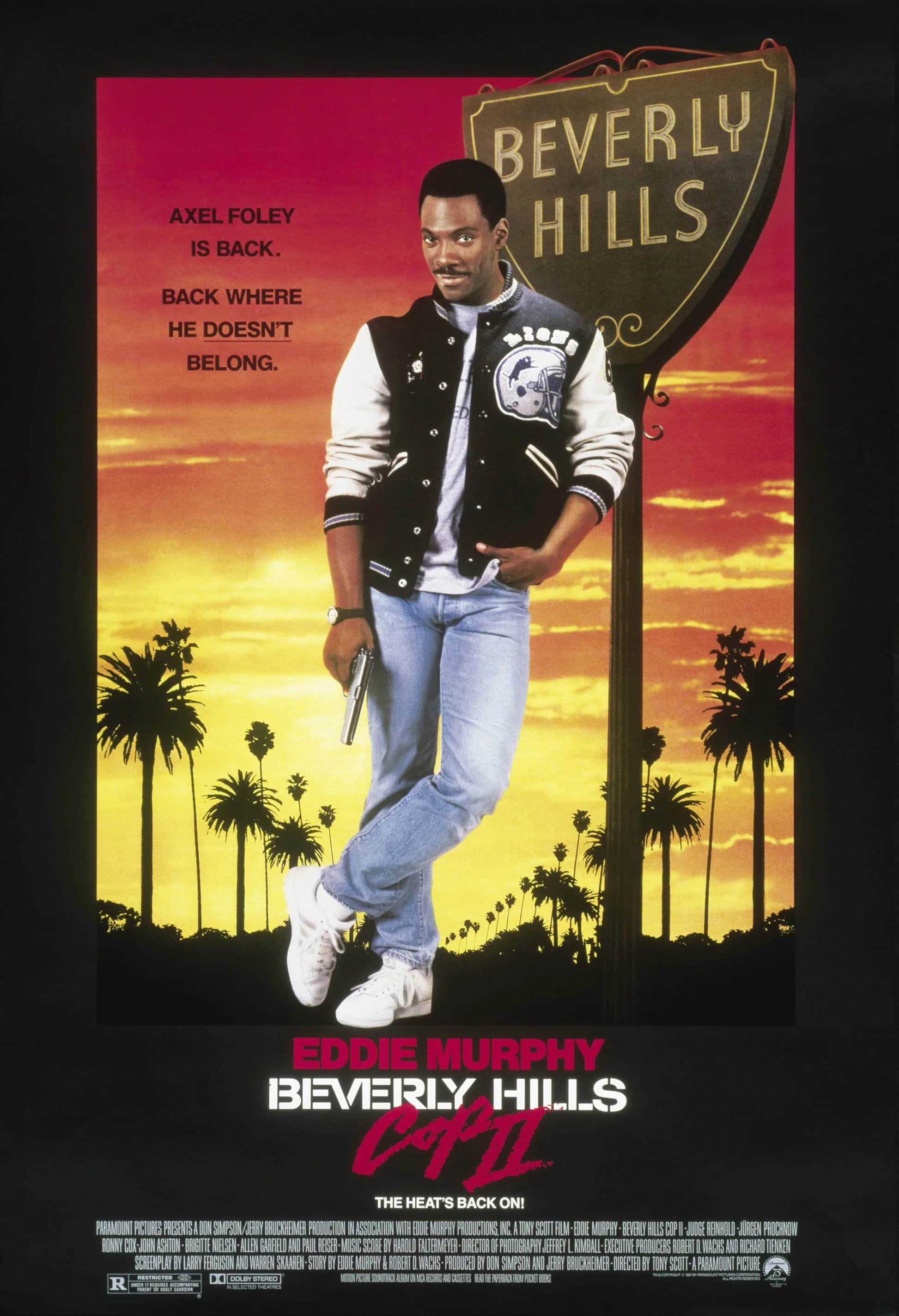
1987
Beverly Hills Cop II
Beverly Hills Cop II: authority and family, and why this 1987 movie still matters.
Read our take →