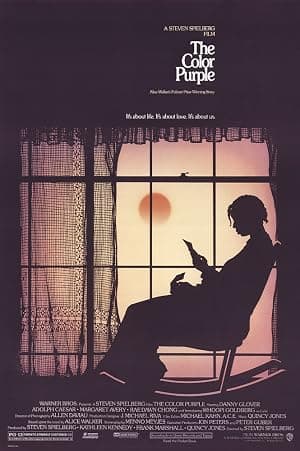
The setup
The Color Purple still lands because it keeps its attention where it matters: on one woman's slow work to stay alive and, eventually, to live. Steven Spielberg turns Alice Walker’s sprawling novel into a film that watches Celie learn to look back at herself and find a name worth saying aloud.
THE MOVIE
Celie Harris Johnson is still the reason this movie works
People still talk about The Color Purple because the movie gives us Celie—small, steady, and stubbornly present—then refuses to let her be a footnote. Across decades in the early 20th-century rural South, the film watches her survive betrayal, abuse and the slow erasure of who she might have been, and it frames all of that from inside her life by using her letters as a through-line.
That epistolary device—letters to God and later to her sister—does more than move the plot along. It keeps the whole story rooted in Celie’s private point of view, so the film’s long runtime feels like time spent learning how one person names herself back into being.
And yes: this is Spielberg’s 1985 film. He brings a studio scale to Alice Walker’s novel and a willingness to let Celie be the axis around which big, painful things turn. The director matters here, but it’s Celie—played by Whoopi Goldberg—who ultimately makes the film breathe.
THE SETUP
The idea that sets The Color Purple in motion
At its heart the film is deceptively simple: watch Celie over a long stretch of life as she negotiates a world stacked against her. The opening violence—her impregnation as a girl by a male relative and the forced marriage that follows—instantly sets the survival stakes.
That forced marriage to Albert, known for much of the story as 'Mister', is the pressure the film pivots around. His brutality creates the daily work of endurance Celie must do, and it shapes the social and familial landscape she has to navigate.
What carries Celie through are the people she meets. Shug Avery, a singer whose presence upends expectations, and Sofia, a fiercely independent friend, both force Celie to reconfigure what she thinks is possible for herself. Their relationships nudge her from survival toward self-possession.
The film necessarily compresses and reshapes Walker’s novel—some elements are simplified, and explicit lesbian content between Celie and Shug is reduced—but the cinematic version keeps the novel’s sweep: a coming-of-age that plays out across years and across the long distance between sisters.
THE CHARACTER
Why Celie Harris Johnson matters
Celie is not dramatic in the shouty sense. She’s inward, battered and quietly resilient. That combination is the film’s engine: everything we watch happens to and around her, but the story keeps returning to how she keeps herself together.
Whoopi Goldberg is the actress cast in the role, and the screenplay lets Celie be more than a victim on a page. Her principal motivation is survival at first—then, slowly, self-determination and the desire to be reunited with her sister Nettie.
Mister exists partly as the obvious antagonist: his abuse shapes Celie’s early life and forces the patterns she must unlearn. But the film is interested in the whole family dynamic, and Mister’s presence is the painful yardstick by which Celie measures her own small victories.
Sisterhood—literal and chosen—is woven through Celie’s arc. The film spends its time showing how female friendships, tenderness and shared history are not optional extras but the practical tools that allow someone like Celie to rebuild a life.
THE PERFORMANCE
Why Whoopi Goldberg's performance matters
The record shows that Whoopi Goldberg won the Golden Globe for Best Actress in a Motion Picture – Drama for portraying Celie. That’s a useful starting point: the performance was noticed by institutions and viewers at the time.
Given how the film keeps returning to Celie’s interior life, casting mattered. Goldberg’s Celie is the human fulcrum the whole film spins around, so any recognition of the role speaks directly to the way the film asks us to stay with one woman’s experience.
There’s a practical effect to this kind of casting. When the central character is believable and steady, the film’s longer, epic ambitions don’t feel like indulgence; they feel earned.
Put simply: the awards attention is evidence that Celie’s portrayal was more than a supporting detail. It was the reason the rest of the film could exist the way it does.
UNDER THE SURFACE
The Color Purple has more on its mind than the plot suggests
On the surface it’s a long, often painful story about a woman trying to stay alive in a hostile world. Underneath, the film is doing three things in parallel: charting personal growth, mapping the pressure of racist and patriarchal structures, and showing how people hold each other together.
Sisterhood and female solidarity are not just emotional embellishments; they are practical survival strategies in the film. Celie’s steadier relationships are the mechanisms by which she regains voice and agency.
Religion and spirituality weave through the story too—sometimes as comfort, sometimes as something to argue with. The film gives space to both uses, which makes the spiritual life of the characters feel lived-in rather than schematic.
There’s also the quieter, harder theme of desire that is largely restrained on screen. The original novel’s more explicit lesbian content is compressed in the film, but the suggestion of suppressed queer desire remains part of the emotional texture, shaping how characters like Celie and Shug relate.
THE FILMMAKING
How The Color Purple was put together
The movie was assembled with a fairly traditional studio crew: Allen Daviau as director of photography, Michael Kahn editing and J. Michael Riva on production design. Those names signal a professional craft approach rather than an experimental art-house lean.
Principal photography took place mainly in North Carolina, a practical choice that provides the period American South setting the story requires. The locations and production work are set up to support the performances and the long time-span the screenplay covers.
The screenplay itself was written by Menno Meyjes, with Alice Walker involved as a consultant and helping with dialect coaching. That collaboration explains why the film retains the novel’s central emotional beats even while compressing some material.
What matters here is how choices were coordinated: experienced hands in key technical roles and the author’s involvement helped the film stay faithful to the novel’s spirit while translating it into a studio-scale picture.
PURE 80S
The Color Purple could not belong to any other decade
Released in 1985, The Color Purple is very much a mid-80s cinematic event: a major studio taking a recent, prize-winning novel and trying to turn it into a mainstream, large-scale drama about Black women’s lives.
That in itself was notable for the time. The movie represents a commercial film industry attempting, at scale, to centre stories about Black women—ambition that feels specific to the moment and the market of the mid-1980s.
The choice of director mattered too. Steven Spielberg’s involvement brought a certain Hollywood profile that expanded the film’s reach and made it impossible to miss within the awards conversation and studio release schedules of the era.
So while the story is set decades earlier, the way the film was packaged and presented—studio producers, a major director, big running time—marks it as an 80s attempt to do something larger than a small, independent adaptation.
THE LEGACY
Why The Color Purple still matters
The film’s awards history is part of its afterlife: it received eleven Academy Award nominations—including Best Picture, Best Actress and two Supporting Actress nods—even though it didn’t win. That level of institutional recognition keeps it in conversations about 1980s cinema.
Beyond awards, the movie launched screen careers. Whoopi Goldberg and Oprah Winfrey made major-screen debuts in significant roles, and the film’s existence helped spawn later stage and screen adaptations, most notably a long-running Broadway musical and the 2023 film version.
Critics and scholars have kept talking about it too. The movie has been examined repeatedly for how it adapts Walker’s novel and how it represents race, gender and family—discussion that has ensured it stays in the frame of serious reassessment.
Put together, the nominations, the careers it helped start and the persistent critical conversation explain why The Color Purple remains part of film talk: it’s a movie that invited people to argue about what representation should look like.
THE VERDICT
Does The Color Purple still hold up?
Yes—with caveats. The Color Purple remains a powerful, often wrenching portrait of a woman who starts by surviving and ends by insisting on a life of her own. The film’s devotion to Celie’s perspective—through her letters and the way the plot is arranged around her—keeps the story focused and intimate even as it moves across years.
Some choices are products of their moment: the film compresses and reshapes parts of the novel, notably softening explicit queer content between Celie and Shug. That changes the texture of certain relationships, but it doesn’t erase their emotional function: Shug still operates as a catalyst for Celie’s self-worth, and Sofia still reads as a defiant foil whose clash with local authority exposes the racial and gender pressures in the community.
What seals the film’s recommendation is how it frames the central conflict. Mister’s abuse is the engine of Celie’s early life, and the family dynamics that follow give the narrative room to show small but consequential transformations. The movie is long—154 minutes—but much of that length is spent letting Celie’s slow decisions matter.
So should you watch it today? If you want a film that will make you sit with uncomfortable truths while also showing the steady work of becoming yourself, The Color Purple is worth the time. It’s a studio epic that keeps returning to one woman—and that insistence, more than anything else, is why the movie still matters.
Share this movie
Keep watching
More movies from the 80s
1985
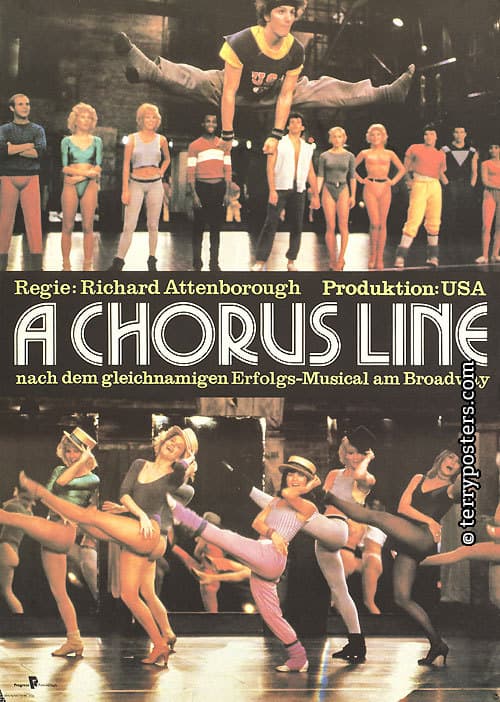
A Chorus Line
A Chorus Line: love and memory, and why this 1985 movie still matters.
Read our take →
1985
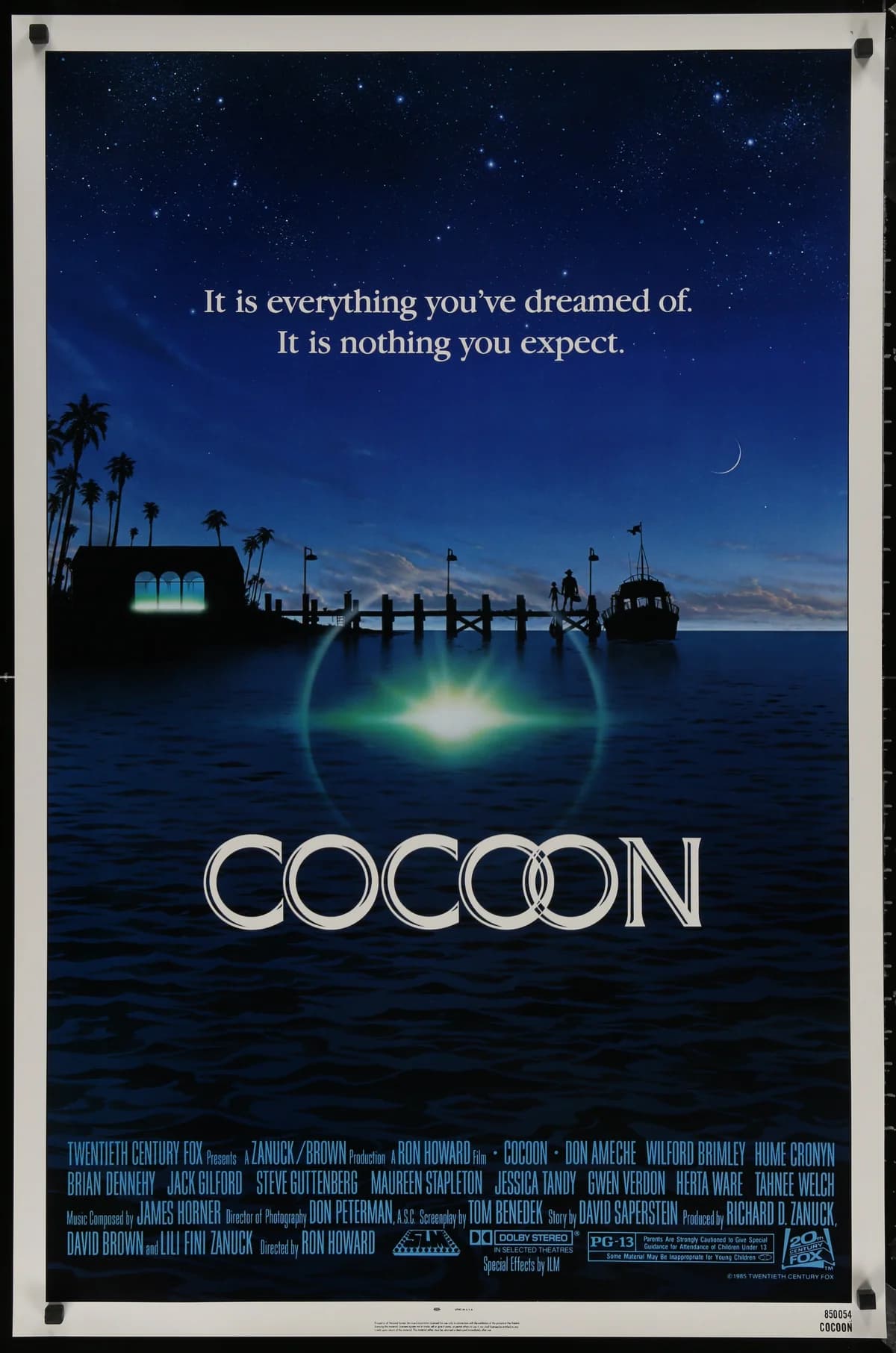
Cocoon
Old men, alien cocoons and a very convincing dip in the pool — friendship and second chances, with Ron Howard steering the canoe.
Read our take →
1985
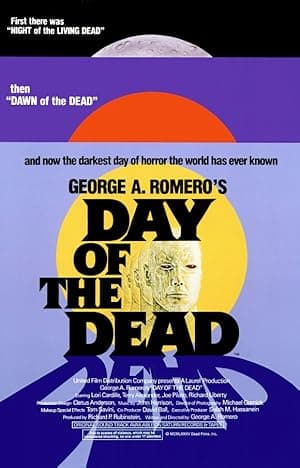
Day of the Dead
A bunker drama with zombies, a scientist who won a festival, and a soldier who won't listen.
Read our take →