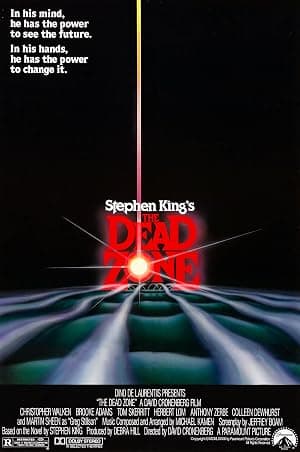
The setup
You remember the moment: a man wakes from a coma and discovers his head now plays home to other people's futures. David Cronenberg took Stephen King’s premise and kept the moral question front and centre — not just what Johnny Smith can see, but what seeing obliges him to do.
THE MOVIE
Johnny Smith is still the reason this movie works
Put simply: The Dead Zone works because Johnny Smith matters. He’s not a poster-child for psychic spectacle; he’s a reserved schoolteacher whose life is unpicked by a car crash and reassembled around an ability that isolates him.
That ability — visions of past and possible futures, with a strange, indeterminate 'dead zone' where the future can change — is the engine. It fuels rescue scenes, small-town sleuthing and, crucially, a political problem that forces Johnny into terrible moral choices.
And because David Cronenberg directed it and Christopher Walken plays Johnny, the film never lets its premise become pure gimmick. There’s a steady focus on the cost of knowing, which is why people still circle back to this 1983 picture.
THE SETUP
The idea that sets The Dead Zone in motion
You don’t need a blow-by-blow. The basic move is tidy and brave: a teacher called Johnny Smith survives a crash, wakes from a long coma and finds he can glimpse people’s histories and possible futures.
Those visions aren’t neat plot devices. They’re episodic — Johnny helps avert immediate dangers, helps the police, saves a child — but each episode pushes him toward a larger moral test.
That larger test is a vision of a charismatic politician, Greg Stillson. The sight of what Stillson might become changes the film’s rhythm from odd-case drama to urgent political dilemma.
And the film keeps an important detail visible: Johnny’s visions contain a mutable zone, the 'dead zone', which means futures aren’t simply fixed. That possibility — that some futures can be altered — is what gives the story teeth.
THE CHARACTER
Why Johnny Smith matters
Johnny isn’t a haunted prophet in the melodramatic sense. He’s presented as a reserved teacher whose ordinary life is interrupted; that ordinariness is important because it gives weight to every choice he makes.
The isolation that follows his awakening turns simple acts — answering a knock, telling a story, visiting a local — into fraught moral terrain. He’s pushed into decisions about responsibility and sacrifice, and the film asks us to live with those decisions.
That emotional friction is what makes the character memorable. He’s not the power; he’s the person under the power, and the movie keeps its attention there.
Christopher Walken plays Johnny, and the role is rooted in that quiet, difficult centre: a man learning that seeing brings obligations he never wanted.
THE PERFORMANCE
Why Christopher Walken's performance matters
Contemporary critics singled out Walken’s central turn as a major strength of the film. That matters because the whole picture leans on Johnny making believable, costly choices.
The praise wasn’t just filler: reviewers compared the role favourably to his earlier work and flagged the cast as generally believable and well-cast. That kind of response gives the moral dilemma the gravitas it needs.
Put another way: if the audience doesn’t accept Johnny as an ordinary man shoved into impossible knowledge, the central questions feel abstract. Walken’s casting helps prevent that slide.
So when talk of The Dead Zone focuses on performance, it’s less about star moments and more about the film trusting a single, steady presence to carry difficult ethical material.
UNDER THE SURFACE
The Dead Zone has more on its mind than the plot suggests
At the surface it’s a thriller with supernatural hooks. Underneath, it’s asking a handful of plain but stubborn questions: what are you actually obliged to do when you can see harm coming?
That is the responsibility-of-knowledge problem writ large. Johnny’s gift forces domestic-scale decisions — who to warn, who to save — and national-scale ones when a potential political menace appears.
There’s a neat argument about free will versus determinism in play. The film refuses a simple determinist line by keeping a 'dead zone' where futures may be altered; that ambiguity makes Johnny’s choices morally heavy.
And the emotional cost is constant. Johnny’s clairvoyance isolates him from ordinary life and from the woman he once loved, turning his psychic burden into a human loneliness the film won’t let you ignore.
THE FILMMAKING
How The Dead Zone was put together
Cronenberg’s film is quietly engineered. Mark Irwin was the director of photography and Carol Spier the production designer; those credits matter because the movie frequently needs to shift from intimate domestic moments to the unnerving clarity of a vision.
One illustrative choice: a planned Air Force One set was rethought as a Camp David–like interior for Johnny’s future-conjuring sequences. The swap kept the scenes feeling plausible within the film’s world while serving the story’s political squeeze.
Ronald Sanders handled the editing, and the technical crew’s work smuggles in tension without loud flourishes: the filmmaking keeps a steady eye on Johnny’s interior stakes rather than leaning on spectacle.
Contemporary reviewers noticed the direction. Praise for Cronenberg wasn’t incidental — the way the film balances its thriller beats with quieter moral scenes is down to clear filmmaking choices.
PRACTICAL EFFECTS
The effects work that gives The Dead Zone its physical personality
The film didn’t invent a new effects vocabulary, but it used practical techniques where they mattered. A credited special effects crew handled the picture’s visual sequences in conventional, reliable ways.
Those techniques extend beyond the obvious: the production built sets and used local locations to create atmospheres that serve story beats — from a constructed gazebo to a local 'screaming tunnel' used as an on-location crime scene.
The upshot is that the film’s physical choices are functional rather than showy. When the camera visits a set piece, it’s to push the plot or the moral problem forward, not to parade trickery.
Which is to say: the practical work gives the movie a tangible feeling without ever asking the audience to marvel at the method rather than the dilemma.
PURE 80S
The Dead Zone could not belong to any other decade
Released in 1983, The Dead Zone arrived during a wave of Stephen King adaptations. That context matters: audiences came primed for stories that mixed the domestic with the uncanny.
1983 is also the year Cronenberg released Videodrome, so the director was operating in adjacent phases — one foot in mainstream storytelling and one in his more unsettled terrain.
The film’s distribution by Paramount and an autumn opening placed it squarely in the commercial conversation of the time, rather than as a niche oddity.
All of which is to say the movie is a creature of its era because it both benefitted from and helped define how mainstream cinema could treat supernatural material as moral drama.
THE LEGACY
Why The Dead Zone still matters
The film opened in North America on October 21, 1983 and drew generally favourable reviews. For a movie of its scale at the time it performed solidly, which helped it linger in public memory.
Part of that lingering is practical: the material proved adaptable. The Dead Zone later became the basis for a long-running TV series that expanded the novel and film’s characters and scenarios.
Critical opinion has tended to treat the film as one of the more successful Stephen King adaptations and as one of Cronenberg’s more accessible works, a middle ground that keeps it in conversations about both creators.
Put simply: it remains a go-to example when people want a thriller that balances supernatural premise with moral weight rather than spectacle alone.
THE VERDICT
Does The Dead Zone still hold up?
Yes — but not because it’s an effects showcase. The Dead Zone endures because the central puzzle is moral, and that puzzle remains intelligible. A teacher wakes from a coma, learns he can see possible futures (with a mutable 'dead zone'), and the film makes the consequences feel immediate.
The structure helps: small incidents — helping police, preventing local dangers, saving children — are tied to a broader political danger in the form of Greg Stillson, a charismatic politician whose potential future alarms Johnny.
Those connected beats force the film to keep asking the same question in different registers: what are you allowed to do, and what are you compelled to do, when foreknowledge lands on your doorstep? Johnny’s isolation and the emotional complications with his former fiancée, Sarah Bracknell, make the stakes personal as well as political.
If you like tense, idea-driven thrillers that privilege difficult choices over cheap shocks, The Dead Zone (103 minutes, directed by David Cronenberg, starring Christopher Walken) still repays a watch. It’s a moral thriller wrapped in an 80s package — and the questions it raises have not dated one bit.
Share this movie
Keep watching
More movies from the 80s
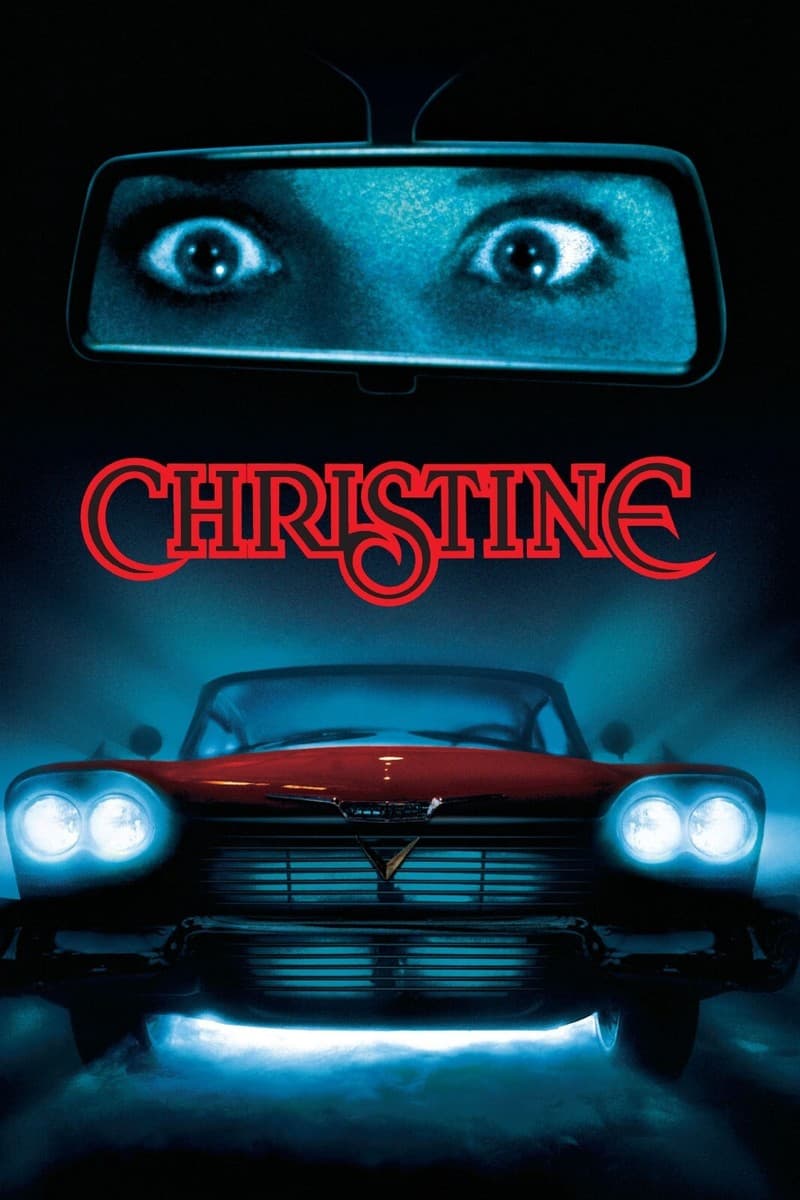
1983
Christine
Obsession, adolescence and a car that won't let go.
Read our take →
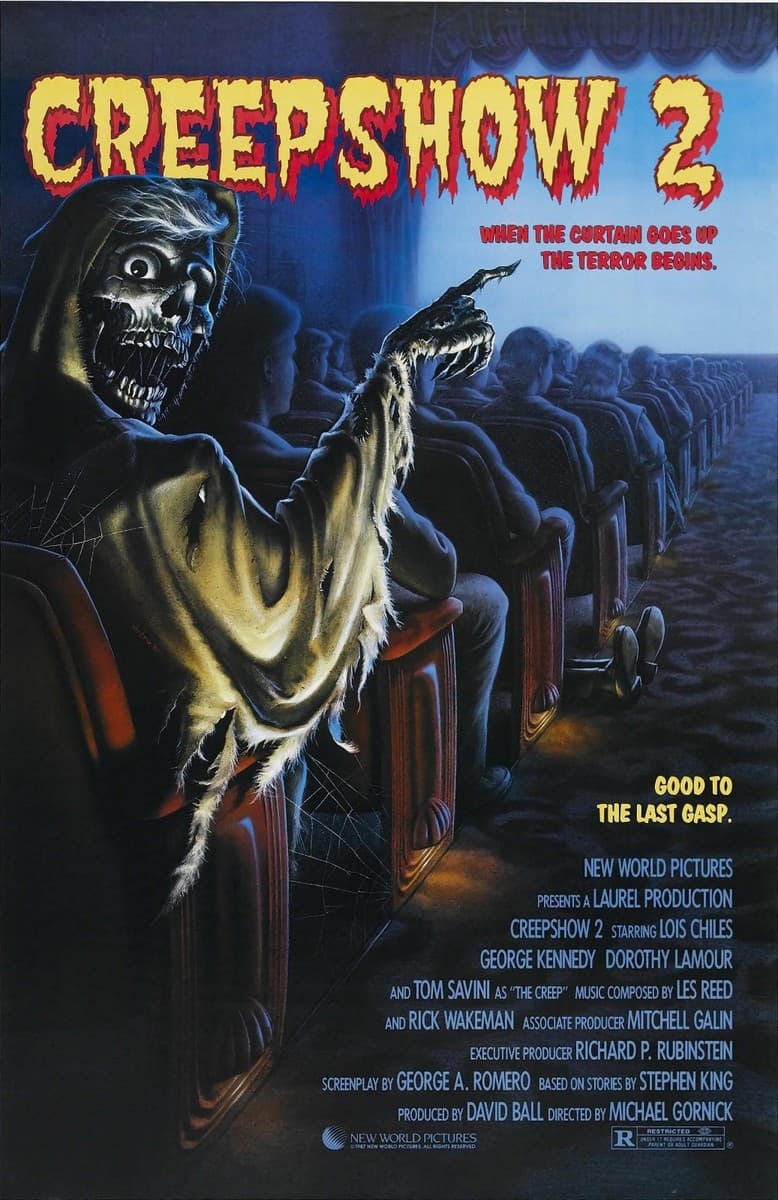
1987
Creepshow 2
Creepshow 2: freedom and family, and why this 1987 movie still matters.
Read our take →
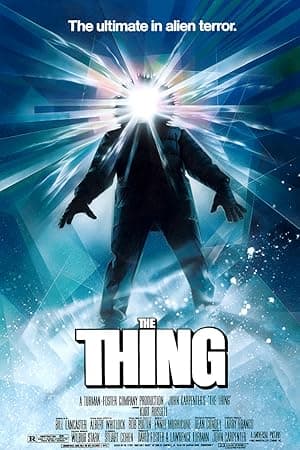
1982
The Thing
A frozen outpost, a dog, and a man who must choose who to trust — The Thing still knows how to make suspicion feel like a physical thing.
Read our take →