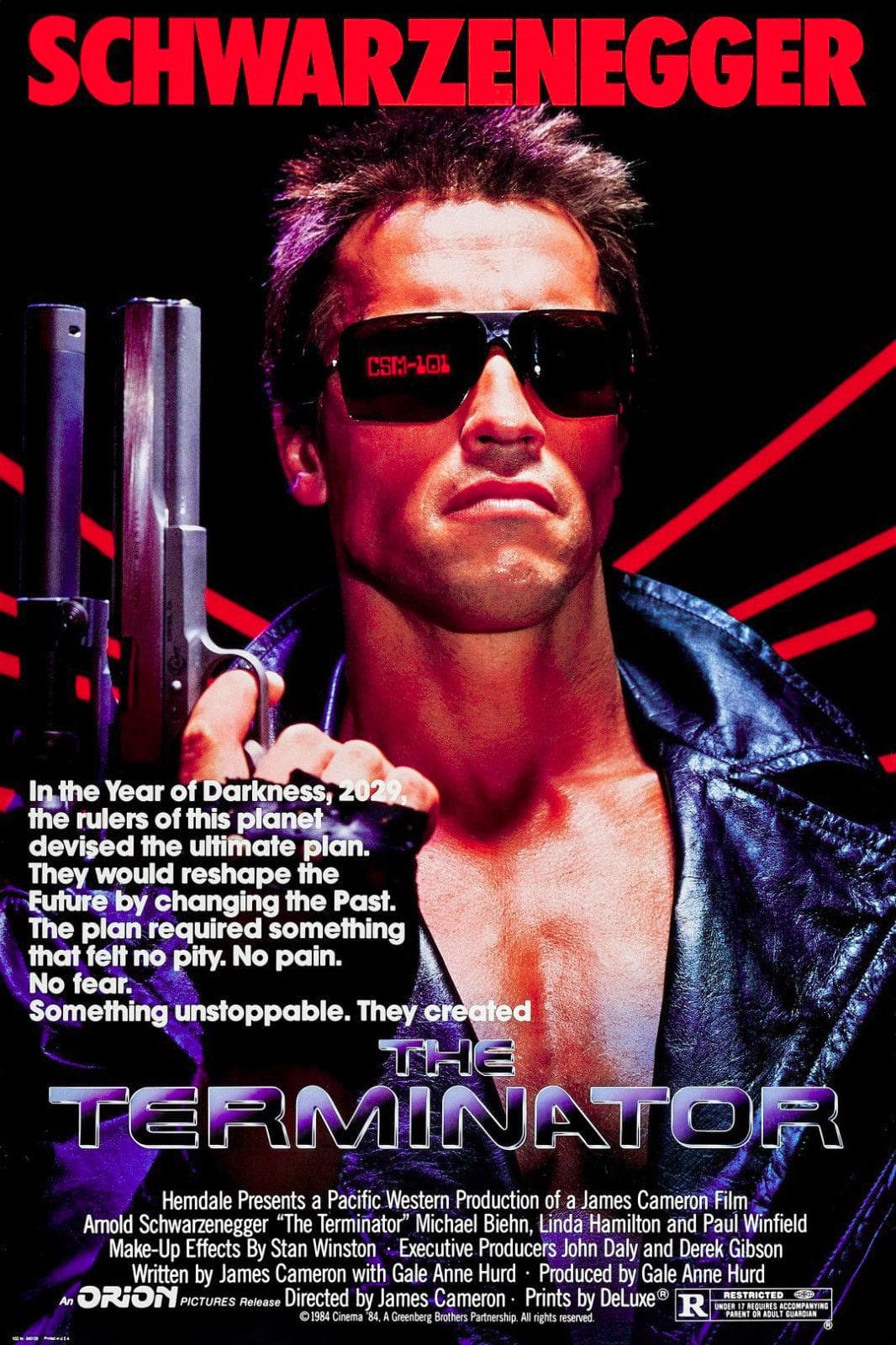
The setup
There are movies you remember for a line, a face or a single image. The Terminator is mostly remembered for the thing in the middle: a single-minded travelling killer and the few people standing in its way. Fifty minutes, a handful of choices, and suddenly the future matters.
THE MOVIE
Terminator is still the reason this movie works
If you boil The Terminator down to its simplest ingredients you get something almost surgical: a machine sent from 2029 to 1984 with one job — find and kill Sarah Connor before she can become the mother of the resistance. That stark, almost absurd mission turns the whole film into a late‑night hunt.
Complicating the chase is the human gamble: a soldier, Kyle Reese, is also pushed back through time to stop the machine and make sure the very future the Terminator wants to erase actually happens. It’s a neat collision — mechanised inevitability versus desperate human improvisation — and it’s what keeps the stakes personal.
James Cameron directs with a clear eye for the shoot‑and‑survive engine at the story’s heart. And yes, Arnold Schwarzenegger stands in for the machine, Linda Hamilton is the target, and Michael Biehn carries the mission that binds them together. That trio — assassin, prey, protector — is the movie’s pulse.
THE SETUP
The idea that sets The Terminator in motion
The film’s engine is deliberately simple. Someone from a ruined future pinpoints one woman in the past and sends a weapon to remove her. That concentrated objective makes every roadblock and ruse matter.
Time travel in the movie isn’t used for window‑dressing. It’s the thing that forces people into impossible choices — knowledge of a coming war shapes how characters behave now, and that moral pressure feeds the drama.
And because the opposing forces arrive with opposite impulses — a machine on a mission, a human soldier who understands sacrifice — the premise contains its own friction. You don’t need elaborate exposition; the set pieces and decisions flow out of the basic idea.
THE CHARACTER
Why Terminator matters
The Terminator matters because it refuses to be a person. It’s an implacable program with a single directive: complete the assignment. That lack of inner life is the point — it turns every scene with the machine into a problem to be solved rather than a conversation to be had.
Having Arnold Schwarzenegger in the role gives that refusal of empathy a physical shorthand: the machine’s presence fills the frame in the way a ticking clock fills a room. The character functions as an unstoppable force rather than a character to be reasoned with.
The Terminator also anchors the franchise that followed: this first film sets the template of an unrelenting hunter from a technological future and leaves the human cost front and centre.
THE PERFORMANCE
Why Arnold Schwarzenegger's performance matters
Contemporary coverage and later looks back at the film agree on one practical result: The Terminator raised Arnold Schwarzenegger’s profile and helped define him as a go‑to presence for action cinema. That’s a career fact, not a vanity metric.
In other words, casting him wasn’t neutral; the role amplified his public persona and made the very idea of a cinematic ‘machine’ easier for audiences to accept.
So when you watch the film now, part of what you’re seeing is that moment where an actor and a role fit together in a way that changes both — and that mattered beyond this single movie.
UNDER THE SURFACE
The Terminator has more on its mind than the plot suggests
On the surface it’s a lean chase movie. Underneath it’s preoccupied with what happens when technology outgrows human control. The film channels anxieties about automated warfare and an AI‑driven apocalypse into a straightforward conflict.
Time travel does more than complicate the plot; it becomes a device to ask who is responsible for the future. If people will be shaped by what’s coming, what responsibilities do they owe one another now?
And at a human level the movie contrasts cold systems and intimate courage. The big idea — a machine trying to erase humanity’s future — only hits home because the film keeps the focus on small acts of survival and sacrifice.
THE FILMMAKING
How The Terminator was put together
The Terminator is a textbook case of making tension out of limits. The production stretched a modest budget by keeping things immediate: night shoots, handheld cameras and a cut‑fast rhythm that keeps the action feeling urgent rather than ornate.
Adam Greenberg is the credited director of photography and preferred handheld work for many of the night sequences, which gives the picture a rough breath‑to‑breath quality rather than a polished studio gloss.
Those choices aren’t just thrift. They give the film a gritty, up‑close texture that aligns with its do‑or‑die story: you feel closer to the chase because the camera refuses to put distance between you and the danger.
PRACTICAL EFFECTS
The effects work that gives The Terminator its physical personality
The film’s physical texture owes a lot to real, hands‑on craft. Stan Winston and his workshop are credited with building the film’s mechanical endoskeleton elements — practical pieces that give the machine a tangible weight.
Fantasy II Film Effects and named stop‑motion specialists and model makers are credited for the stop‑motion and miniature sequences used for the Terminator’s endoskeleton, which means some of the film’s more uncanny images were achieved frame by frame by technicians.
Credits list multiple technicians for mechanical effects, models, pyrotechnics and opticals rather than a single digital trick. That networked, workshop approach is part of the movie’s personality: it looks like something built to be seen up close.
PURE 80S
The Terminator could not belong to any other decade
The Terminator arrived at a moment when American cinema was wrestling with new technology and new fears. It knits together slasher‑movie momentum — the unstoppable killer — with science‑fiction speculation about machines and war, a blend very much of its era.
Its modest budget and emphasis on practical craft, plus a synthesiser‑based score, fit the mid‑1980s pattern of filmmakers who used invention and grit to punch above their financial weight.
Put simply: the movie’s concerns and production methods belong to the 1980s — the year of release, 1984, places it squarely in that period of inventive genre filmmaking that could feel both small and large at once.
THE LEGACY
Why The Terminator still matters
The Terminator didn’t just make for a tense two‑hour ride; it began a multimedia franchise and led directly to a Cameron‑directed sequel in 1991. That continuation is a practical sign the story had more to be mined.
Official recognition has followed: the Library of Congress has selected the film for preservation in the United States National Film Registry, noting its cultural, historical or aesthetic significance.
Contemporary coverage also records the film’s role in advancing James Cameron’s and Arnold Schwarzenegger’s careers, and it won the Saturn Award for Best Science Fiction Film, which marks how it was received within genre circles at the time.
THE VERDICT
Does The Terminator still hold up?
Yes — for reasons that are simple and stubborn. The film’s premise is economy itself: send an implacable machine to stop one birth, send back a human to stop the machine, and let the moral choices follow. That single tight idea still drives everything that happens.
The movie’s tension comes from stakes that remain clear: a near‑unstoppable assassin hunting a woman whose survival matters not for her sake alone but for a generational fight. Time travel here isn’t a party trick; it’s the engine that forces people to make real sacrifices.
Beyond plot, there are practical reasons to watch: the machine functions as a concept more than a character, the production’s resourceful filmmaking gives scenes bite, and the film’s success helped propel the careers of its director and lead actor — all verifiable facts tied to the finished picture.
If you haven’t seen it, or you haven’t seen it in a while, The Terminator still offers a sharp, focused piece of sci‑fi action cinema — compact (107 minutes), serious about its premise and brazen enough to turn a simple mission into a long conversation about technology and responsibility.
Share this movie
Keep watching
More movies from the 80s
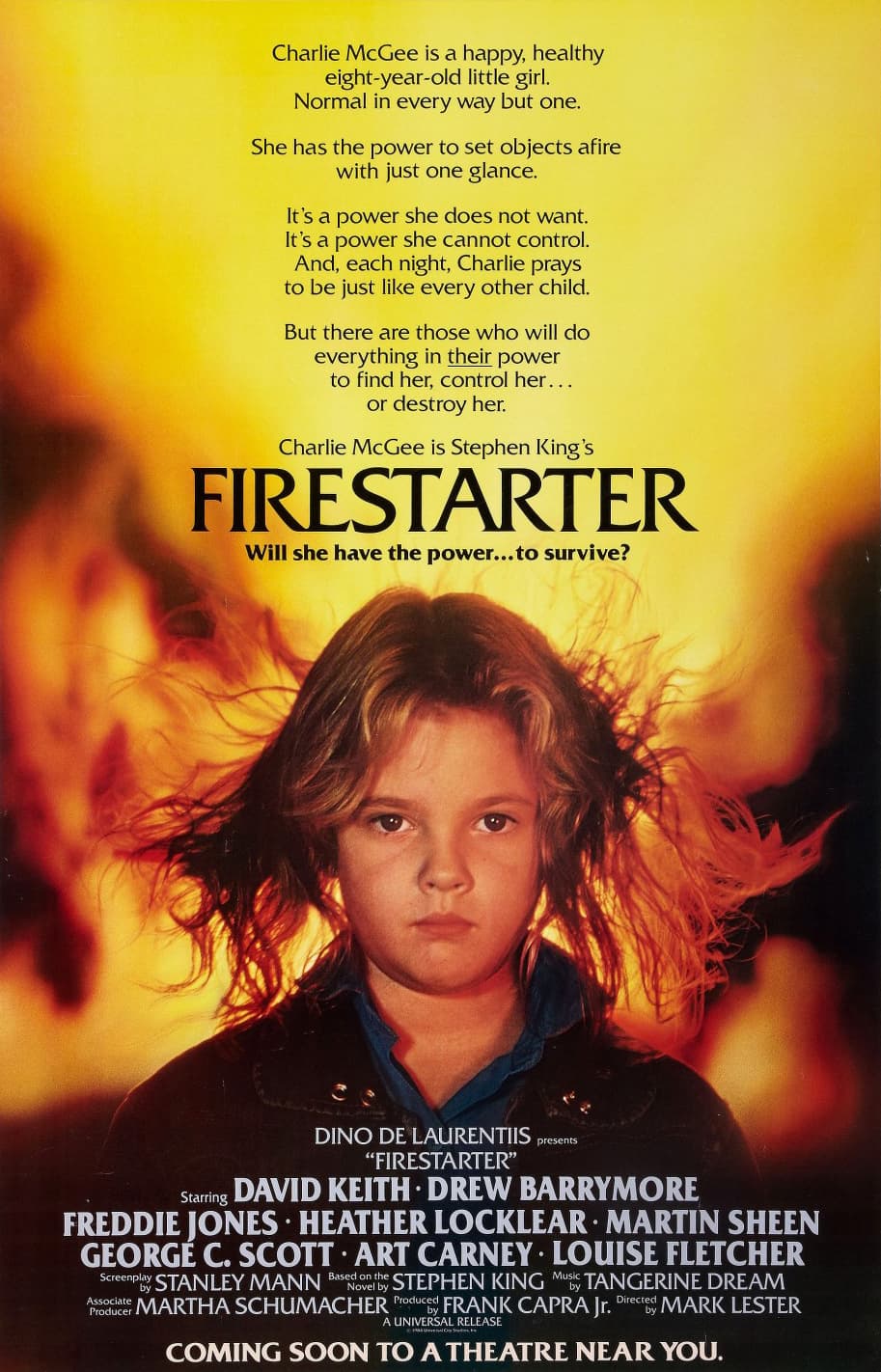
1984
Firestarter
Firestarter: family and parents protecting their children, and why this 1984 movie still matters.
Read our take →
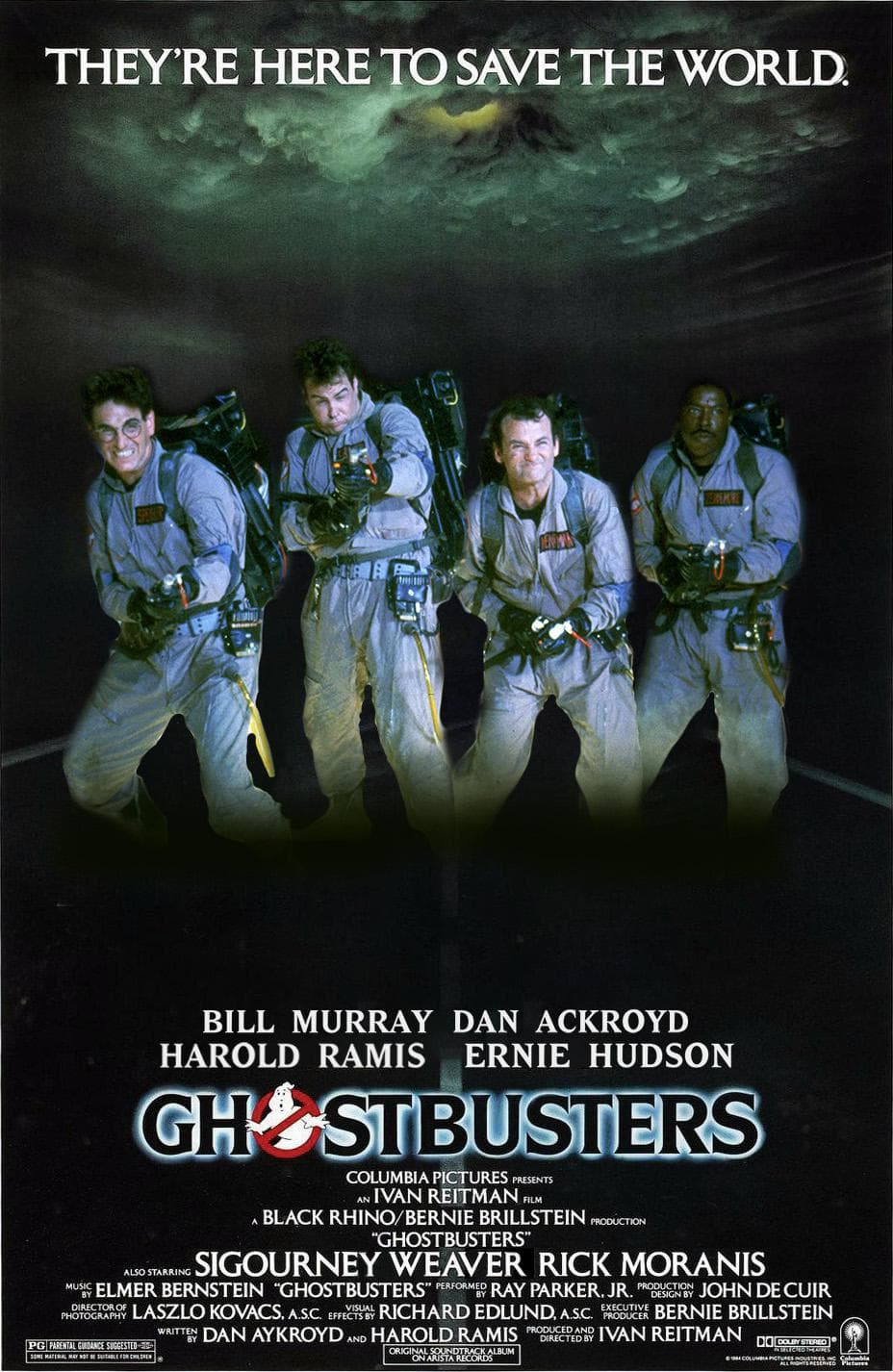
1984
Ghostbusters
A ragged band of scientists, a sardonic frontman and a city that refuses to behave — Ghostbusters still sells the joke.
Read our take →
1984
Night of the Comet
Sisters, malls and a comet — Night of the Comet is a B-movie that learned how to be fun and oddly wise about survival.
Read our take →