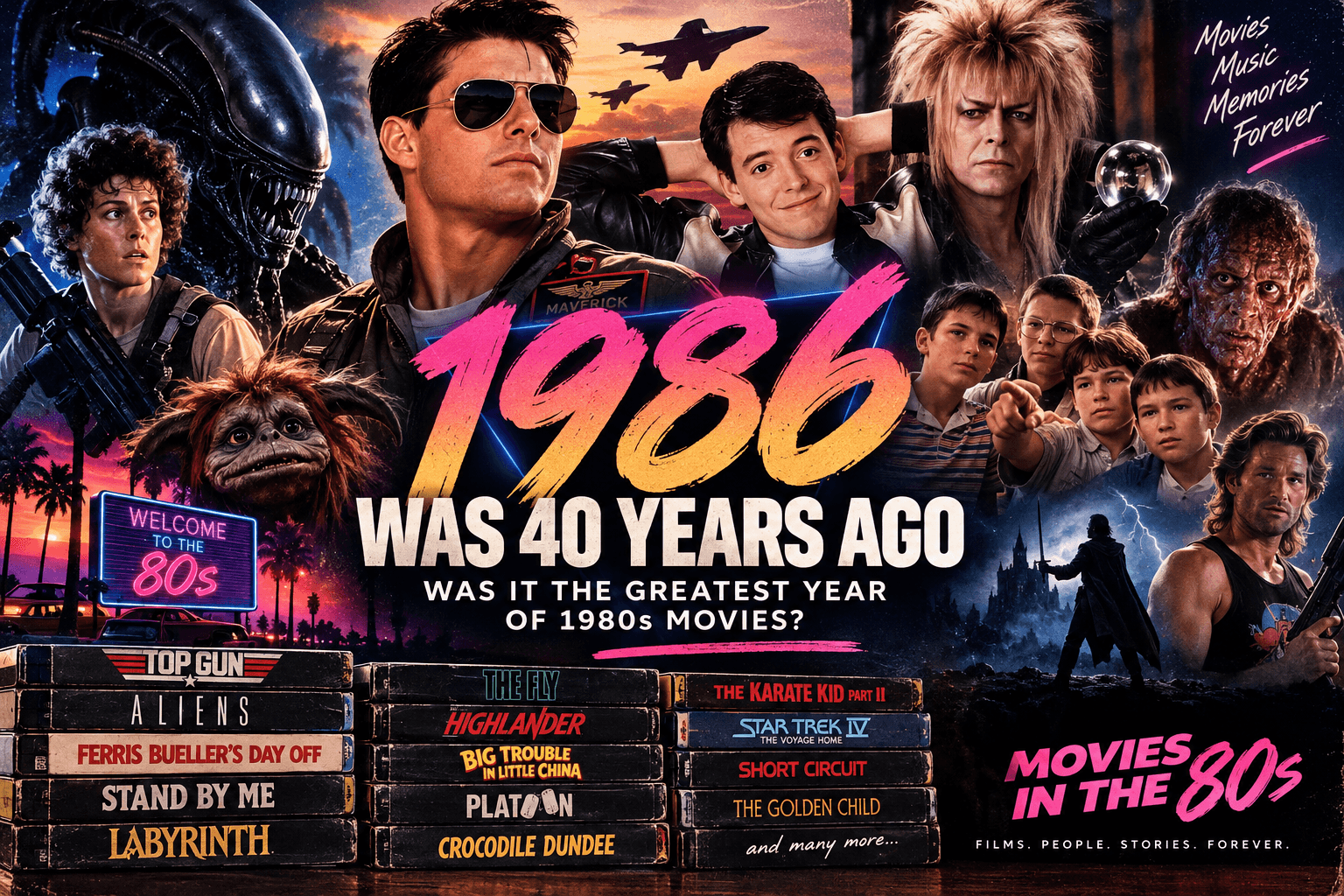
1986 Was 40 Years Ago — Was It the Greatest Year of 1980s Movies?
Top Gun. Aliens. Ferris Bueller. Stand by Me. Labyrinth. The Fly. Highlander. Forty years later, the films of 1986 haven't just survived—many still define what we love about 1980s cinema.
Forty years
That's how long it's been since Maverick climbed into an F-14
Ripley returned to face the xenomorphs; Ferris Bueller decided school could wait, and a group of kids set off along the railway tracks to find a body.
Somehow, 1986 is now forty years ago.
For those of us who grew up with these films, that sentence doesn’t feel remotely possible. Yet looking back at the movies released during those twelve months reveals something even stranger: just how extraordinary a year it was.
There were blockbusters and cult films. Horror and science fiction. Teen comedies, war movies, fantasy adventures, and films that initially struggled to find an audience before becoming treasured VHS classics.
This wasn’t simply a year containing a few good movies.
1986 had ridiculous depth.
So four decades later, it’s time to ask: was 1986 actually the greatest year of 1980s movies?
THE BLOCKBUSTER
Top Gun Didn't Just Rule 1986 — It Became Part of the Decade
You could probably build an argument for 1986 using Top Gun alone.
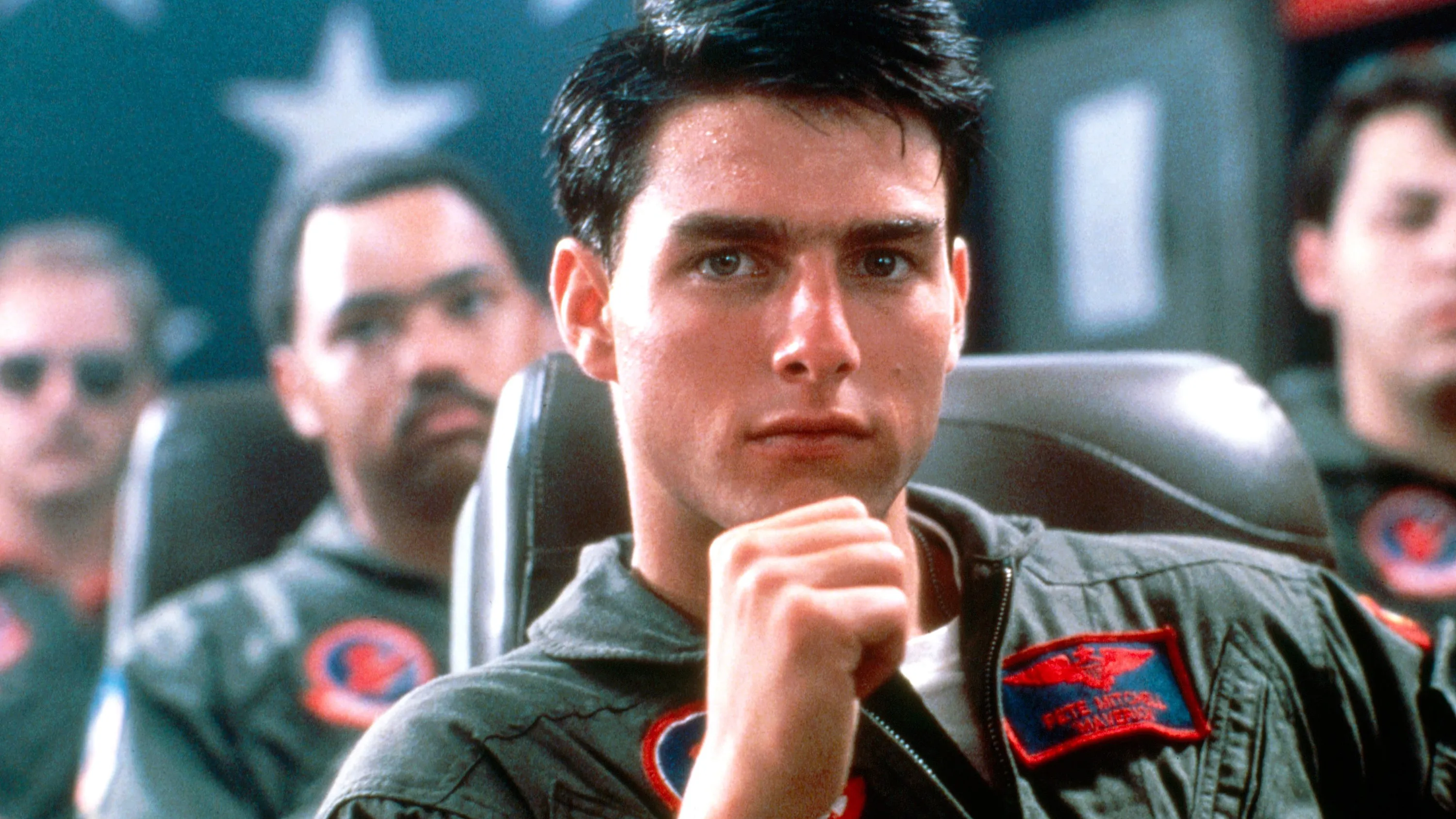
Tony Scott’s fighter-pilot blockbuster arrived in American cinemas on May 16, 1986 and became the year’s biggest domestic release. Box Office Mojo records a domestic gross of more than $176 million from its original run.
But the numbers only tell part of the story.
Top Gun had Tom Cruise, fighter jets, aviator sunglasses, motorcycles, beach volleyball and a soundtrack that seemed physically incapable of leaving the 1980s.
It wasn’t subtle.
It wasn’t supposed to be.
Everything about it was enormous.
Forty years later, Paramount marked the anniversary with another theatrical release in May 2026. That alone says something about the staying power of a movie released when VHS rental stores were still expanding worldwide.
And somehow, Top Gun isn’t even the strongest argument for 1986.
SCIENCE FICTION
Then James Cameron Sent Ripley Back Into Hell
Seven years after Ridley Scott’s Alien, James Cameron did something remarkably brave.
He didn’t try to remake the same film.
Aliens took the claustrophobic horror of its predecessor and turned it into a relentless science-fiction action movie without losing the terror that made the original work.
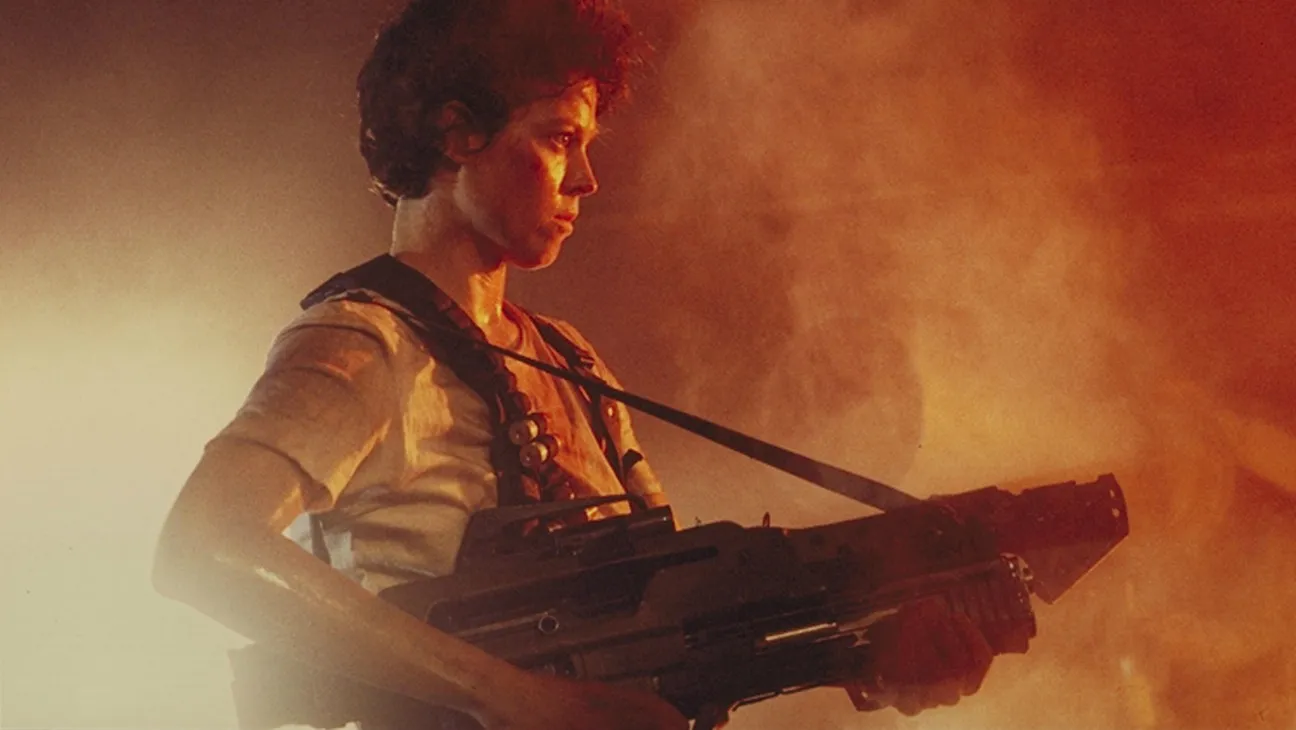
Sigourney Weaver’s Ellen Ripley became one of cinema’s great action protagonists. The Colonial Marines gave us an endlessly quotable cast. The Queen transformed the xenomorph mythology forever.
The film was also a major commercial success, earning more than $85 million domestically during its original release.
Four decades later, Aliens still feels ferocious.
Very few sequels manage to respect the film that came before while establishing an identity entirely their own.
Aliens did exactly that.
TEEN MOVIES
Ferris Bueller Took a Day Off — And Never Really Went Back
If Top Gun represents the decade’s blockbuster side, Ferris Bueller’s Day Off captures something completely different.
John Hughes understood teenagers.
More importantly, he understood how teenagers wanted to see themselves.
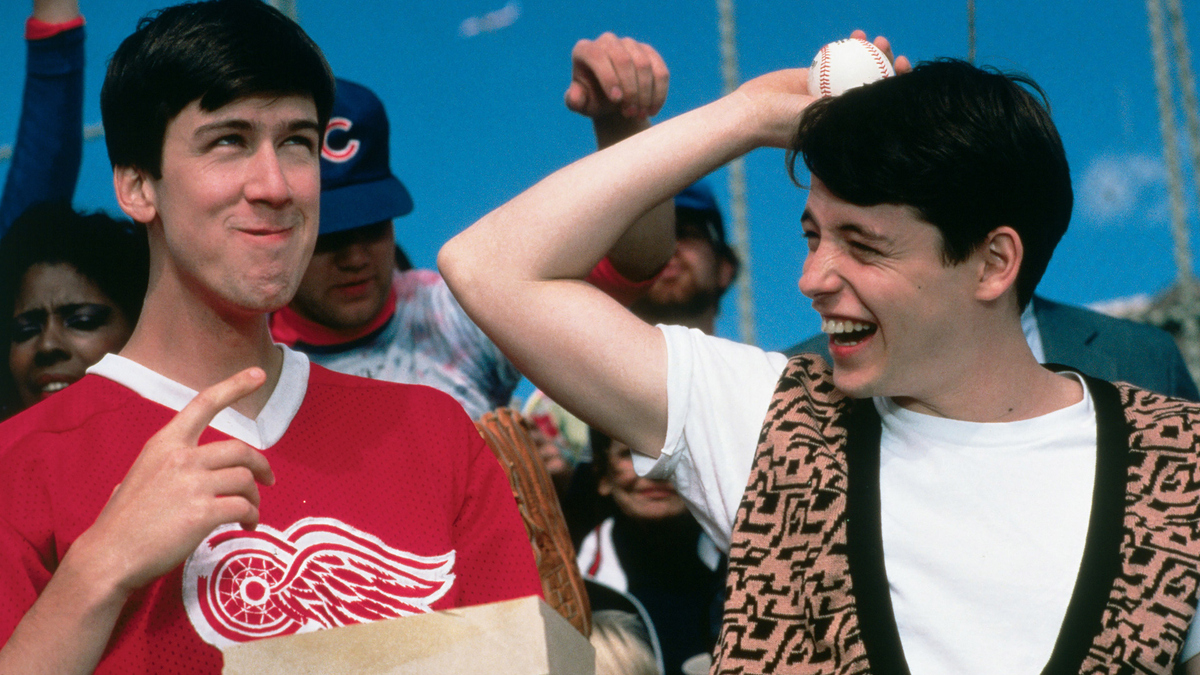
Ferris wasn’t battling aliens or flying fighter jets. His great mission was considerably simpler: avoid school and have the greatest day possible.
Matthew Broderick spoke directly to the audience. Cameron worried about everything. Sloane went along for the ride. Principal Rooney slowly destroyed himself trying to prove Ferris was somewhere he shouldn’t be.
The movie earned more than $70 million domestically, making it one of the year’s ten biggest releases.
But its longevity can’t really be measured by box office.
Ferris became shorthand for a particular kind of teenage freedom — the fantasy that for one perfect day you could simply step outside the rules.
COMING OF AGE
Stand by Me Showed the Quieter Side of 1986
Then there was Stand by Me.
No fighter jets. No monsters. No grand adventure to save the world.
Just four boys walking to see a dead body.
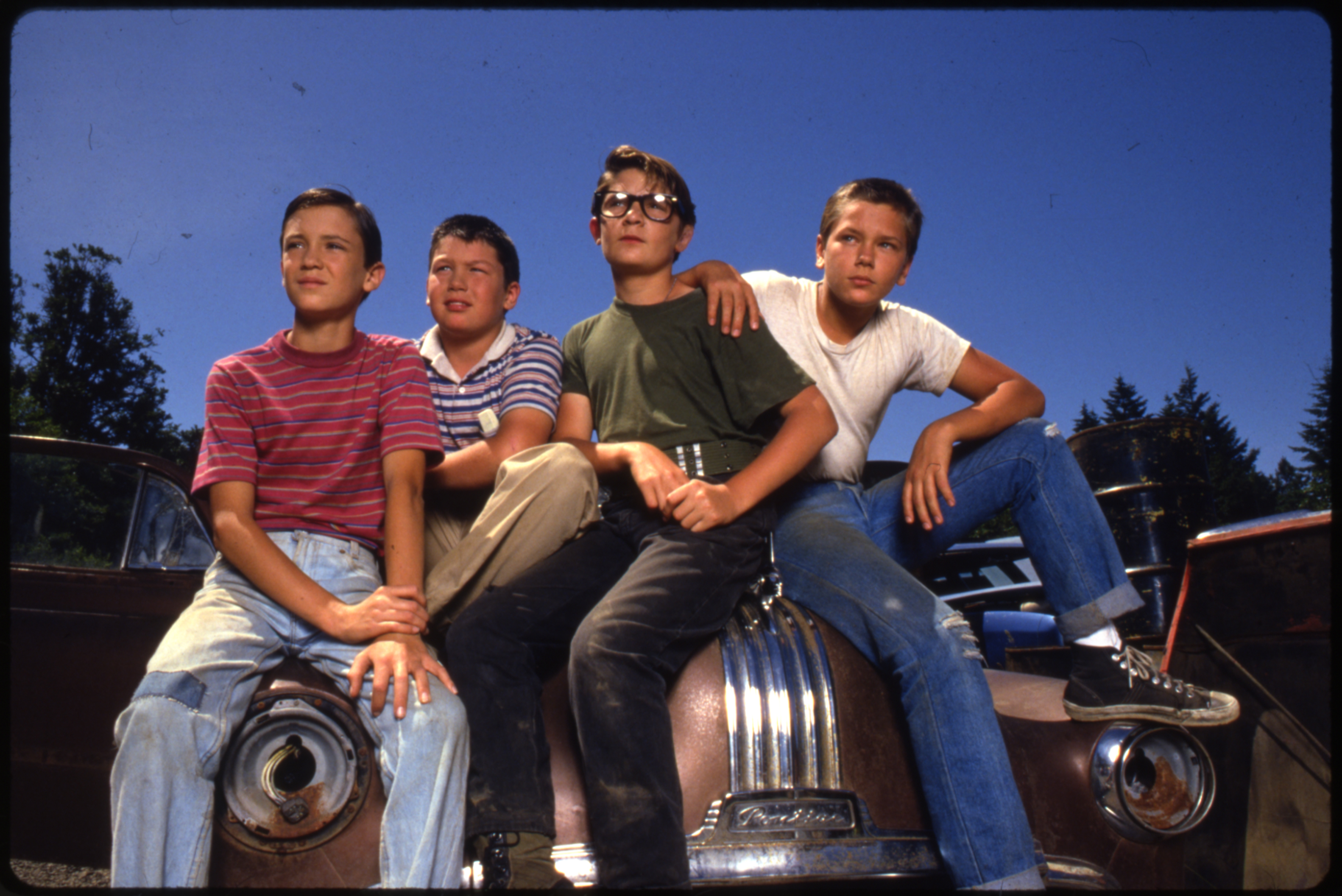
Yet Rob Reiner’s adaptation of Stephen King’s story became something far more profound: a film about that strange point in childhood when friendships feel permanent because you haven’t yet learned they often aren’t.
River Phoenix, Wil Wheaton, Corey Feldman and Jerry O’Connell made the friendship believable enough that the nostalgia never needed to be forced.
The film grossed more than $52 million at the North American box office — an impressive result for something so intimate compared with the year’s giant studio spectacles.
Watching it forty years later hits differently.
As children, we watched the adventure.
As adults, we understand what the narrator was really mourning.
FANTASY
Labyrinth Proved Box Office Doesn't Decide What Becomes a Classic
Not every great movie of 1986 conquered cinemas.
Some needed time.
Labyrinth is perhaps the perfect example.
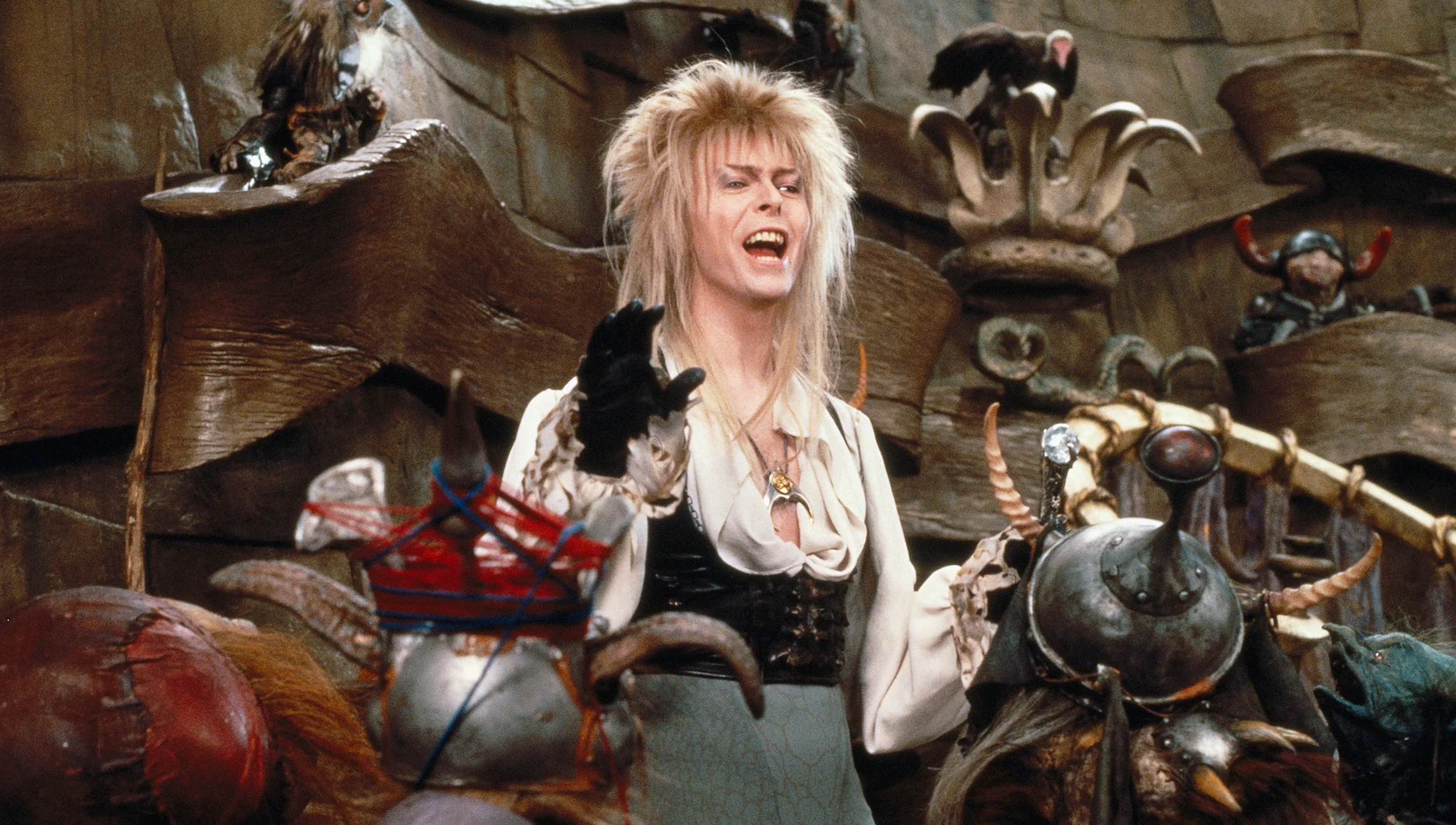
Jim Henson gave audiences a bizarre fantasy world populated by creatures, impossible staircases, goblins and David Bowie as Jareth the Goblin King.
Jennifer Connelly’s Sarah ventures into the labyrinth to rescue her baby brother, but describing the plot barely explains why the movie endured.
For a generation that discovered films repeatedly through television and VHS, Labyrinth became more than its original theatrical run.
That’s an important part of the 1980s movie story.
A theatrical release wasn’t necessarily the final verdict.
Sometimes it was only the beginning.
HORROR
The Fly Made Body Horror Heartbreaking
David Cronenberg’s The Fly could easily have settled for being disgusting.
And, to be fair, it often is.
But that’s not why people still talk about it.
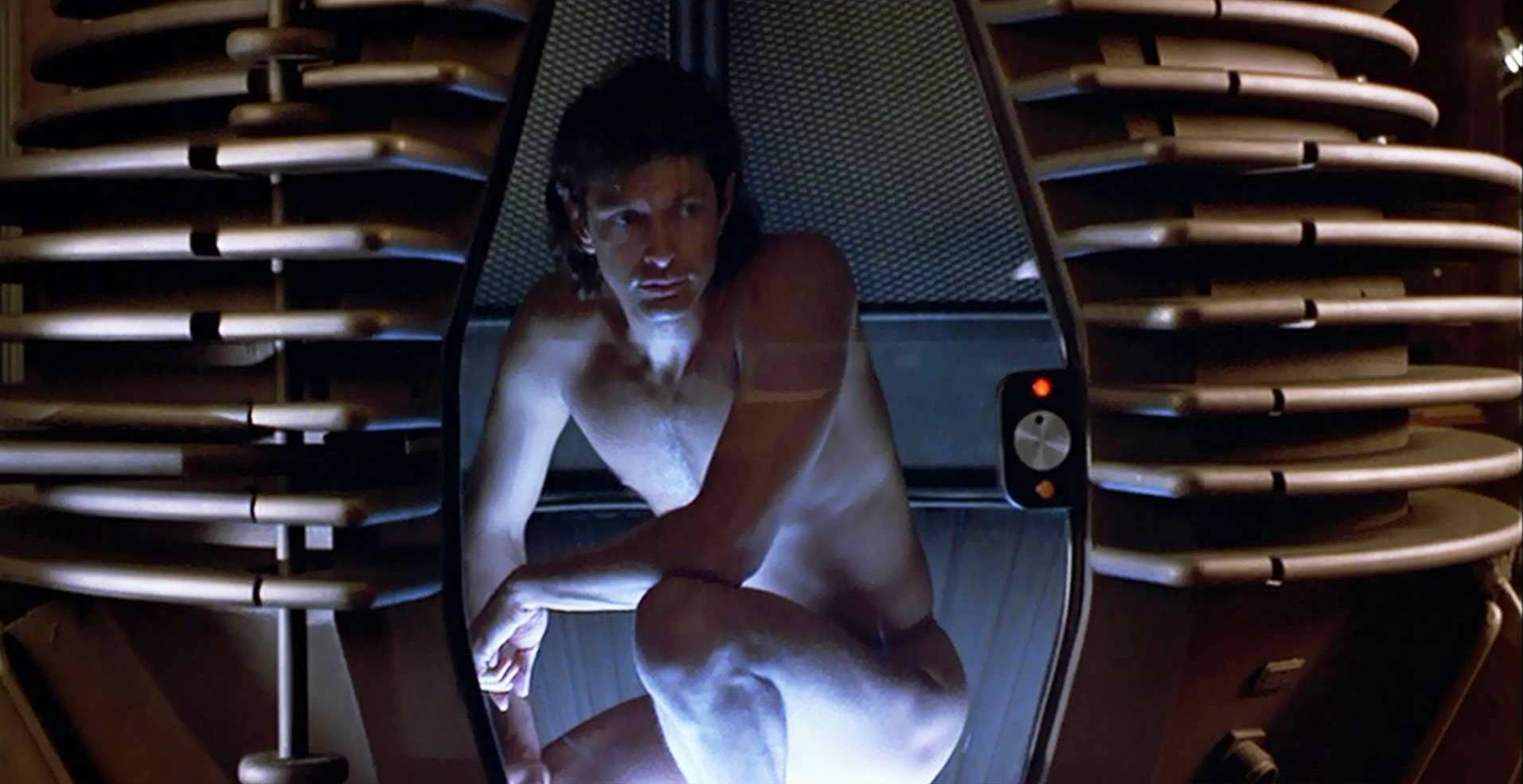
Jeff Goldblum’s transformation from Seth Brundle into something increasingly inhuman works because, beneath the extraordinary practical effects, lies a tragedy.
Geena Davis gives the film its emotional centre while Brundle’s excitement about his scientific breakthrough slowly becomes horror.
The result is a film that can make you recoil one minute and feel desperately sorry for its characters the next.
That’s considerably harder than simply frightening an audience.
CULT CINEMA
Highlander and Big Trouble in Little China Found Their Real Audience Later
Here’s where the argument for 1986 starts to feel almost unfair.
Even once you move beyond the obvious hits, you start finding films that became enormous cult favourites.
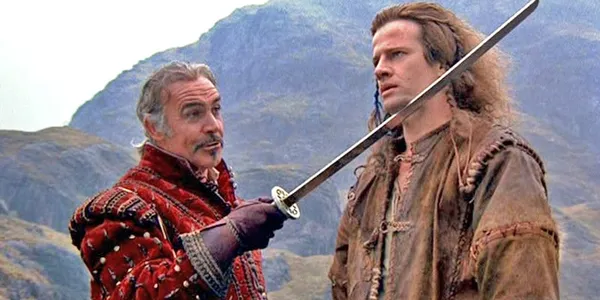
Highlander gave us immortal warriors battling across centuries, Sean Connery playing an Egyptian-born Spaniard with a Scottish accent and a Queen soundtrack that somehow made the whole thing even more magnificent.
Then John Carpenter gave us Big Trouble in Little China.
Kurt Russell’s Jack Burton thinks he’s the hero of the story while spending much of the film being spectacularly out of his depth.
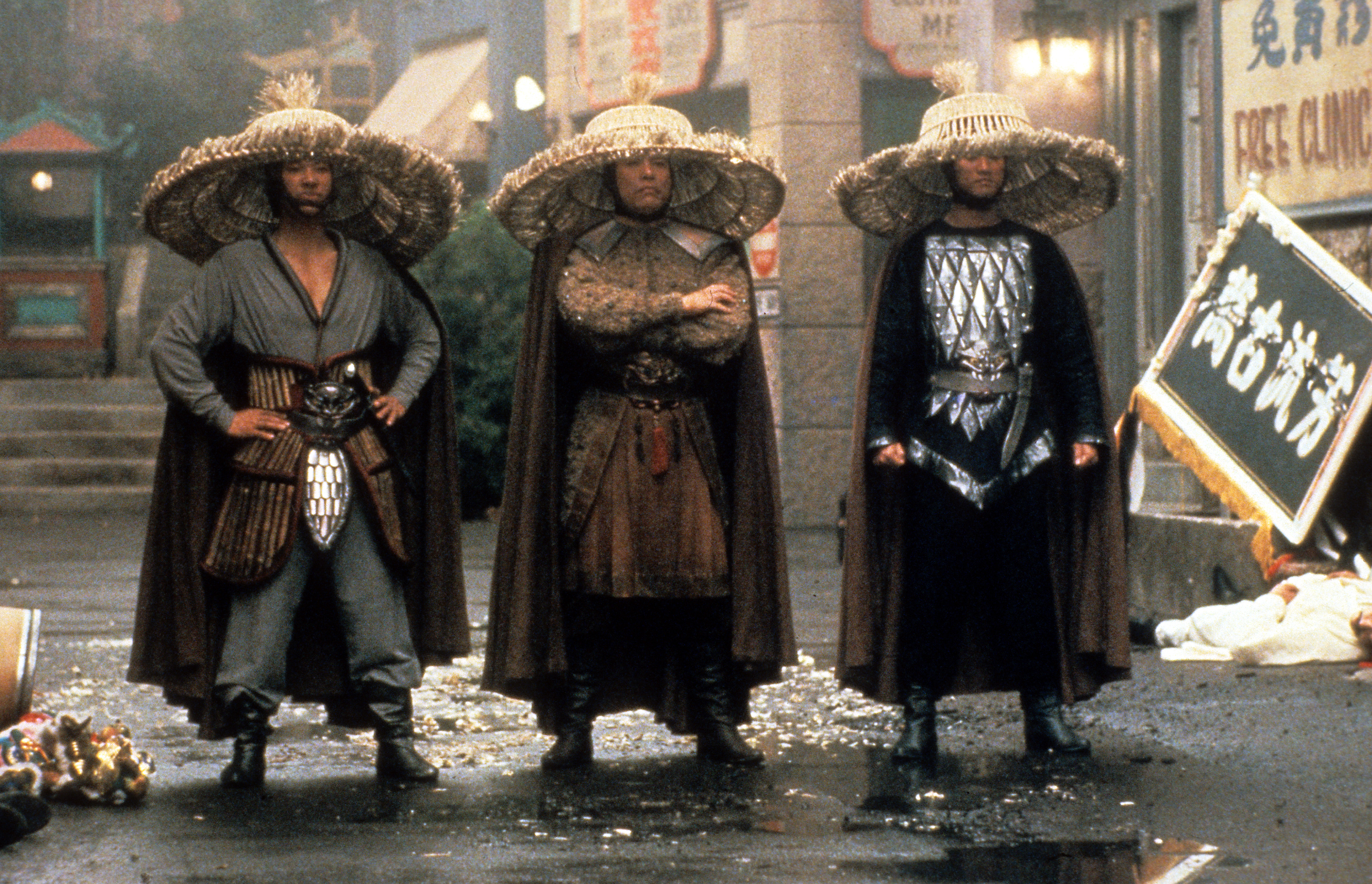
Neither movie needs to have dominated the year’s box office to matter now.
VHS, television, DVD and eventually streaming gave movies like these another life.
For many viewers, these weren’t films from 1986.
They were films discovered in 1988, 1992 or 2001 and then watched until the tape wore out.
THE DEPTH
And We Haven't Even Scratched the Surface
This is where 1986 starts getting ridiculous.
Crocodile Dundee became one of the year’s enormous commercial successes.
The Karate Kid Part II took Daniel LaRusso and Mr Miyagi to Okinawa.
Star Trek IV: The Voyage Home sent Kirk and the crew back to 1980s San Francisco to save whales.
Eddie Murphy starred in The Golden Child.
Rodney Dangerfield went Back to School.
There was Little Shop of Horrors. An American Tail. Flight of the Navigator. Short Circuit. The Money Pit. Three Amigos!. Peggy Sue Got Married. Blue Velvet. Manhunter.
And then there was Oliver Stone’s Platoon, which became another of the year’s biggest domestic releases.
Most years would be delighted to claim a handful of those movies.
1986 just kept going.
WHY THEY LASTED
Maybe the Imperfections Are Exactly Why We Still Love Them
Watching these movies now reveals something modern nostalgia can sometimes overlook.
They weren’t all masterpieces.
Some are messy. Some are ridiculous. Some contain effects that show their age. Some have moments that would never survive a modern studio notes meeting.
But they have personality.
Top Gun looks like Tony Scott made it.
Aliens looks like James Cameron made it.
The Fly unmistakably belongs to David Cronenberg.
Big Trouble in Little China couldn’t have come from anybody other than John Carpenter.
Ferris Bueller has John Hughes running through its DNA.
That’s perhaps the strongest argument for 1986.
The films don’t feel interchangeable.
Forty years later, you can often recognise them from a single frame.
FORTY YEARS LATER
1986 Didn't Disappear — We Just Kept Watching It
The strangest thing about celebrating the fortieth anniversary of these movies is that many of them don’t feel forty years old.
That’s because they never really went away.
They moved from cinemas to VHS shelves, then DVD collections, Blu-ray, television and streaming.
Parents showed them to their children.
Those children eventually showed them to theirs.
Lines were repeated. Soundtracks stayed on playlists. Posters remained on walls. T-shirts appeared decades after the films originally opened.
And characters we first met in 1986 somehow became old friends.
Perhaps that’s the real measure of a great year in cinema.
Not what people watched then.
What people are still watching now.
THE VERDICT
So Was 1986 the Greatest Movie Year of the 1980s?
There is serious competition.
1982 gave us E.T., Blade Runner, The Thing, Poltergeist and First Blood.
1984 brought Ghostbusters, Gremlins, The Terminator, A Nightmare on Elm Street, Beverly Hills Cop and The Karate Kid.
1985 had Back to the Future, The Goonies, The Breakfast Club, Rocky IV and Commando.
But look again at 1986.
Top Gun.
Aliens.
Ferris Bueller’s Day Off.
Stand by Me.
Labyrinth.
The Fly.
Highlander.
Big Trouble in Little China.
Platoon.
And that’s nowhere near the complete list.
Calling any year definitively the greatest will always come down to the movies you grew up with.
But forty years later, 1986 has one hell of a case.
And if those films can still make us laugh, scare us, excite us and occasionally make us wonder how forty years disappeared quite so quickly, perhaps they have already proved the point.
Keep reading
More features
Movies
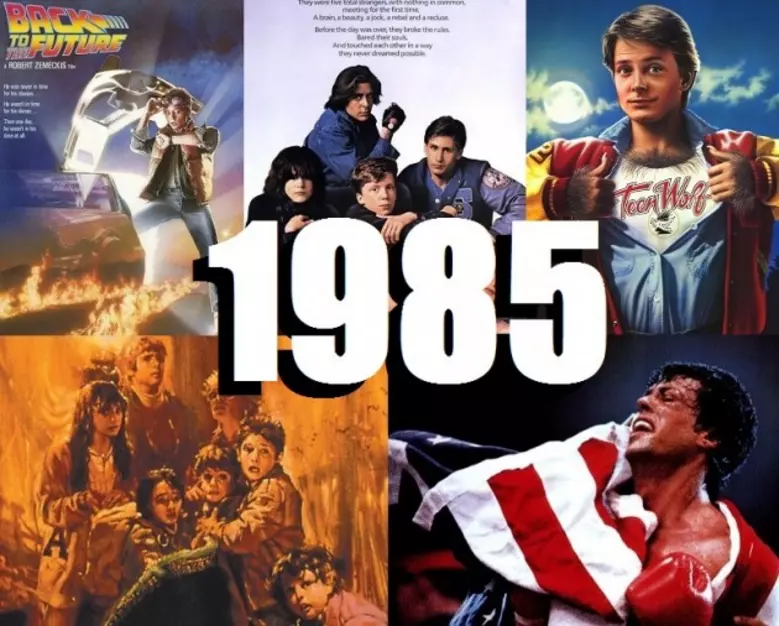
10 Movies That Defined 1985
From time machines to pirate treasure, 1985 might have been one of the most ridiculously entertaining years in movie history.
Read the feature →
Horror
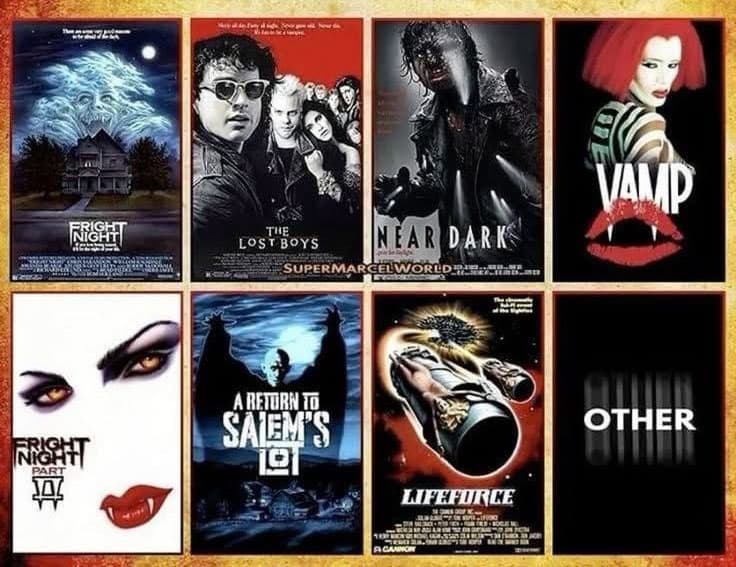
Why 80s Vampire Movies Were So Damn Good
The decade gave vampires leather jackets, nightclubs, motorbikes and a completely new attitude.
Read the feature →