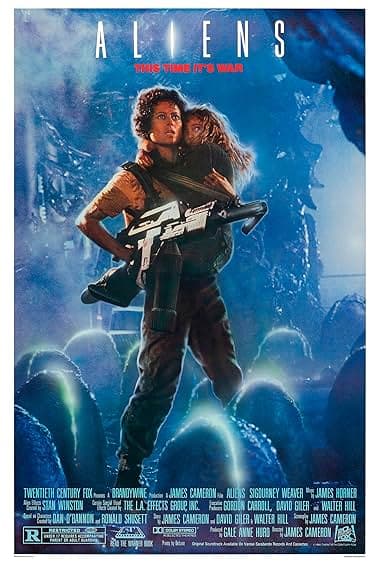
The setup
There are hundreds of reasons to rewatch Aliens, but only one that matters in the first five minutes: Ellen Ripley. James Cameron took a survivor who'd been disbelieved and put her in the centre of a full-throttle action-horror about a colony gone wrong, a little girl's survival and a very bad nest of Xenomorphs. If you need a reason to press play, start there.
THE MOVIE
Ellen Ripley is still the reason this movie works
Aliens begins with a simple, terrifying business proposition: decades after the first film, Ellen Ripley is found and asked to go back to the blasted rock called LV‑426. That return trip — not nostalgia, not curiosity — is the theatrical engine. James Cameron puts Ripley centre-stage and lets everything else orbit her decisions.
She isn’t a blank action figure shoehorned into explosions. The movie gives us a Ripley who is still scarred, whose warnings about what happened before were ignored, and whose motive is as human as it is violent: protect the child who survived and make the monsters pay. That shift from lone-survivor to guardian re-frames the whole sequel.
Cameron dresses the story in pulse rifles and APCs — it’s an action movie with teeth — but the emotional heart is a makeshift family. Ripley’s bond with the colony’s lone surviving child quickly becomes the film’s compass, and it’s why Aliens, released in 1986 and running to a generous 137 minutes, still feels like a carefully aimed piece of blockbuster storytelling.
THE SETUP
The idea that sets Aliens in motion
Don’t expect a slow-burn creep of the first film. The premise is tidy and relentless: contact with the Hadley’s Hope colony on LV‑426 goes dead, Ripley is persuaded to come along, and she finds not a few stray aliens but a large, organised infestation with a very distinct hierarchy.
Cameron turns the investigation into a war. A Colonial Marine unit arrives armed like soldiers — APCs, pulse rifles, sentry guns — and their tactics convert exploration into a pitched campaign. That military framing pumps the action and gives the movie permission to alternate between horror and full-on combat set pieces.
The stakes are immediate and personal. Ripley’s purpose tightens when she discovers a single child who survived the colony’s collapse; that relationship keeps the film from being mere spectacle. At the same time, the squad doesn’t escape unscathed: most of the marines are killed during the LV‑426 operation, which keeps the danger real and the tension high.
And for texture, the movie layers in an android whose presence affects both the plot and the group’s dynamics. All of this — the return to LV‑426, the military escalation, the lone child survivor and the technical complications — is what makes the setup work: it’s clear, and it accelerates without collapsing into chaos.
THE CHARACTER
Why Ellen Ripley matters
Ripley matters because Cameron gives her history and consequences. She’s not a vacant action hero; she’s a woman who’s already been through hell, whose testimony about a previous alien attack was dismissed, and whose reactions are shaped by that disbelief.
The film binds Ripley’s survival instinct to something tender. When she finds Newt — a child who has hidden and lived alone after the colony massacre — Ripley switches from self-preservation to protection. That surrogate-mother relationship becomes the film’s emotional anchor and explains many of her choices.
That maternal thread is not sentimental padding; it’s the motive that makes Ripley’s most desperate acts intelligible. In a movie full of military manoeuvres and monster encounters, the human bond between Ripley and Newt gives the violence weight and urgency.
And because Sigourney Weaver plays Ripley, the character arrives already associated with the first film’s legacy — a survivor who has been dragged back into the fight and is determined this time not to lose anyone she can save.
THE PERFORMANCE
Why Sigourney Weaver's performance matters
There’s concrete recognition for what Weaver brings: her work in Aliens earned an Academy Award nomination for Best Actress. That matters because the nomination underlines how central Ripley’s interior life is to a film that could easily have been only muscle and noise.
Awards don’t prove everything, but they do signal that Ripley’s emotional stakes were visible to the industry as well as the audience. The nomination helps explain why the film leans on Ripley — and why Cameron builds scenes to let her decisions drive the action.
Framed this way, the performance functions as the movie’s human hinge: the combat and the creatures are the spectacle, but Ripley’s choices are the reason we care whose life is at risk.
UNDER THE SURFACE
Aliens has more on its mind than the plot suggests
On the surface Aliens is a war film with monsters; underneath it’s preoccupied with people who have been traumatised and how they carry that damage into new crises. Ripley’s history isn’t optional colour — it’s what pushes her to protect Newt and to distrust easy answers.
Motherhood — biological or improvised — threads through the movie. Ripley’s protective instinct converts the mission from investigation into rescue, and that shifting focus gives the film emotional purchase that survives the action set pieces.
The military framing is another deliberate layer. The Colonial Marines bring tactics and bravado, and the film uses their organisation to escalate tension: soldiers clearing rooms, commanding officers making decisions, and small-unit cohesion being tested under pressure.
Finally, there’s a cold corporate edge to the story. The film raises questions about how corporate priorities can conflict with human lives — a tension that complicates the group’s survival and sits uneasily beside the marines’ straightforward desire to neutralise the threat.
THE FILMMAKING
How Aliens was put together
Cameron intentionally moved the series’ tone from the slow-burn dread of the first film toward broad, kinetic action. That tonal shift is visible in how scenes are staged: large-scale set pieces sit alongside moments of outright horror, and the movie alternates between intimate human beats and military operations.
Production design supports that rhythm. Peter Lamont and the art department built extensive sets — from the Hadley’s Hope units to a constructed alien hive — so sequences could play out as sustained, physical encounters rather than brief glimpses.
The craftsmanship didn’t go unnoticed: the film took home Academy Awards for its visual effects and its sound effects editing, and received additional nominations that underline how much of its identity was produced in the workshop as much as on the page.
Put simply, Aliens is a movie where directing, design and technical ambition are arranged to let both the action and the horror breathe; it’s not one idea loudly imposed on another, but a steady alternation that keeps you off-balance.
PRACTICAL EFFECTS
The effects work that gives Aliens its physical personality
A lot of Aliens’ power is physical. Stan Winston and his effects team rebuilt the aliens as faster, more mobile creatures, giving them rigs and suits designed for quicker, more athletic movement than the first film’s creature work.
Those creature performances were combined with a practical toolbox — wire-assisted stunt work, miniatures for model shots, and go-motion techniques where appropriate — so the aliens could leap, tumble and appear suddenly in ways that felt immediate rather than composited.
The production leaned on stunt performers and wire rigging to sell sudden, acrobatic attacks; that investment in choreography and mechanics is what makes the creatures feel like dangerous, present threats, not cardboard cut-outs.
All of this is why the film’s physicality lands: the monsters are engineered to move in ways that force the human characters to react with speed, improvisation and, ultimately, desperation.
PURE 80S
Aliens could not belong to any other decade
Released in the summer of 1986, Aliens feels like a product of its moment because it marries high-concept storytelling with effects-driven spectacle — the exact appetite mainstream cinema had in the mid‑80s. It’s a sequel that thinks big and spends on ideas.
Its fusion of action and horror mirrors a broader trend: sequels in the mid‑80s were getting bigger, leaning into spectacle and borrowing from war movies to amplify stakes. Cameron’s decision to put marines and tactics into a science‑fiction horror framework sits squarely in that trend.
That combination gave the film permission to be both a monster movie and a war movie, and it helped cement a template for blockbusters that wanted genre grit alongside large-scale set pieces.
Put another way: Aliens is very much a mid‑80s blockbuster — not because of throwback visuals, but because of how it thinks about scale, effects and the commercial ambition of genre.
WATCHING IT NOW
What has aged — and what hasn't
If you watch Aliens now, certain elements still register as immediate: the large-scale action, the tactile creature work and the production design that lets sequences play out in real space. Contemporary coverage and restorations regularly point to those elements as reasons the film holds up.
The human side still matters too. The film’s introduction of Newt and the expanded human–android relationship add emotional texture that modern viewers still respond to; those choices prevent the movie from being a one-note shoot‑‘em‑up.
Where viewers sometimes trip is in the supporting cast’s development: the film prioritises action momentum, and some secondary characters receive less screen-time as a result. That’s a deliberate trade-off — spectacle for depth — and it explains why the movie can feel lean on individual backstories.
There are also extended and alternate versions of the film in circulation; for those curious about a few additional beats, the expanded editions that surfaced on home video in later years provide an opportunity to linger in the world a little longer.
THE LEGACY
Why Aliens still matters
Aliens carried technical clout: it won Academy Awards for Best Visual Effects and Best Sound Effects Editing and picked up multiple Oscar nominations, which underlines how much of the film’s identity was produced in craft and detail.
It’s also the sequel that expanded Ripley’s trajectory and kept the franchise going into further films and many tie‑ins. That continuation isn’t merely commercial; it’s a narrative choice that allowed Ripley’s character to be tested in new, more physical ways.
Crucially, Aliens’ reworking of Ripley into an action‑oriented lead is now routinely discussed in film histories and retrospectives as an important step in the development of the cinematic female action hero. The film’s choice to place a woman at the centre of an effects-driven war movie mattered then and still frames how later pictures approached similar characters.
So the legacy is twofold: technical achievement and a narrative decision about who gets to lead a blockbuster. Together they explain why the film remains a reference point for both craft and character.
THE VERDICT
Does Aliens still hold up?
Yes. It still works because its centre — Ripley’s return to LV‑426 and the mission that drags her back into danger — is a compact, emotionally charged idea that anchors everything else. The inciting trip with the Colonial Marines turns exploration into combat, and that insistence on military mechanics gives the action coherent spine.
The film balances that spine with human investment: Ripley’s bond with Newt is the reason we accept the escalating risk, and the presence of Bishop the android adds practical skills and ethical contrast that matter in tight situations. Those relationships stop the film from becoming empty pyrotechnics.
Technically, the movie still impresses. The creatures were redesigned to move faster and more athletically, and the production design, miniatures and effects work support long, physical sequences that feel immediate. Awards recognition for effects and sound underline that the construction of the film was taken seriously at the time — and contributes to why it reads well now.
If you’re choosing a single 1980s science‑fiction film to revisit, Aliens is a solid ticket: it’s an action‑horror that respects its characters, makes large set pieces earn their space, and keeps its moral questions about protection and corporate priorities threaded through the explosions. Mostly, though: it’s Ripley’s film, and that’s the best reason to watch it again.
Featured in
Explore more about Aliens
The Best 80s Horror Movies: 20 Films That Defined the Decade
From The Shining and The Thing to Freddy Krueger, The Lost Boys and Aliens, these are 20 of the best 80s horror movies from a decade that transformed the genre.
Read the feature →
1986 Was 40 Years Ago — Was It the Greatest Year of 1980s Movies?
Top Gun. Aliens. Ferris Bueller. Stand by Me. Labyrinth. The Fly. Highlander. Forty years later, the films of 1986 haven't just survived—many still define what we love about 1980s cinema.
Read the feature →
Share this movie
Keep watching
More movies from the 80s
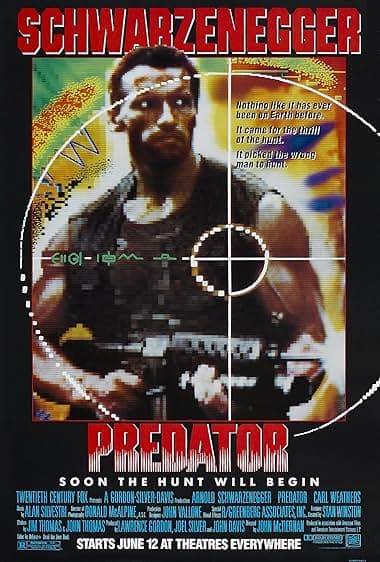
1987
Predator
A squad of soldiers, a silent hunter — and mud becomes a weapon.
Read our take →
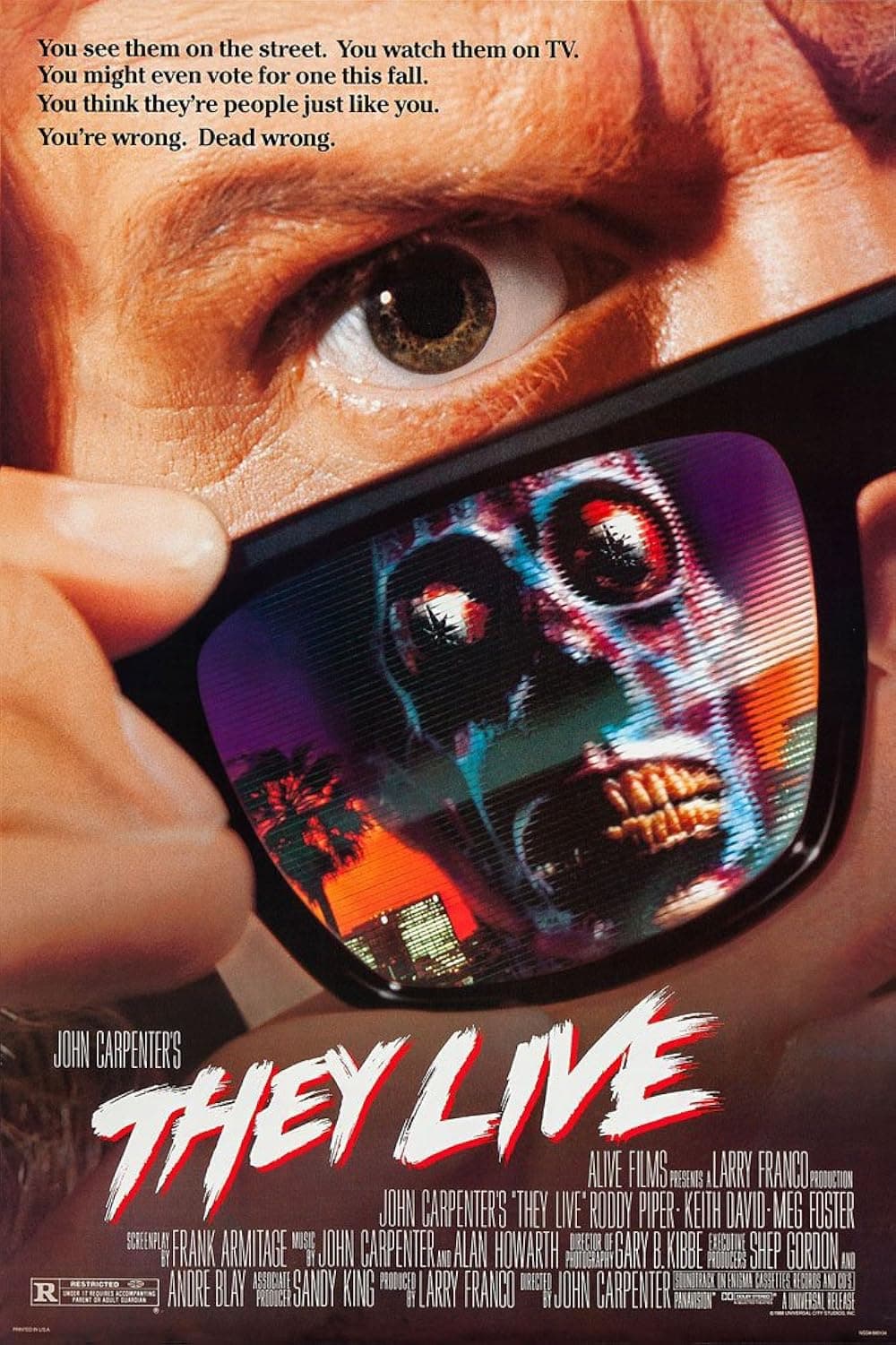
1988
They Live
Sunglasses, slogans and a man who will not let you look away.
Read our take →
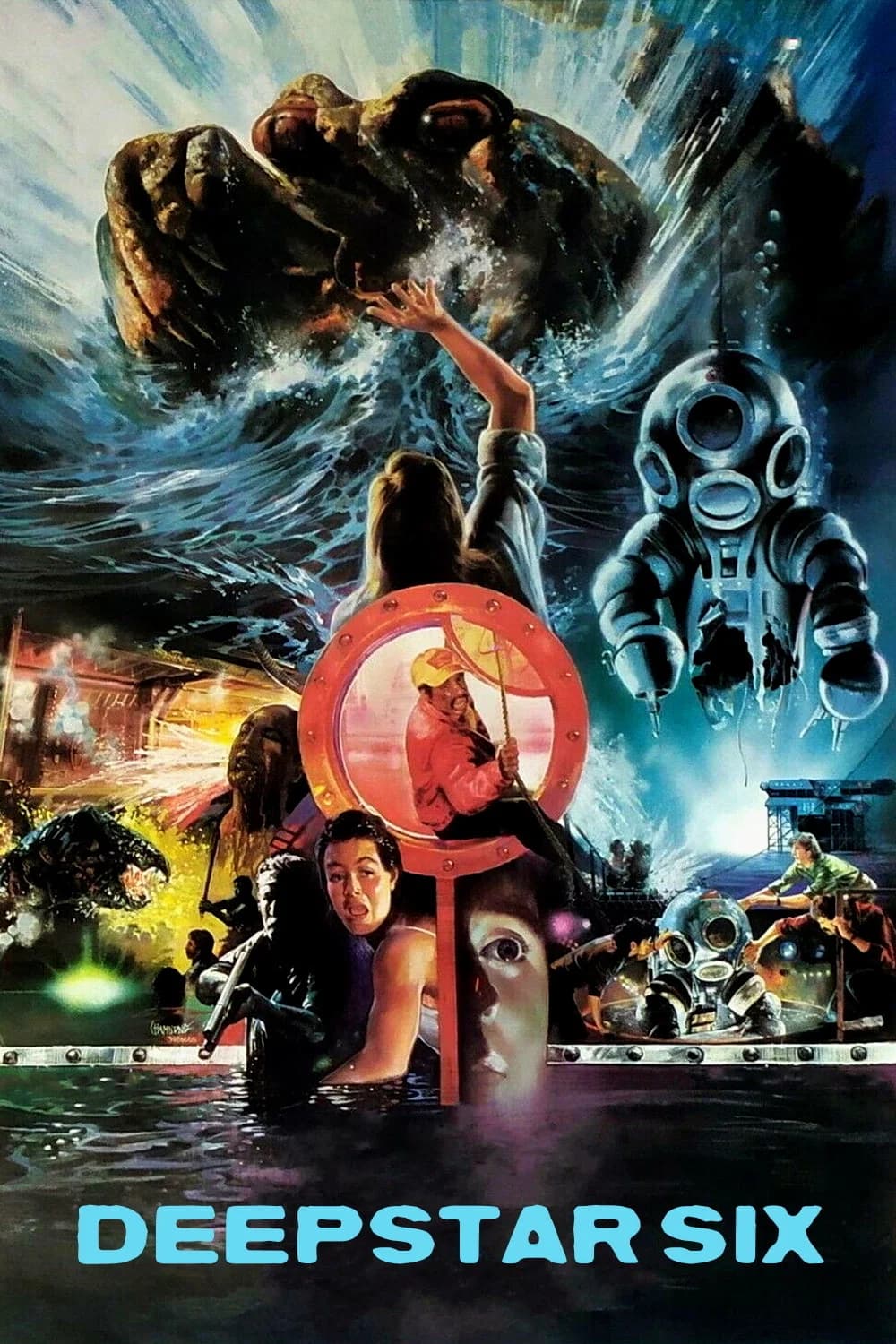
1989
DeepStar Six
DeepStar Six: fear and parents protecting their children, and why this 1989 movie still matters.
Read our take →