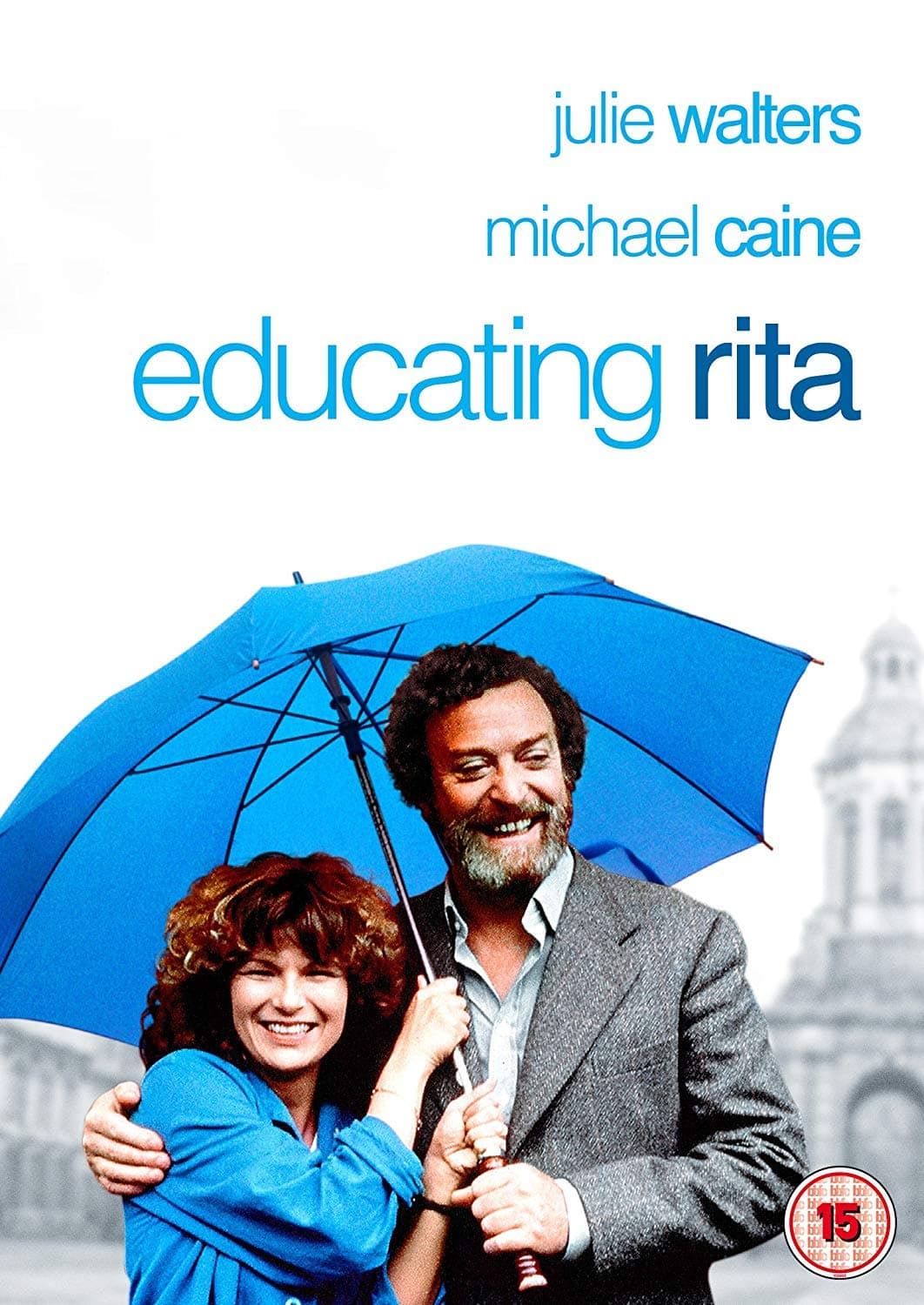
Educating Rita
A working‑class hairdresser, an exasperated tutor and a lesson that changes both of them.
The setup
Educating Rita keeps turning up in conversations because it pairs a very human appetite for learning with a tutor who has forgotten why books mattered in the first place. Lewis Gilbert’s 1983 screen adaptation of Willy Russell’s play makes that small collision feel sharp, funny and surprisingly tender.
THE MOVIE
Dr Frank Bryant is still the reason this movie works
If you remember anything from Educating Rita it’s probably the first tutorial — a hairdresser walks into a university office and the whole balance of power tilts. That first lesson is the moment the film gets interesting: Rita has signed up for an Open University literature course to change her life, and the encounter with Dr Frank Bryant sets their teacher–student relationship in motion.
What keeps the story alive isn’t just the neat comedy of two people from different worlds. It’s that the film treats education as a real route to social and cultural opportunity for a working‑class woman who wants something other than the life that seems already mapped out for her. That desire — and the awkward, truthful way it’s handled on screen — is why people still bring the film up.
There’s also a simple, practical reason to revisit it: the movie gives us two richly drawn leads. Michael Caine plays Dr Frank Bryant opposite Julie Walters’s Rita, and Lewis Gilbert directs them through a 110‑minute comedy‑drama that remains pointed about class, aspiration and the small cruelties of cultural snobbery.
THE SETUP
The idea that sets Educating Rita in motion
At its core the film is a tidy, robust premise: a working‑class hairdresser called Susan — who prefers Rita — enrolls in an Open University literature course because she wants choices she doesn’t have. That single, sensible decision is the plot’s engine and the reason the story needs only a few locations and a lot of conversation.
The central conflict is plain and effective: Rita wants cultural access and self‑improvement; the academic world offers a mixture of genuine literature and weary pretension. Frank, the jaded tutor, is the person who both opens that door and personifies the university’s blind spots.
Most of the film moves through tutorials, classrooms and a summer‑school environment. Those scenes are where the film’s mechanics live — one‑to‑ones, social widening as Rita meets a bohemian circle of students, and the slow reprisal of Frank’s own enthusiasm for books.
It works because the stakes are human rather than procedural. Rita’s entry into university life and her widening circles change how she talks and thinks; the screenplay uses those small beats to show character development rather than to build a complicated plot.
THE CHARACTER
Why Dr Frank Bryant matters
Frank is the pivot that gives the film its bite. Michael Caine plays a university tutor who, privately, still cares fiercely about literature, but publicly has slid into professional cynicism. That tension — between love of books and the bureaucratic, sometimes hollow world of the academy — is the role’s currency.
His relationships outside the classroom help define him. Frank’s interactions with his girlfriend Julia and with academic colleagues contrast the man who reads with passion at home and the man who performs disinterest at work. It makes him readable, and a little brittle.
Crucially, Rita’s changes begin to irritate him. As she picks up student mannerisms and a new language, those shifts expose the uneasy boundary between real learning and becoming what the university expects. Frank’s discomfort is not just about class — it’s about losing a private attachment to literature to the theatre of academia.
So the character matters because he’s not a cartoon of an academic nor a simple foil for Rita’s growth. He’s the person who discovers, again and again, that teaching can be its own kind of education.
THE PERFORMANCE
Why Julie Walters's performance matters
Julie Walters arrives in this film as a debutant, and contemporary reaction made that arrival impossible to ignore. Critics and summaries from the time singled out the two central performances — Walters and Caine — as a major reason the film landed so successfully.
That praise matters because the story depends on convincing chemistry between a student and her tutor; the film gives both characters room to breathe and change, and reviewers noticed that the performances carried those shifts.
So while this section won’t pretend to catalogue every nuance of delivery, it’s fair to say that Walters’s screen debut was not an unnoticed bit-player moment — it was part of what made the film register with audiences and critics alike.
Her portrayal supplies the film with believable momentum: Rita’s decisions feel earned because the performance makes her wanting and curious rather than merely instructive.
UNDER THE SURFACE
Educating Rita has more on its mind than the plot suggests
On the surface it’s a tutor–student comedy with heart. Underneath, the film is quietly political about class: education is presented as a real ladder to cultural opportunity for a woman born into working‑class expectations.
Adult education and the non‑traditional student are central facts of the story — this isn’t a young graduate finding herself, it’s someone who chooses to study later in life and in doing so asks for options that weren’t on offer before.
There’s also a running critique of institutional pretension. The film distinguishes between genuine curiosity and the posturing that can happen inside educational institutions; sometimes learning is about humility, sometimes it’s about who gets to perform knowledge.
Finally, the movie is about choice — female self‑determination framed through books and conversation. Rita’s transformation foregrounds the idea that education can be emancipatory, even when the route there is messy and uncertain.
PURE 80S
Educating Rita could not belong to any other decade
Released in 1983, Educating Rita sits squarely in an early‑80s British moment when screen adaptations of plays and regional stories were flourishing. That period loved portraits of ordinary people staking a claim to dignity and voice.
The film’s concerns — class, education and a working‑class woman’s self‑discovery — mapped neatly onto national conversations of the time, which is why contemporary coverage and later listings place it in the same conversation as other socially minded British films.
It also mattered in the marketplace. Premiering at Leicester Square in May 1983, Educating Rita became one of the Rank Organisation’s more commercially successful British releases of the decade, which kept it in public view and the national conversation.
Put simply: the movie feels of its era because its subject — who gets access to culture and how that changes people — was part of the 1980s British film agenda in a way that still reads clearly today.
THE LEGACY
Why Educating Rita still matters
The film’s shelf life is partly institutional: it won major BAFTAs in 1984 for Best Actor and Best Actress and earned three Academy Award nominations, which helped keep it in the conversation beyond its initial run.
It also secured a place in British film history listings, including the BFI’s Top 100 British films of the 20th century, which is the kind of recognition that ensures repeated viewings and classroom references.
Beyond awards, Educating Rita continues to be a reference point when people discuss stage‑to‑screen adaptations and portrayals of adult education; it’s repeatedly reissued on home media, including Blu‑ray, so new audiences can find it.
Even the notion that the director looked at revisiting the material later on says something: the story’s core — a woman buying herself cultural choices, and the tutor who has to reckon with that — still feels like a useful story to return to.
THE VERDICT
Does Educating Rita still hold up?
Yes — but with a small rider. If you watch it for a tight, character‑driven drama about class and learning, it still delivers. The film’s engine is simple: Rita signs up for an Open University literature course and her first tutorial with Frank starts a mutual transformation that the script then explores through tutorials and summer‑school scenes.
The central tension — her wish for self‑improvement against the academy’s occasional pretensions and Frank’s own growing discomfort — remains clear and affecting. The story’s beats, from Rita widening her social circle to Frank’s rekindled but complicated interest in literature, are compact and purposeful.
Contemporary responses make the point: reviewers singled out the central performances, and Variety specifically described Walters’s interpretation in glowing terms. Those notices reflected how the film balanced comedy and seriousness without losing sight of its human stakes.
So should you watch it? Absolutely, if you care about a small, well‑told story where education genuinely changes people — and where the teacher ends up learning how to teach again. It’s not a grand manifesto, but it’s a sharp, humane film about wanting more than the life you were handed.
Share this movie
Keep watching
More movies from the 80s
1983
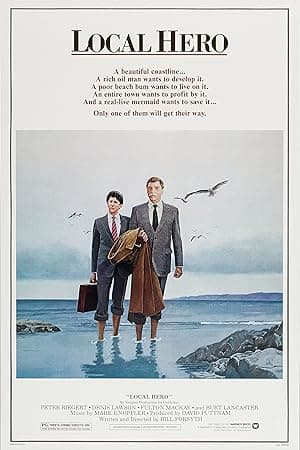
Local Hero
Local Hero: corporate power and greed, and why this 1983 movie still matters.
Read our take →
1983
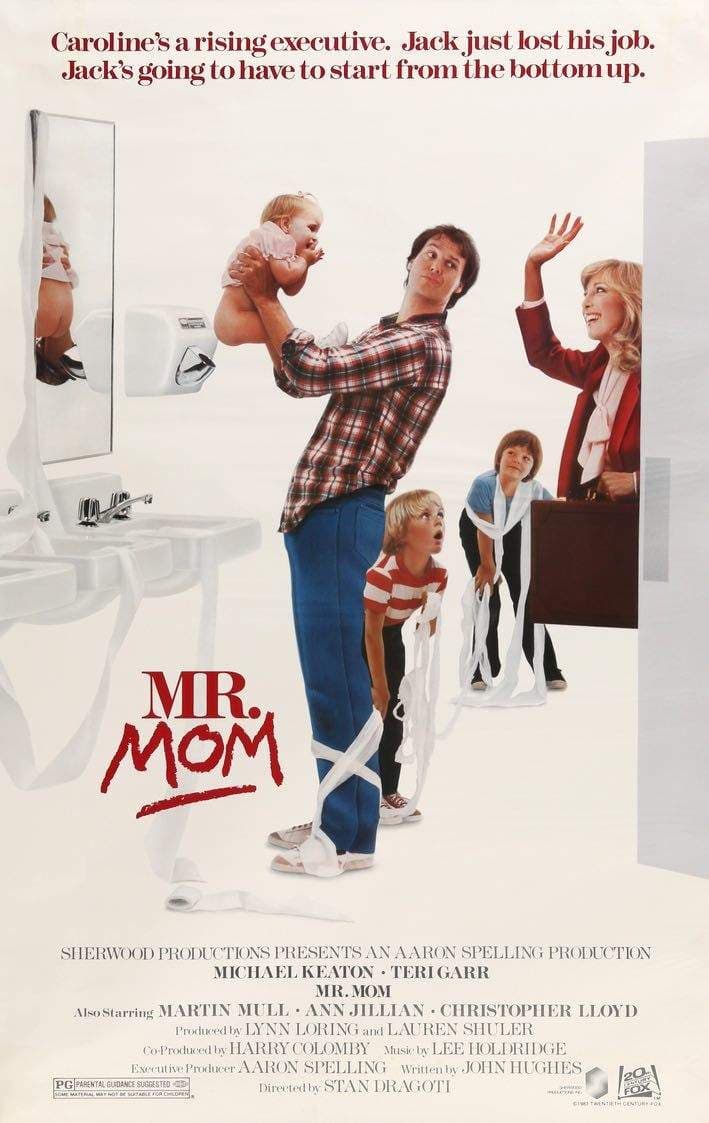
Mr. Mom
Mr. Mom: family and consumerism, and why this 1983 movie still matters.
Read our take →
1983
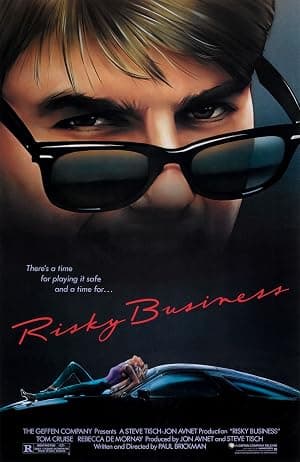
Risky Business
A suburban teenager, a one‑night business and the day ambition learned to look dangerous.
Read our take →