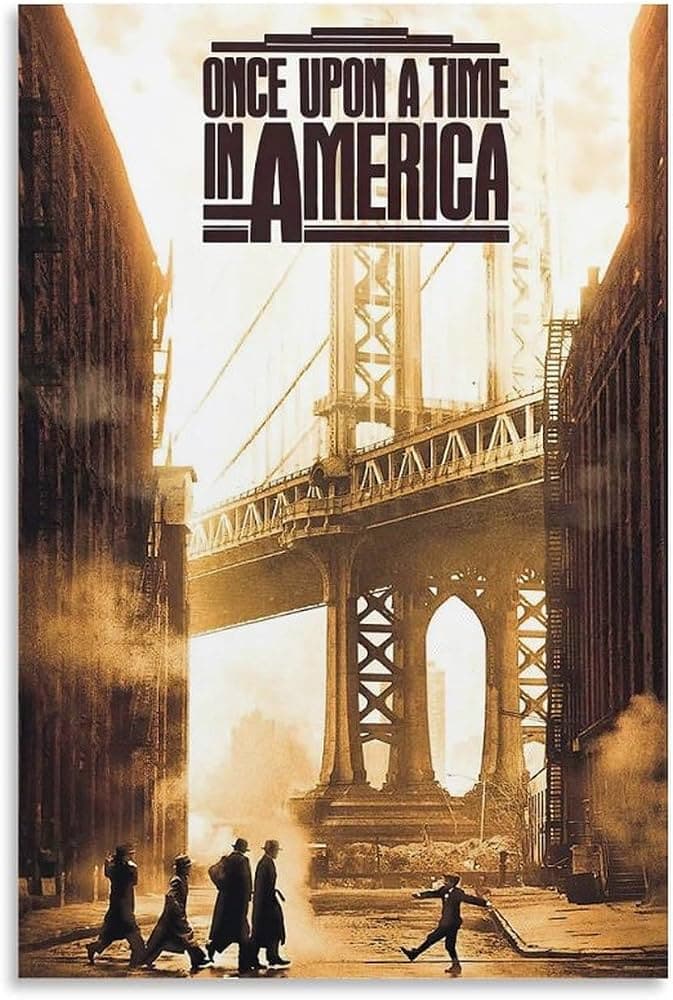
Once Upon a Time in America
A long, sad fable about boys who grow up — and can’t entirely remember who they were.
The setup
Once Upon a Time in America is the kind of film that insists you live inside its memory for a very long time. Sergio Leone’s 1984 epic follows David ‘Noodles’ Aaronson across decades, and the movie’s shape — its looping flashbacks, recurring music and the way it keeps returning to the same wounds — is why people still argue about it.
THE MOVIE
David 'Noodles' Aaronson is still the reason this movie works
If you want a single reason to go back to Once Upon a Time in America, start with David ‘Noodles’ Aaronson. The story isn’t primarily about gangland theatrics or set‑piece heists; it’s shaped around a man’s memory — the way he loops back, hesitates and returns to the same painful moments again and again.
Sergio Leone organises the film around three main stretches of Noodles’s life: boyhood in the Lower East Side, the dangerous rise during Prohibition, and a later return that forces old wounds open. That non‑linear structure isn’t a stylistic flourish; it’s the mechanism that makes the movie feel more like someone rummaging through a life than a tidy history.
It’s also leisurely. At 229 minutes, Leone gives us time to live with these people; Robert De Niro’s casting as Noodles anchors the point of view, and the whole piece is too patient to be satisfied with easy explanations.
THE SETUP
The idea that sets Once Upon a Time in America in motion
At its simplest, the film adapts Harry Grey’s The Hoods and follows Noodles and his circle from a Jewish Lower East Side childhood into bootlegging and the long consequences that follow. But that spine is only half the point.
Leone makes the movie leap and fold back on itself; repeated temporal jumps, framed photographs and musical motifs tie distant moments together. Those devices do the work of suggesting that memory is both intimately private and slyly unreliable.
The engine that drives story and feeling is Noodles’s loyalty and obsession — his attachment to Deborah and the betrayals among the gang. Those personal debts are what turn a sequence of criminal episodes into something that feels like fate.
Worth noting: the version many Americans first saw in 1984 was heavily shortened and rearranged into chronological order, which changes how that memory game lands on the viewer.
THE CHARACTER
Why David 'Noodles' Aaronson matters
Noodles isn’t merely the protagonist; he’s the film’s interior landscape. Robert De Niro plays him, but the key point is that the story is told through his returns to the past — his memories set the film’s moral and emotional agenda.
His friendship with Max is central: Max’s appetite for reinvention and power turns a childhood bond into a rivalry that haunts Noodles for decades. That shift from comrades to competitors is what gives the film its moral friction.
What makes Noodles memorable is less any single action than the way his loyalty, guilt and obsession accumulate. He is the lens through which betrayals and losses are felt, and the film keeps bringing us back to him to measure the cost.
Structurally, Leone’s cross‑cutting of timelines — a tactic shared with other great crime epics — makes Noodles’s interior life the connective tissue of the whole enterprise.
UNDER THE SURFACE
Once Upon a Time in America has more on its mind than the plot suggests
Behind the gangland arcs there are quieter obsessions: memory, loss and the corruption of a dream. The film keeps returning to how innocence is lost — not in a single moment, but through a lifetime of little compromises.
Memory is not neutral here. The movie treats recollection as something that reshapes events; what Noodles remembers is always shaded, unreliable and therefore morally freighted.
Friendship and betrayal are braided together so tightly they become indistinguishable. The betrayals between the boys from the neighbourhood are personal and structural at once: they ruin lives but also mirror the rot of the wider promise of America.
And then there’s time — the film is about nostalgia that doesn’t comfort. It shows how looking back can magnify regret, turning what used to be alive into an object you can only study.
THE FILMMAKING
How Once Upon a Time in America was put together
Leone assembled a veteran crew that helped the film feel deliberate rather than hasty. Tonino Delli Colli is credited as director of photography, and Nino Baragli oversaw editing on principal versions; Carlo Simi handled production design.
Those names matter because the movie needs a steady hand to ride its length. The storytelling choices — widescreen composition, long takes that let scenes breathe and a careful alternation of public criminal business and private recollection — rely on craftsmen who could sustain a particular tempo.
Ennio Morricone’s score (noted for recurring motifs like ‘Deborah’s Theme’) is woven into those choices: music becomes another memory cue that links separate stretches of the story.
Put together, these production elements keep the film from feeling episodic; they make the decades feel like a single, bruised life.
PURE 80S
Once Upon a Time in America could not belong to any other decade
The movie is very much a product of its moment — not because of fashions, but because of the way the decade treated big cinema. Released in 1984, it was Sergio Leone’s final completed feature and arrived at a time when distributors were nervous about runtimes.
That commercial pressure is central to the film’s 1980s story: the U.S. theatrical release was drastically shortened and reorganised into chronological order, a decision born of exhibitor concerns rather than artistic intent.
The Cannes premiere the same year captured the contradiction — a long standing ovation for a cut audiences saw in Europe, and a divided response that underscored how the business side of the 80s could reshape art.
In short, the film’s fate — its length, the clash over versions and the debates that followed — is an unusually public example of 1980s cinema struggling with audience expectations.
WATCHING IT NOW
What has aged — and what hasn't
Certain things in the film remain stubbornly effective: the core story about friendship turning into betrayal still hits. Those human dynamics don’t date because they’re built from recognisable choices — loyalty, envy, the inability to go back.
Likewise, the cross‑cutting of timelines still rewards patient viewers. When the film moves between past and present, it creates an emotional layering that a shorter, flattened edit simply can’t replicate.
What can feel harder now is surrendering to that length and to Leone’s insistence on letting scenes breathe; modern attention spans are different. But where the structure is intact, the payoffs — the revelations and the sense of accumulated loss — still work.
In other words: the emotional architecture survives because it rests on relationships and memory, not on trendy technique.
THE LEGACY
Why Once Upon a Time in America still matters
The film’s afterlife is unusual because it was partly made by time and curation. The Cannes ovation in 1984 and the initially divided reception mattered, but the long story of restorations and festival screenings in later decades changed how critics and audiences read the movie.
Restoration efforts — including major projects overseen by film archives and preservation bodies — have let longer cuts circulate again, and those presentations have been central to how the film’s reputation was rebuilt.
Academia and retrospectives treat the picture as Leone’s late‑career summation: a film in which his recurring interests in time, myth and genre are reworked into a different register.
So the legacy isn’t a simple tale of instant approval; it’s a dialogue across years about what the film was trying to do and which version best lets that intention be seen.
THE VERDICT
Does Once Upon a Time in America still hold up?
Yes — with a caveat. If you choose the longer, interleaved cut that Leone intended, the film’s central wager pays off: it makes Noodles’s loyalty, guilt and obsession feel necessary rather than ornamental.
Those temporal jumps, the photographic and musical cues, and the way the story keeps folding back on itself are not tricks; they’re how the film stages the unreliability of memory. Lose that structure — as happened in the shortened U.S. release — and you lose a lot of the movie’s meaning.
The performances, the casting and the runtime (229 minutes in the principal European cut) are part of a deliberately large canvas; the story needs room to breathe because it is, at heart, about trying to recover a childhood that can’t be retrieved.
So, should you watch it today? If you’re in for a slow, cumulative experience about friendship, betrayal and the cost of wanting something back, absolutely — but seek out the longer cut. This is a film that asks to be lived inside, not skimmed.
Featured in
Explore more about Once Upon a Time in America
Share this movie
Keep watching
More movies from the 80s
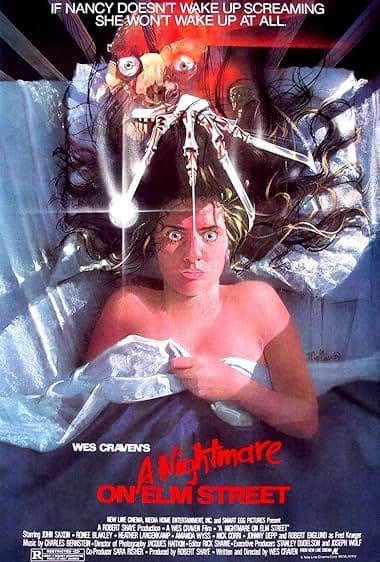
1984
A Nightmare on Elm Street
A Nightmare on Elm Street: family and the safety of home, and why this 1984 movie still matters.
Read our take →
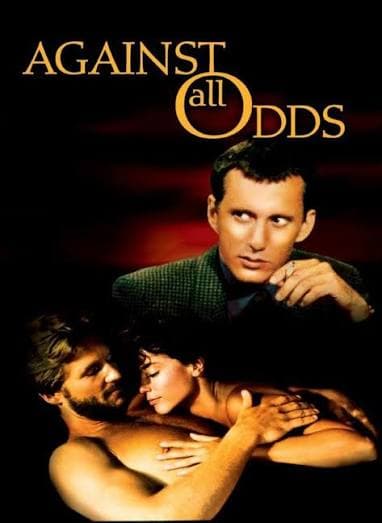
1984
Against All Odds
Against All Odds: family and greed, and why this 1984 movie still matters.
Read our take →
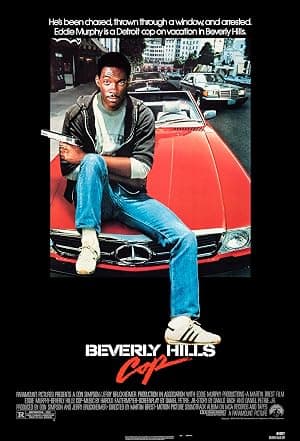
1984
Beverly Hills Cop
A fast-talking cop, a culture clash and a synth hook.
Read our take →