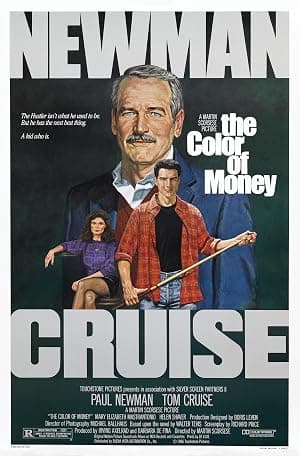
The setup
There are movies you remember for one slippery image — an old pro leaning over a table, the click of balls, a younger player full of flash. The Color of Money brings those moments back with a sly, stubborn intelligence: Scorsese directing a late-career Paul Newman as a retired hustler who can’t resist one last game. It’s a film about teaching someone to win, and the price that lesson exacts.
THE MOVIE
Eddie "Fast Eddie" Felson is still the reason this movie works
The Color of Money grabs you with a familiar silhouette: Eddie "Fast Eddie" Felson back in the pool world, older and sharper in different ways. He’s not there for nostalgia; he’s watching and calculating, and when he spots Vincent he sees both talent and a very useful ego.
That moment — the older pro recognising a young show-off — is the film’s engine. It sets up a mentorship that’s as much about control and money as it is about craft, and it forces Eddie to confront his own mixture of pride and a late urge for personal honour.
Put Martin Scorsese behind the camera, give him Paul Newman and Tom Cruise, and suddenly a sports drama becomes less about tournaments and more about what teaching someone to win really costs.
THE SETUP
The idea that sets The Color of Money in motion
At its simplest, the film follows Eddie as he re-enters the game and finds Vincent — young, flashy and hungry for attention. Eddie decides to take him under his wing, but it’s never purely noble: the plan is to turn Vincent’s bravado into a profitable hustle.
That’s the neat structural trick. The plot gives us road‑show dynamics: a small travelling troupe, staged matches and the gradual unspooling of tension between Eddie’s controlled approach and Vincent’s appetite for spectacle.
Richard Price’s screenplay was built specifically around Newman’s returning character rather than trying to be a faithful lift of the source novel. The story rearranges old material to let the relationship between mentor and protégé carry the film.
Because the central conflict is generational — craft versus showmanship — even the quieter scenes feel charged. It’s never simply pool; it’s a contest of values wrapped in a series of matches.
THE CHARACTER
Why Eddie "Fast Eddie" Felson matters
Eddie Felson isn’t just a vehicle for plot; he’s what the film keeps coming back to. Paul Newman reprises the role he first played decades earlier, and the whole screenplay is arranged to give Eddie room to weigh his old hustler instincts against a desire for some sort of late redemption.
That setup lets the film explore pride and control without turning Eddie into a simple villain or saint. He’s a gambler, yes, but one with a craft he still respects — and that tension, between earning money and earning honour, keeps him interesting.
Because the movie is built around him, all the other drama — the touring, the staged losses, the friction with the younger players — feels like variations on Eddie’s choices. He’s the pivot the story spins on.
And crucially: this is the same character returned to the screen, not a distant reinvention. That continuity gives the film a moral and emotional shorthand it can interrogate rather than explain.
THE PERFORMANCE
Why Paul Newman's performance matters
If the film is built around Eddie, Newman’s work is the lodestone that keeps the construction from wobbling. His performance was singled out at the time and culminated in an Academy Award for Best Actor.
That award frames how audiences approached the film: you’re aware you’re watching someone who’s been recognised for making this particular character feel consequential, and the movie lets that recognition sit at its centre.
Because the screenplay was explicitly arranged around Newman’s return, the performance functions as the film’s organising principle rather than an accessory to plot mechanics.
Put simply: the story expects you to care about Eddie, and the film gives you a performance that invites that care in return.
UNDER THE SURFACE
The Color of Money has more on its mind than the plot suggests
On the surface it’s a sports drama about hustling and tournaments. Underneath, it’s a study in mentorship: what happens when you teach someone to win by deception, and whether that craft damages the soul of the pupil or the teacher.
Generational conflict is threaded through every match. Eddie embodies seasoned restraint; Vincent answers with spectacle. The film turns their clashes into conversations about authenticity and performance — is winning everything if winning costs you who you are?
Redemption sits uneasily beside the ethics of hustling. The movie doesn’t hand out tidy moral verdicts; instead it lets the moral ambiguity of competitive deception simmer.
There’s a steady question at the heart: when you pass on a skill that thrives on trickery, who gets the final lesson — and who pays for it?
THE FILMMAKING
How The Color of Money was put together
This isn’t Scorsese doing his usual streetwise fury; it’s a director translating tension into the geometry of a room. Scorsese and Michael Ballhaus used camera movement — rolling overhead shots and kinetic staging — to make pool halls and multiple tables into expressive set pieces.
That choice turns what could have been a static sports movie into something visually alive. Pool becomes choreography, and the camera helps the viewer feel the rhythm of the matches rather than just watch them.
Production design, credited to Boris Leven, supplies the physical world in which those camera moves can play. The settings matter because they give the film places to stage its tests of nerve and showmanship.
Thelma Schoonmaker’s editing ties it together, keeping the matches taut and the road‑trip elements from sagging between games.
PRACTICAL EFFECTS
The effects work that gives The Color of Money its physical personality
The convincing pool sequences are not movie trickery; they come from rehearsal and coaching. Actors were trained by technical advisor Michael Sigel and practised during production so that nearly every shot of play on screen was performed by the principals themselves.
There is one exception: a single, specialised shot executed by the advisor — which is the sort of surgical assistance that keeps authenticity intact without undermining the actors’ own work.
That approach matters. When actors perform the shots, you read the table as part of the performance — the cue, the tremor, the quiet concentration — not as a prop someone else is manipulating.
So, the film’s physical personality — the way matches feel lived-in and immediate — rests on honest, practical craft rather than cinematic sleight of hand.
PURE 80S
The Color of Money could not belong to any other decade
The Color of Money sits squarely in the mid-1980s moment where studios were experimenting with grown-up fare under familiar names. It was released through Disney’s Touchstone label, a sign of how studios were packaging more adult stories while still courting mainstream audiences.
It’s also a distinctly 1980s kind of sequel: a 1960s character brought back and retooled for a younger, flashier audience. The film pairs the comfort of a returning lead with the decade’s appetite for fresh faces and showmanship.
Shot in early 1986 and released that autumn, the film’s timing helped it bridge generations — both in front of the camera and in the audience.
Scorsese’s direction and the casting choices make the film feel like a conversation between eras rather than a mere repeat performance.
WATCHING IT NOW
What has aged — and what hasn't
Two things help the film survive time. First: returning to Eddie Felson gives the story weight that doesn’t depend on flash trends. The fact that this is a sequel that explicitly brings back Paul Newman’s character anchors the film in character history rather than in any fashionable gimmick.
Second: the screenplay was constructed around Newman’s return, meaning the movie’s centre is narrative and personal choices rather than novelty. That makes the film feel deliberate rather than opportunistic when you watch it now.
Some elements — the road shows, the staged matches, the hustle-as-teaching — still play because they’re human conflicts, not period set dressing. They’re arguments about pride, control and consequence you can recognise today.
What feels more of its moment is the casting dynamic: the film trades on the contrast between generations, and that tension is both the movie’s strength and what marks it as an artefact of its era.
THE LEGACY
Why The Color of Money still matters
One practical reason the film endures: Paul Newman’s turn here earned him the Academy Award for Best Actor — his first competitive Oscar win — which naturally keeps the film in conversations about his career.
It also attracted awards attention in other areas, with nominations for Supporting Actress, Screenplay and Art Direction, so it’s the kind of picture that stayed visible in critical conversations at the time.
On a cultural level, the movie helped solidify Tom Cruise’s rising profile in the 1980s by positioning him opposite an established star, and its soundtrack — including work produced by Robbie Robertson and the Clapton-linked single — marked its release in a recognisable way.
All of which means the film remains a touchpoint for discussions about casting, career arcs and how 1980s Hollywood repackaged older properties for contemporary audiences.
THE VERDICT
Does The Color of Money still hold up?
Yes — with a small rider. The Color of Money holds because it trusts character over gimmick. The film’s engine remains Eddie Felson recognising and shaping a younger player, and watching that dynamic unfold still feels involving.
Much of the movie’s action is driven by the mentorship-as-hustle device: staged wins and losses, the careful manipulation of reputation, and the clash between Eddie’s controlled craft and Vincent’s performative bravado. Those elements create a compact, persuasive conflict.
Paul Newman’s centrality — and the fact his performance was rewarded with an Academy Award — gives the film a seriousness that keeps it from drifting into mere 1980s flash. Contemporary attention on both Newman and Cruise for their screen presence also helps the film read as a passing-of-the-torch drama.
If you’re after character work, smart staging and a sports story that cares about moral friction, it’s still worth a watch. If you expect a pure tournament spectacle, look elsewhere. In short: The Color of Money still matters because it’s a study in what it means to teach someone to win — and who gets to keep their soul.
Share this movie
Keep watching
More movies from the 80s
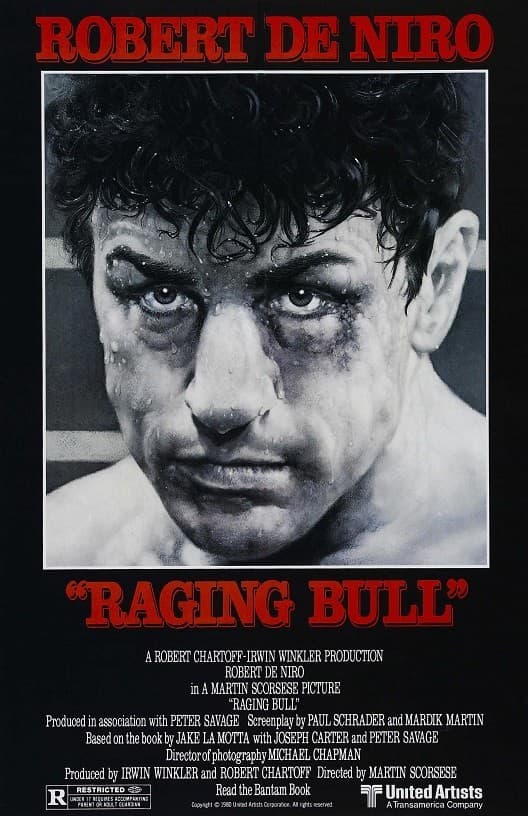
1980
Raging Bull
Raging Bull: family and courage, and why this 1980 movie still matters.
Read our take →
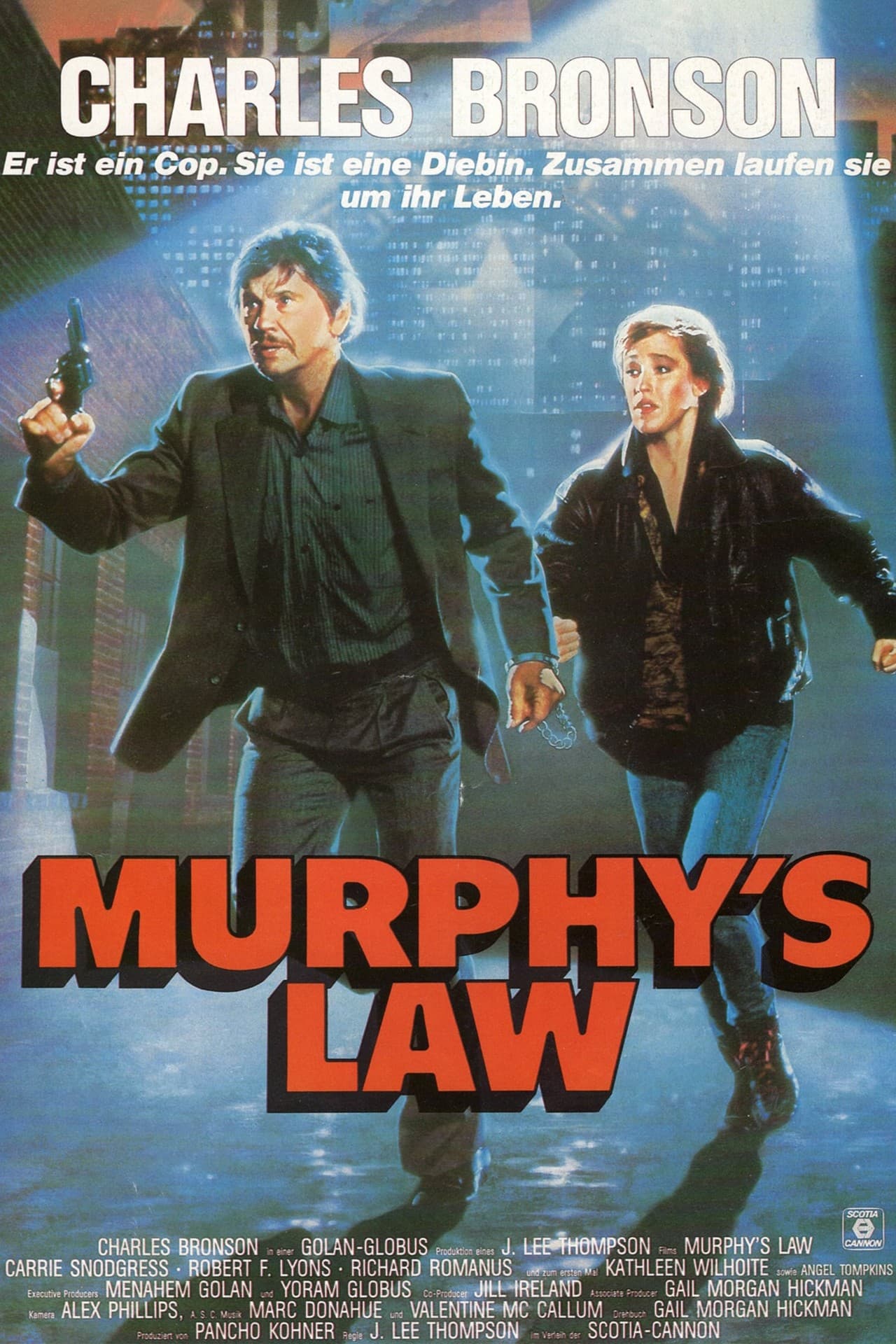
1986
Murphy's Law
Murphy's Law: parents protecting their children and mortality, and why this 1986 movie still matters.
Read our take →
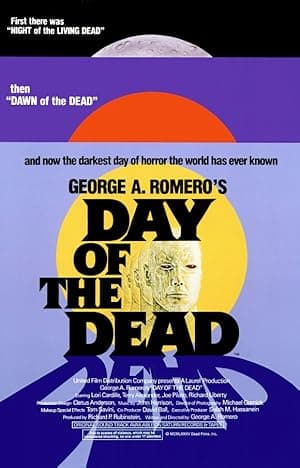
1985
Day of the Dead
A bunker drama with zombies, a scientist who won a festival, and a soldier who won't listen.
Read our take →