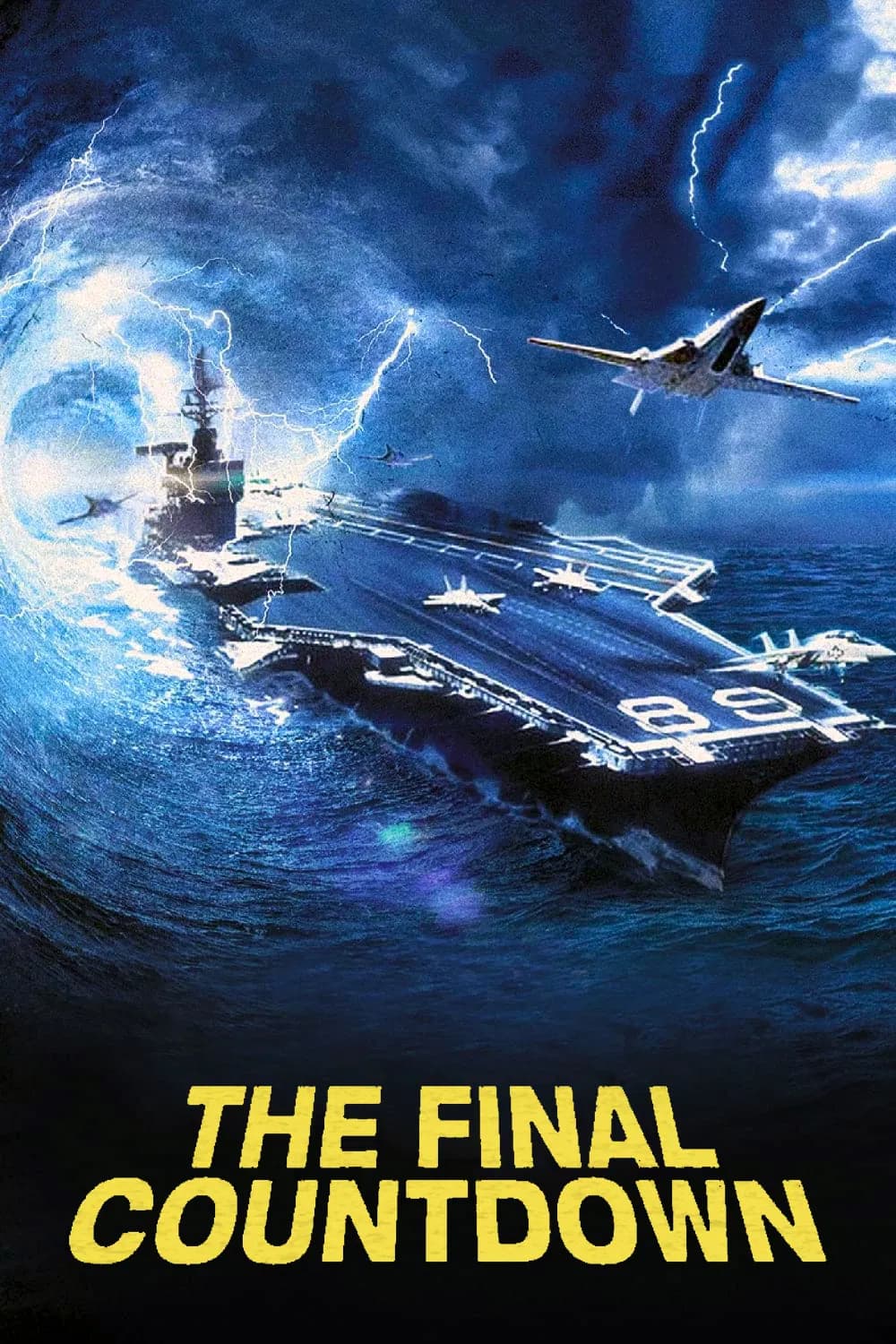
The Final Countdown
The Final Countdown: fear and isolation, and why this 1980 movie still matters.
The setup
The Final Countdown arrived in 1980, directed by Don Taylor. In 1980, the aircraft carrier departs Naval Station Pearl Harbor for naval exercises in the mid-Pacific Ocean. Decades later, it is worth looking at why the film still connects with audiences.
THE MOVIE
Captain Matthew Yelland, Commanding Officer, USS Nimitz. He was the father of the film's producer who also appears in the film. is still the reason this movie works
The Final Countdown was released in 1980 and directed by Don Taylor. Rather than simply retelling the plot, the film is worth revisiting for the characters, conflicts and ideas that give its story its identity.
Fear and Isolation emerge through what the characters face and the choices they make, giving the story more to explore beyond its immediate plot.
Captain Matthew Yelland, Commanding Officer, USS Nimitz. He was the father of the film's producer who also appears in the film., Warren Lasky, Systems Analyst with Tideman Industries and Laurel Scott do not begin the film seeing one another clearly, and watching those first impressions break down is a big part of why The Final Countdown still works.
THE SETUP
The idea that sets The Final Countdown in motion
In 1980, the aircraft carrier departs Naval Station Pearl Harbor for naval exercises in the mid-Pacific Ocean.
The ship takes on a civilian observer, Warren Lasky — a systems analyst for Tideman Industries working as an efficiency expert for the U.S. That detail matters because it shapes the way the characters initially see one another.
Department of Defense — on the orders of his reclusive employer, Mr. Tideman, whose secretive major defense contractor company designed and built the nuclear-powered warship. From there, the film can concentrate less on explaining the setup and more on what happens between the people inside it.
THE CHARACTER
Why Captain Matthew Yelland, Commanding Officer, USS Nimitz. He was the father of the film's producer who also appears in the film. matters
Kirk Douglas plays Captain Matthew Yelland, Commanding Officer, USS Nimitz. He was the father of the film's producer who also appears in the film.. Pacific Fleet Command at Pearl Harbor, Captain Yelland, commander of the aircraft carrier, fears there may have been a nuclear strike on Hawaii or the continental United States.
That pressure reveals more about Captain Matthew Yelland, Commanding Officer, USS Nimitz. than the surface-level role alone would suggest.
Chapman is outraged that Yelland hasn't told anyone about the impending Japanese attack, and rebuffs Yelland's claim that the Nimitz is capable of handling any attack. That tension is central to how Captain Matthew Yelland, Commanding Officer, USS Nimitz. works within the film.
UNDER THE SURFACE
The Final Countdown has more on its mind than the plot suggests
The Final Countdown has more on its mind than the basic setup suggests. fear sits close to the centre of the film, but it is explored through the characters rather than treated like a lesson.
isolation matters just as much. The film keeps challenging the assumptions its characters make about one another, which is where much of its emotional weight comes from.
PURE 80S
The Final Countdown could not belong to any other decade
The Final Countdown could hardly be separated from the decade that produced it. Released in 1980, it carries the attitudes, style and filmmaking rhythms of the 1980s without needing to announce them.
It also sits comfortably within the era's science fiction, war, mystery and time-travel filmmaking, even if the movie itself is more interesting than any single genre label suggests.
That is part of why it still appears in conversations about The Final Countdown 1980 and 1980s movies. The film has become tied not only to its own story but to the wider memory of what 1980s movies felt like.
WATCHING IT NOW
What has aged — and what hasn't
Watching The Final Countdown now means seeing both what has lasted and what unmistakably belongs to 1980.
What still works best is the human material. Ideas around fear and isolation have not stopped being relevant simply because the clothes, language and cultural references belong to another era.
Some moments inevitably land differently for a modern audience. Revisiting an older film properly means enjoying what still works without pretending every choice has aged equally well.
THE LEGACY
Why The Final Countdown still matters
A large part of that staying power comes from the characters. He was the father of the film's producer who also appears in the film., Warren Lasky, Systems Analyst with Tideman Industries and Laurel Scott are still useful shorthand for the personalities and pressures the film explores.
The Final Countdown has lasted because people continue to recognise something in it. Nostalgia helps, but nostalgia alone does not keep a movie in the conversation for decades.
THE VERDICT
Does The Final Countdown still hold up?
So, does The Final Countdown still hold up? Yes — although watching a film from 1980 honestly means accepting that not every moment will land exactly as it once did.
The film still has something recognisable to say about fear and isolation, and its characters stop those ideas from feeling abstract.
The Final Countdown remains worth revisiting because characters such as Captain Matthew Yelland, Commanding Officer, USS Nimitz. He was the father of the film's producer who also appears in the film., Warren Lasky, Systems Analyst with Tideman Industries, Laurel Scott, Commander Richard "Dick" Owens, Commander, Air Group of Carrier Air Wing 8, later appearing under the identity of Richard Tideman, head of Tideman Industries. and Commander Dan Thurman, Executive Officer, USS Nimitz still feel like people rather than labels once the film gets underneath the stereotypes.
Share this movie
Keep watching
More movies from the 80s
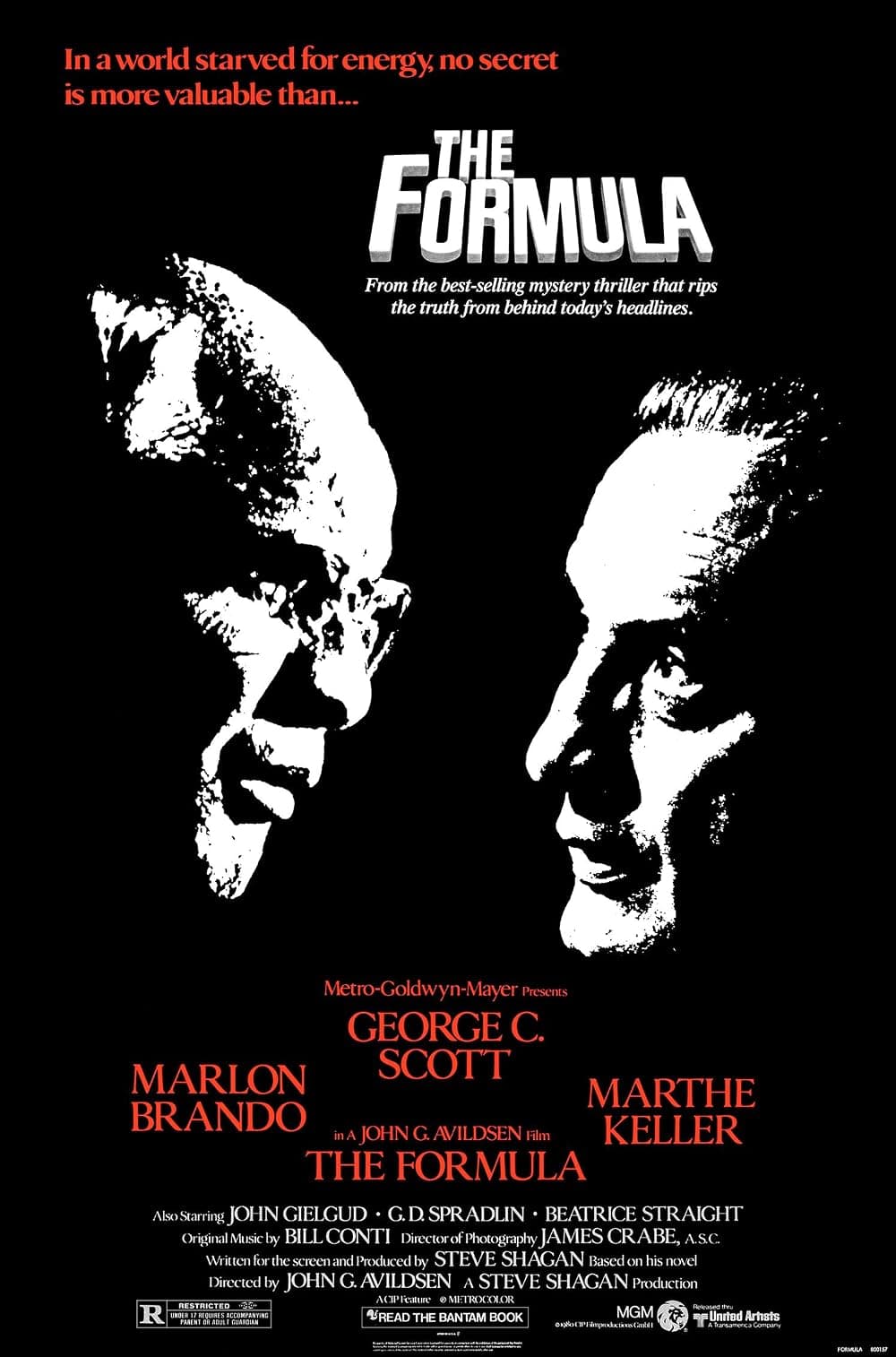
1980
The Formula
The Formula: corporate power and exploitation, and why this 1980 movie still matters.
Read our take →
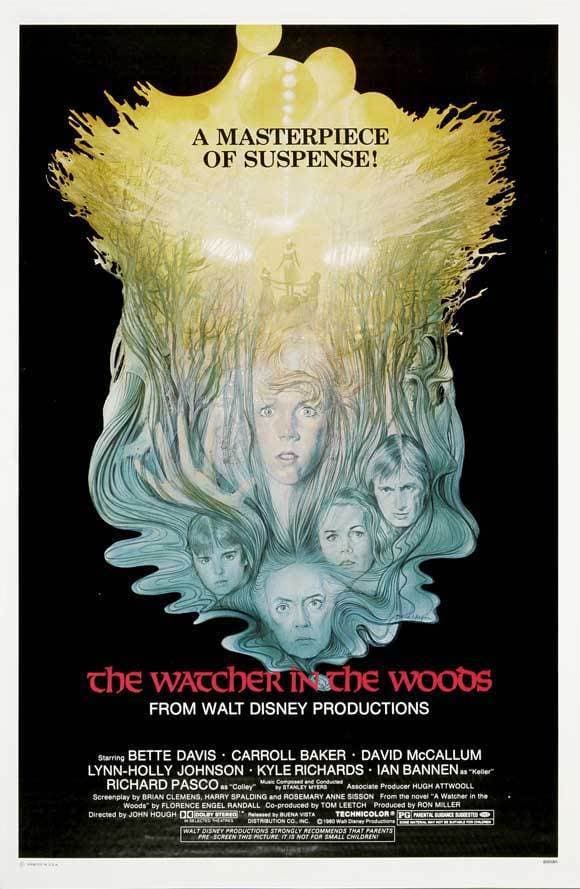
1980
The Watcher in the Woods
The Watcher in the Woods: family and parents protecting their children, and why this 1980 movie still matters.
Read our take →
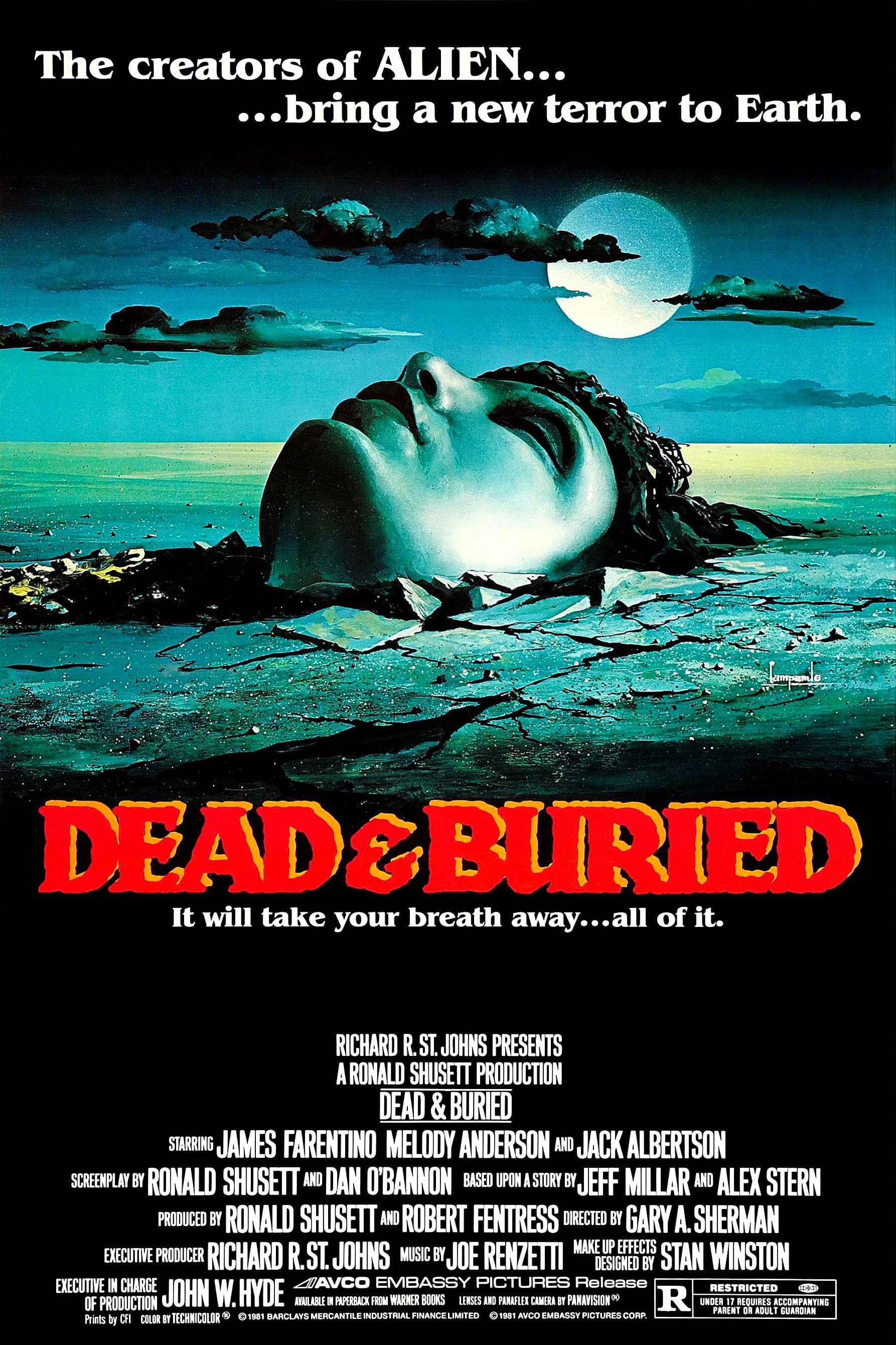
1981
Dead & Buried
Dead & Buried: mortality and fear, and why this 1981 movie still matters.
Read our take →