The setup
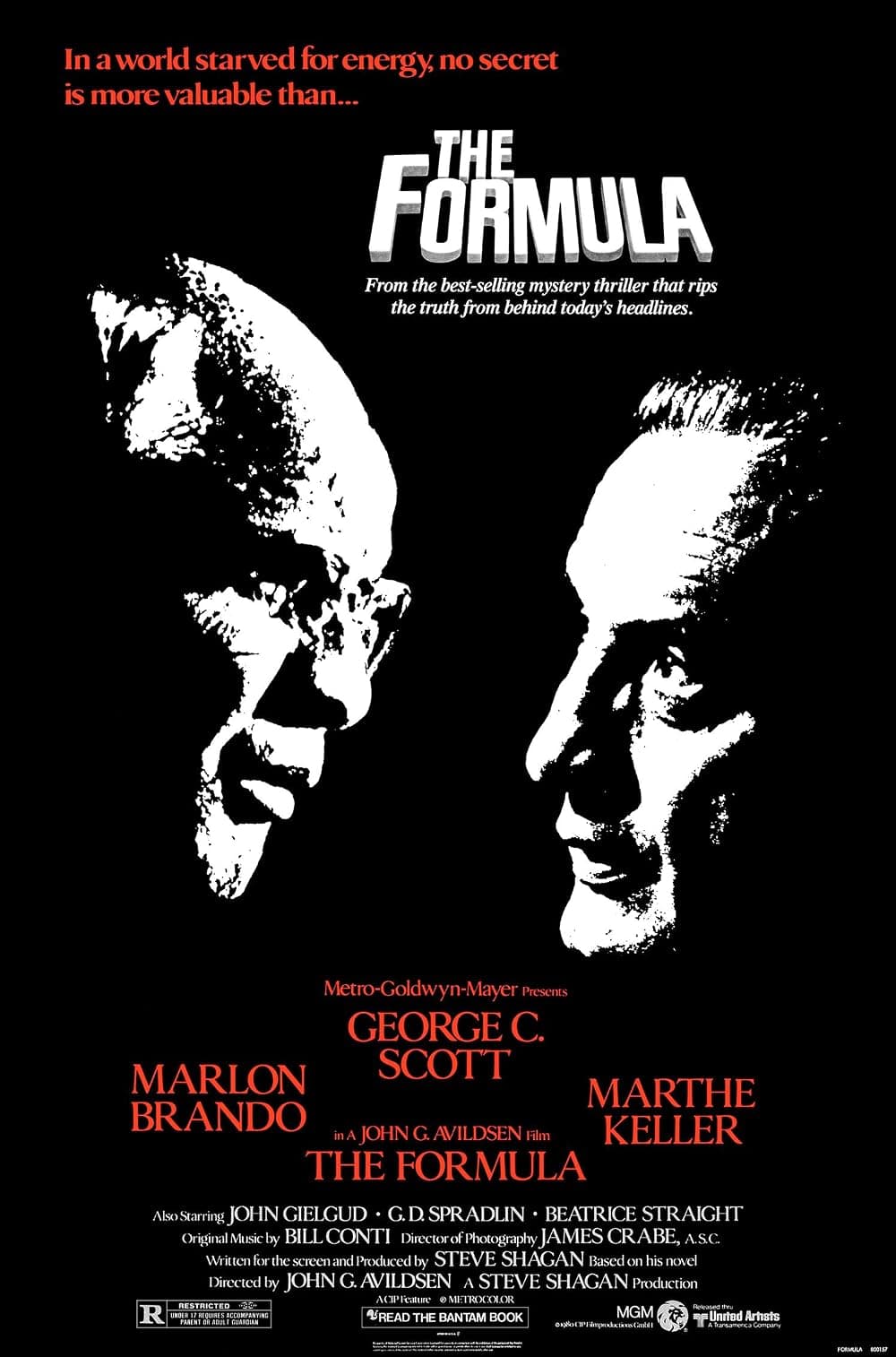
The Formula arrived in 1980, directed by John G. Avildsen. In the final days of World War II, Soviet forces close in on Berlin, and Panzer Korps General Helmut Kladen is sent with secret documents that could be used to negotiate with the Allies and save Germany from the Soviets. Decades later, it is worth looking at why the film still connects with audiences.
THE MOVIE
Adam Steiffel is still the reason this movie works
The Formula was released in 1980 and directed by John G. Avildsen. Rather than simply retelling the plot, the film is worth revisiting for the characters, conflicts and ideas that give its story its identity.
Corporate power and Exploitation emerge through what the characters face and the choices they make, giving the story more to explore beyond its immediate plot.
Adam Steiffel, Lieutenant Barney Caine and Lisa Spangler do not begin the film seeing one another clearly, and watching those first impressions break down is a big part of why The Formula still works.
THE SETUP
The idea that sets The Formula in motion
In the final days of World War II, Soviet forces close in on Berlin, and Panzer Korps General Helmut Kladen is sent with secret documents that could be used to negotiate with the Allies and save Germany from the Soviets.
However, he is intercepted by the U.S. That detail matters because it shapes the way the characters initially see one another.
Army and handed over to Army Intelligence. From there, the film can concentrate less on explaining the setup and more on what happens between the people inside it.
In contemporary Los Angeles, Lt.
Barney Caine is tasked with solving the murder of his former boss and friend, Tom Neeley, whose death appears to be tied to a drug deal gone wrong.
Upon investigating, Caine finds the word "Gene" written in Neeley’s blood and a map marked with the name "Obermann," which sets him on a trail of deception and intrigue.
When Caine discovers that Steiffel's company had sent Neeley overseas, he convinces his superior to let him travel to Germany to continue the investigation.
In Berlin, Caine meets Paul Obermann, who explains the importance of "Genesis"—a synthetic fuel formula developed by the Nazis that could potentially eliminate the world’s dependence on oil.
Caine uncovers that Neeley was murdered over the formula, but before he can learn more, Obermann is killed.
Caine is then joined by Obermann’s niece, Lisa Spangler, as they track down the remaining individuals connected to the formula, including Professor Siebold.
THE CHARACTER
Why Adam Steiffel matters
Marlon Brando plays Adam Steiffel. Caine learns that Neeley had connections to the wealthy businessman Adam Steiffel, who used him as a bagman for international deals.
Caine confronts the forces behind the conspiracy, learning that Steiffel had been orchestrating events to keep the formula secret for decades.
Caine returns to Los Angeles and meets with Steiffel, who has kidnapped Caine's partner, Louis Yosuta, and is holding him hostage in exchange for the formula.
UNDER THE SURFACE
The Formula has more on its mind than the plot suggests
The Formula has more on its mind than the basic setup suggests. corporate power sits close to the centre of the film, but it is explored through the characters rather than treated like a lesson.
exploitation matters just as much. The film keeps challenging the assumptions its characters make about one another, which is where much of its emotional weight comes from.
PURE 80S
The Formula could not belong to any other decade
The Formula could hardly be separated from the decade that produced it. Released in 1980, it carries the attitudes, style and filmmaking rhythms of the 1980s without needing to announce them.
It also sits comfortably within the era's crime, mystery, science fiction and political thriller filmmaking, even if the movie itself is more interesting than any single genre label suggests.
That is part of why it still appears in conversations about The Formula 1980 and 1980s movies. The film has become tied not only to its own story but to the wider memory of what 1980s movies felt like.
WATCHING IT NOW
What has aged — and what hasn't
Watching The Formula now means seeing both what has lasted and what unmistakably belongs to 1980.
What still works best is the human material. Ideas around corporate power and exploitation have not stopped being relevant simply because the clothes, language and cultural references belong to another era.
Some moments inevitably land differently for a modern audience. Revisiting an older film properly means enjoying what still works without pretending every choice has aged equally well.
THE LEGACY
Why The Formula still matters
A large part of that staying power comes from the characters. Adam Steiffel, Lieutenant Barney Caine and Lisa Spangler are still useful shorthand for the personalities and pressures the film explores.
The Formula has lasted because people continue to recognise something in it. Nostalgia helps, but nostalgia alone does not keep a movie in the conversation for decades.
THE VERDICT
Does The Formula still hold up?
So, does The Formula still hold up? Yes — although watching a film from 1980 honestly means accepting that not every moment will land exactly as it once did.
The film still has something recognisable to say about corporate power and exploitation, and its characters stop those ideas from feeling abstract.
The Formula remains worth revisiting because characters such as Adam Steiffel, Lieutenant Barney Caine, Lisa Spangler, Dr. Abraham Esau and Arthur Clements still feel like people rather than labels once the film gets underneath the stereotypes.
Share this movie
Keep watching
More movies from the 80s
1981
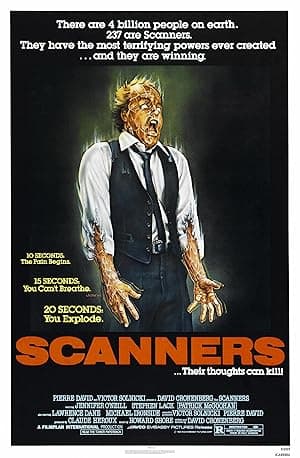
Scanners
Telepathy, corporate control and one of cinema’s most unforgettable practical stunts.
Read our take →
1982
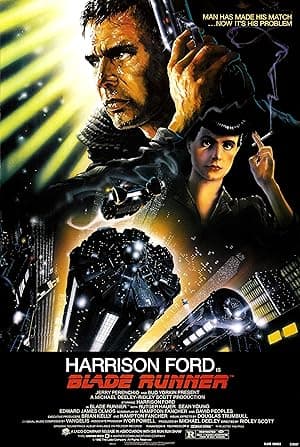
Blade Runner
Four engineered years, a handful of memories and a detective who isn’t sure he wants to do his job.
Read our take →

1982
The Thing
A frozen outpost, a dog, and a man who must choose who to trust — The Thing still knows how to make suspicion feel like a physical thing.
Read our take →